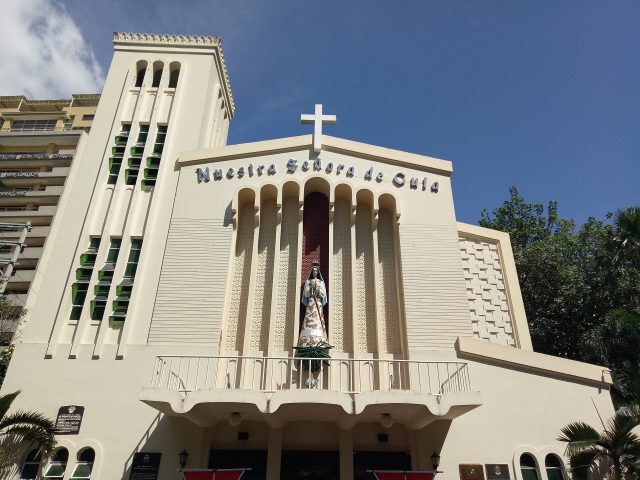
The Ermita Museum and Cultural Center is one of those quiet places in Manila where time seems to soften, as if the city’s relentless pace finally takes a breath. Tucked away in the Ermita district, it doesn’t announce itself with grand facades or neon signs. Instead, it waits behind an unassuming entrance, offering a refuge from the noise just beyond its doors. There are no crowds here, no hurried selfies or staged photo ops—just the quiet hum of history and art, unfolding at its own unhurried rhythm.
The building itself is part of the story. Constructed in the early 1900s, it has worn many lives: a private home, an office, and now, after careful restoration, a cultural space. Its architecture carries the weight of those years, blending colonial influences with local craftsmanship. High ceilings, wooden beams, and wide verandas let in a gentle, diffused light, creating an atmosphere that feels more like a scholar’s study or an artist’s studio than a traditional museum. The space doesn’t overwhelm; it invites you to linger, to notice the details—the way the floorboards creak underfoot, the faint scent of old wood, the way the afternoon sun slants through the windows.
The museum’s collection is small but thoughtfully curated, a mix of everyday objects, photographs, documents, and artworks that piece together the history of Ermita and, by extension, Manila. One room is devoted to the Spanish colonial era, where maps, engravings, and religious artifacts hint at the deep imprint left by centuries of foreign rule. Nearby, remnants of the American period—posters, postcards, household items—offer a quieter, almost domestic counterpoint to the upheavals of the 20th century. These objects don’t just sit behind glass; they feel like fragments of lives once lived, moments frozen in time.
A separate gallery showcases contemporary Filipino art, where local painters and sculptors explore the country’s social and personal landscapes. The works vary in style and medium, from bold canvases to delicate sketches, but together they create a dialogue between past and present. The museum also hosts temporary exhibitions, often focusing on themes like urban change, environmental concerns, or cultural identity. These shows are rarely flashy, but they feel honest, reflecting the center’s commitment to meaningful, rather than merely decorative, storytelling.
Beyond exhibitions, the cultural center pulses with life in other ways. Lectures, workshops, and intimate concerts fill the calendar, each event small in scale but rich in intention. There are poetry readings where the words seem to hang in the air, and music performances that feel more like private recitals than public shows. Locals come here not just for the programs but for the space itself—a place to sit with a book from the small library, to sip coffee in the ground-floor café, or simply to be still. The atmosphere is one of quiet hospitality, where the staff and visitors alike treat the space with a kind of reverence, as if it were a shared secret.
Ermita itself is a neighborhood of contradictions. Once a prestigious enclave for foreigners and wealthy Filipinos, it later became known for its nightlife and grittier edges. By day, though, the area reveals a different side: crumbling colonial facades, tree-lined streets, and the occasional street vendor selling snacks. The museum stands as a quiet counterpoint to this chaos, a reminder that even in a city as restless as Manila, there are pockets of calm. It doesn’t try to sanitize the neighborhood’s complexities; instead, it offers a space to reflect on them.
Visiting the Ermita Museum isn’t like ticking off a tourist attraction. There are no rigid rules here—no signs forbidding photography or touch—but there’s an unspoken understanding that this is a place to be experienced, not just observed. You might spend an hour poring over old photographs, trying to imagine what Manila looked like a century ago, or simply sit on the veranda, watching the light shift across the walls. The magic of the place lies in its restraint; it doesn’t demand your attention, but if you give it, it rewards you with something deeper than spectacle.
For those who want to see Manila beyond the usual postcard sights, the Ermita Museum is a good place to start. It won’t tell you everything about the Philippines, but it will give you a sense of the country’s rhythms—its layers, its contradictions, its quiet beauty. There are no grand declarations here, no manufactured drama, just the steady, unassuming presence of history, art, and the small, human stories that shape a nation. It’s the kind of place that stays with you long after you’ve left, not because it was loud or flashy, but because it felt real.