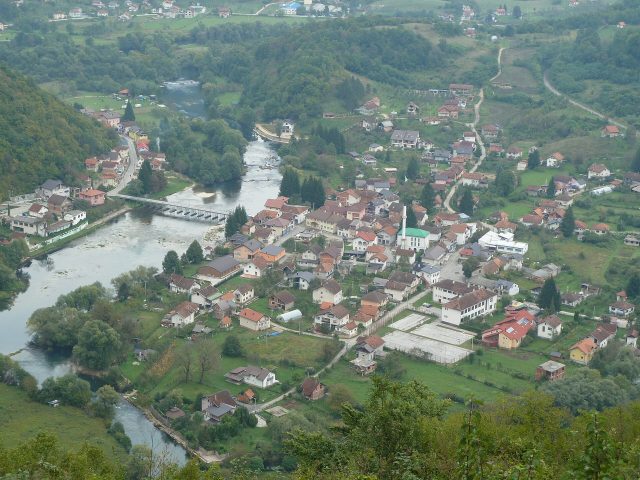
The Una River is one of those rare natural wonders that doesn’t demand attention—it simply exists, quietly captivating with its beauty. Flowing through the northwest of Bosnia and Herzegovina, it begins its journey in Croatia, where its springs emerge from the mountain slopes near the village of Donja Suvaja. The river crosses the border unhurriedly, as if unaware of it, and continues through Bihać, inviting travelers into a world where time slows and nature sets the pace.
What makes the Una special is its clarity. The water is so transparent that on shallow stretches, you can see every pebble, and in the depths, schools of fish drift lazily among the weeds. Its color shifts with the light—silver under the midday sun, emerald in the shade of overhanging trees, nearly black before a storm. Locals call it a chameleon river, and there’s truth in that. The most striking views appear within Una National Park, where dense forests line its banks and the current alternates between gentle flows and lively rapids, forming small waterfalls along the way.
The most famous of these is Štrbački Buk, a cascade system near Bihać where water tumbles several meters down, creating a misty veil and a deep roar that carries through the air. Moss-covered rocks frame the falls, and narrow paths lead to viewpoints where you can watch the play of light on the water. In summer, the pools at the base become a gathering spot for locals and visitors alike, offering a refreshing escape from the heat. The falls aren’t just a sight to behold—they’re a place to linger, to feel the cool spray on your skin, or to simply sit and listen to the river’s steady rhythm.
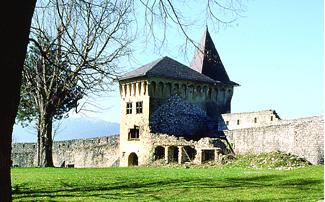
The Una isn’t just a natural marvel; it’s a river steeped in history. Its banks have been inhabited since ancient times, with archaeological finds near Bihać hinting at early settlements. During the Middle Ages, trade routes followed its course, and its waters powered mills and forges. Under Ottoman rule, the Una served as a natural border between Habsburg and Turkish territories, witnessing countless skirmishes. Ruins of old fortresses, like Ostrožac, still stand along its banks, silent reminders of a time when the river was more than just a waterway—it was a strategic frontier.
Today, the Una offers a retreat from the noise of modern life. There are no crowds, no flashy attractions, just the quiet hum of nature—the rustle of leaves, the murmur of water, the call of birds. It’s a place for unhurried walks along the shore, kayaking through gentle rapids, or fishing with a line cast into the current. In recent years, rafting has grown in popularity, particularly around Bihać, where the river’s playful rapids make for a peaceful yet engaging journey. It’s less about adrenaline and more about drifting with the current, taking in the scenery at the river’s own pace.
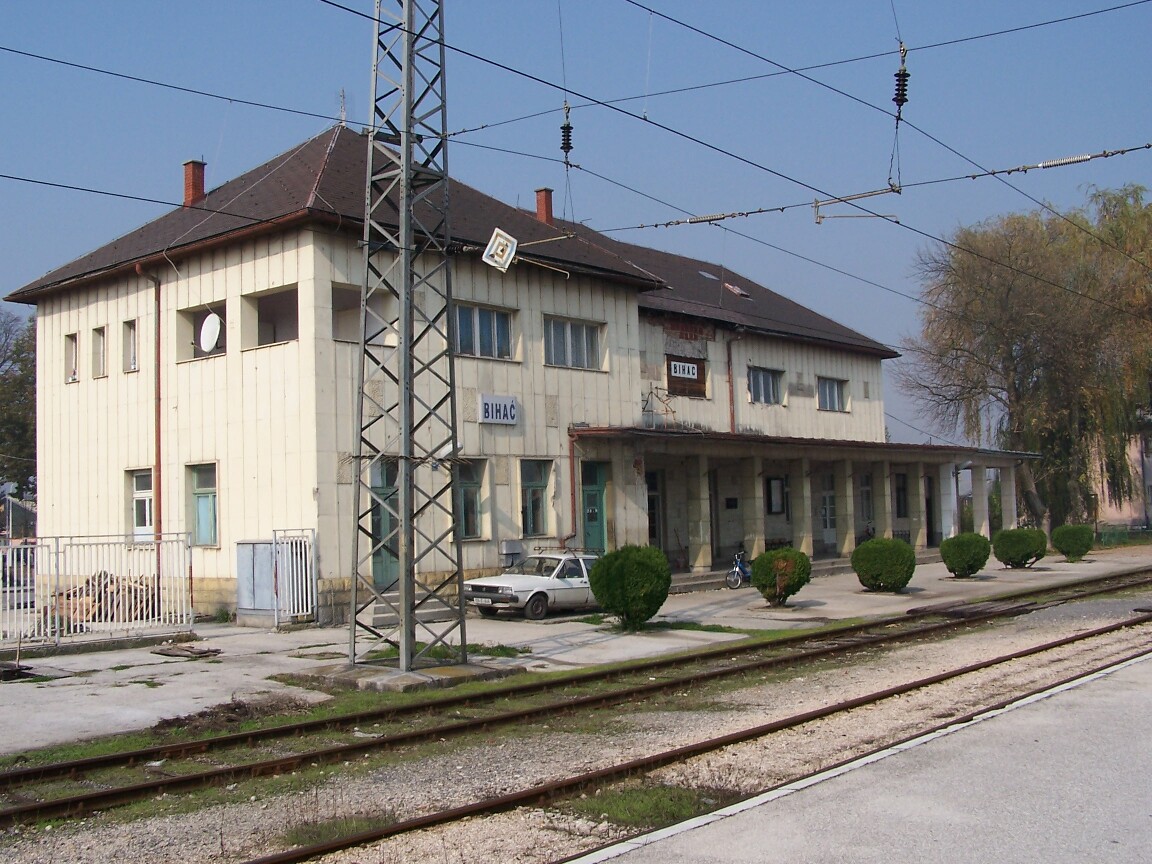
Bihać, the town the Una flows through, is deeply connected to the river. The city sprawls along its banks, and the Una’s presence is felt everywhere—in the parks, the promenades, even the street names. In summer, the riverside comes alive with locals and visitors enjoying coffee at open-air cafés or strolling across the old bridge that links the two halves of the town. Bihać itself is small, but it has a quiet charm, free from the hustle of larger tourist hubs. The river shapes the town’s rhythm, offering a sense of calm that lingers long after you’ve left.
The Una doesn’t ask for much from those who visit—just respect. It’s not as grand as the Danube or as dramatic as the Drina, but its understated beauty has its own appeal. You can sit by the water, listening to its flow and letting your thoughts wander, or set off on a journey upstream or down, discovering hidden corners along the way. Either way, the river leaves you with a lightness, as if it’s washed away the noise of everyday life, leaving only the quiet joy of being in nature.
For photographers, the Una is a gift. Every bend in the river, every waterfall, every sunset over the water feels like a scene from a postcard. Early mornings are especially magical, when mist hovers over the surface and the first light gilds the treetops. Evenings bring their own beauty, with the river reflecting the lights of Bihać and the air filled with the scent of pine and damp earth. Winter transforms the landscape too—the banks dusted with frost, the water taking on a steely hue, creating a mood of quiet melancholy.
The Una doesn’t need grand descriptions. It simply is, and that’s enough. In a world where so many places feel alike, the Una remains untamed, clear, and unpredictable. It’s not for those seeking excitement or luxury, but for those willing to slow down and find beauty in simplicity. Maybe that’s why it draws people in—not in crowds, but one by one, leaving each visitor with their own lasting impression.