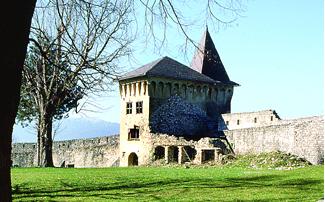
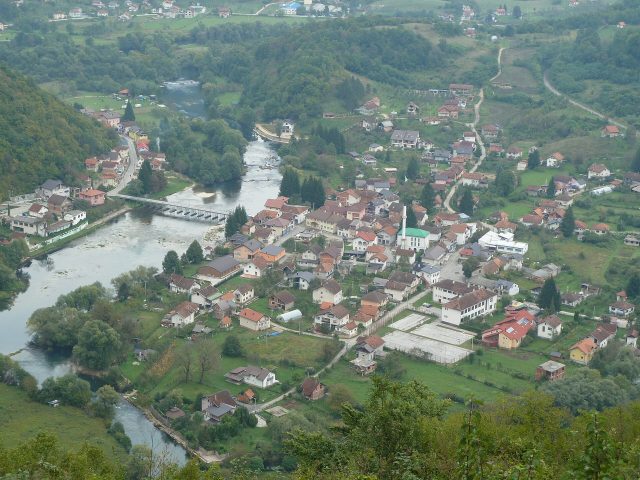
Perched on a hill above the Una River, just a short distance from Bihać, Ostrožac Fortress feels like a place where history lingers in the air. The ruins stand as a quiet witness to centuries of change, their weathered stones blending into the landscape rather than dominating it. From this vantage point, the view stretches across the river’s winding path, framed by dense forests and distant mountains. It’s easy to imagine how guards once scanned the horizon for approaching strangers or signals from the border, their vigilance shaping the fate of this corner of Bosnia and Herzegovina.
The exact origins of Ostrožac remain uncertain, lost in the layers of time. The first written records date back to the 15th century, when the region was under Ottoman rule, but some historians suggest the fortress may have existed even earlier. It could have been part of a defensive network established by local feudal lords or Hungarian rulers, though no definitive evidence confirms this. What is clear is that Ostrožac endured countless conflicts and passed through many hands—Ottoman, Austrian, and beyond. Each era left its mark, turning the fortress into a patchwork of architectural styles and purposes.
The structure itself tells the story of these transitions. The oldest sections reflect Ottoman military design: thick stone walls, narrow arrow slits in the towers, and a central courtyard with a well. When the Austro-Hungarian Empire took control in the 19th century, they reinforced the fortress with broader passageways, sturdier gates, and brickwork that still peeks through in places. Inside, the remnants of living quarters, storage rooms, and barracks hint at daily life within these walls, though much of the interior has crumbled or been reclaimed by nature.
Today, Ostrožac stands as a picturesque ruin, its charm lying in its untouched state. Unlike heavily restored tourist sites, this fortress hasn’t been polished or sanitized. Moss clings to the stones, trees grow through cracks in the masonry, and the wind whispers through the empty windows. There’s a sense of timelessness here, as if the place has simply paused, waiting for history to resume. It’s not a museum piece but a living fragment of the past, rough around the edges and all the more compelling for it.
Reaching the fortress involves a short but steep climb from the base of the hill. The path winds through the trees, and on a hot day, the ascent can feel like a small adventure. Yet the reward is worth it: from the top, the panorama unfolds in all directions—the Una River curling below, the rolling hills stretching into the distance, and on clear days, the faint outline of mountains on the horizon. In summer, the air is still, broken only by the occasional murmur of visitors or the rustle of leaves. Winter transforms the scene, coating the walls in frost and lending the ruins an even more imposing presence.
Ostrožac isn’t a major tourist attraction, and that’s part of its appeal. There are no crowds, no souvenir stalls, no guided tours pressing you to hurry along. The fortress is open and unguarded, inviting you to explore at your own pace. You can wander through the towers, sit on the ancient stones, and let your imagination fill in the gaps of what life might have been like here centuries ago. It’s a place where history feels tangible, not just something read in a book but something experienced firsthand.
For locals, Ostrožac is more than just an old ruin—it’s a piece of their heritage. Villagers in the surrounding area still share stories about the fortress, recounting battles fought within its walls and the people who defended it. Some families remember when their ancestors helped restore parts of the structure during the Yugoslav era, when Bosnia was part of a larger federation. Today, school groups visit the site, learning about their country’s past in a way that textbooks can’t capture. The fortress has become a bridge between generations, a place where history isn’t just remembered but felt.
If you’re visiting Bihać, setting aside time for Ostrožac is well worth it. The best times to go are early morning or late afternoon, when the light is soft and the heat less intense. Don’t expect a pristine, manicured site—this is history in its raw form, a little wild and deeply atmospheric. It’s a place for those who prefer their stories told through the texture of stone and the silence of empty courtyards, where every crumbling wall has something to say if you’re willing to listen.