The Luwegu River winds quietly through the eastern foothills of Kilimanjaro, cutting across the Same District in northern Tanzania. It’s not the kind of place you’ll find in glossy travel magazines or nature documentaries—no towering waterfalls, no crocodiles lurking in the shallows. The Luwegu moves at its own unhurried pace, and that’s precisely what makes it special. Here, you can experience Tanzania without the usual tourist trappings: no safari jeeps, no queues for the mountain summit, no crowded beaches in Zanzibar. Just the river, the land, and the quiet rhythm of life that has flowed along its banks for generations.
The riverbanks are lined with dense thickets of acacia and mimosa, their branches dipping low over the water in places. During the rainy season, the Luwegu swells into a wide, muddy ribbon, but for most of the year, it remains shallow and clear, its stony bed visible beneath the surface. Locals come here to wash clothes, bathe their livestock, or simply rest in the shade of the trees. The water stays cool even in the hottest months, offering a natural refuge in this otherwise arid landscape.
For the Pare people, who have lived along the Luwegu for centuries, the river is more than just a water source—it’s woven into their myths and traditions. Stories passed down through generations tell of how the river has shifted its course over time, swallowing old villages or revealing new fertile land. Colonial history barely touched these parts; there were no forts or plantations built here, and the river has remained a place where time moves to its own beat.
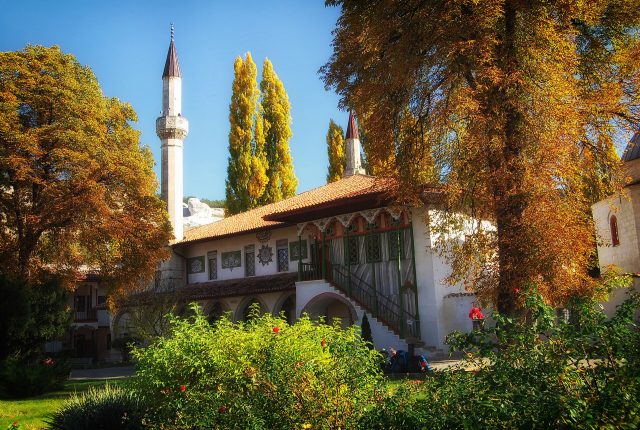
There’s no grand architecture along the Luwegu—no bridges, no promenades, no stone docks. The only structures you’ll find are simple wooden footbridges spanning narrow channels or the thatched huts of fishermen, woven from branches and grass. When the rains come, some of these huts are swept away, but they’re quickly rebuilt. The water is clean, though not always crystal clear—after heavy rains, it turns a murky brown from the clay washed down from the hills. Even then, it’s safe to drink if boiled.
The Luwegu isn’t part of any standard tourist itinerary, and that’s its greatest appeal. There are no guides hawking tours, no souvenir stalls, no cafes with menus in five languages. If you find yourself on its banks, you’ll likely be the only outsider around. The locals will regard you with quiet curiosity, but they won’t bother you—they’re used to the occasional traveler looking for something beyond the usual attractions.
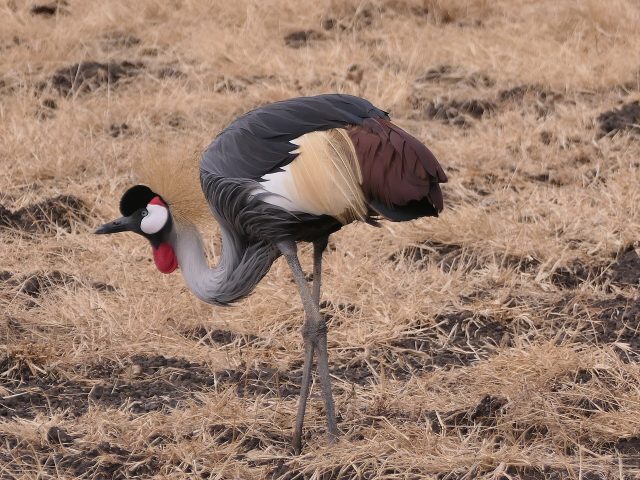
Wildlife here is modest compared to Tanzania’s famous national parks, but it’s still present. In the mornings, you might spot impalas grazing along the shore, while vervet monkeys chatter in the trees. Warthogs and buffalo sometimes leave their tracks in the mud, coming to drink at dawn or dusk. Birds are everywhere—kingfishers darting over the water, marabou storks wading in the shallows, their long legs stirring up the silt. At night, the calls of hyenas and jackals drift across the river, though the animals themselves usually stay hidden in the dark.
If you want to spend time here, the best option is to stay in one of the nearby villages. In Same or the surrounding settlements, you can find basic guesthouses offering simple meals: ugali, the staple cornmeal porridge; mchadi, fried plantains; or fresh fish caught from the Luwegu itself. There are no luxury lodges with air conditioning, but you won’t miss them under the vast, star-filled sky that stretches overhead.
The river changes with the seasons. In the dry months, from June to October, it narrows, and the water runs clearer, revealing schools of fish near the shore or turtles basking on the rocks. During the rainy season, from March to May, the Luwegu becomes a swift, powerful current, dangerous to cross. But this is also when the banks burst into green, the air thick with the scent of damp earth and blooming plants.
The Luwegu isn’t a place for thrill-seekers or those chasing dramatic experiences. There are no white-water rafting trips, no boat safaris, no trophy fishing. But if you want to see Tanzania as it was before mass tourism—unhurried, unpolished, living by its own rules—then this river is as good a place as any. It asks for nothing but your time and the willingness to sit quietly, listening to the water and watching the sun dip behind the hills.