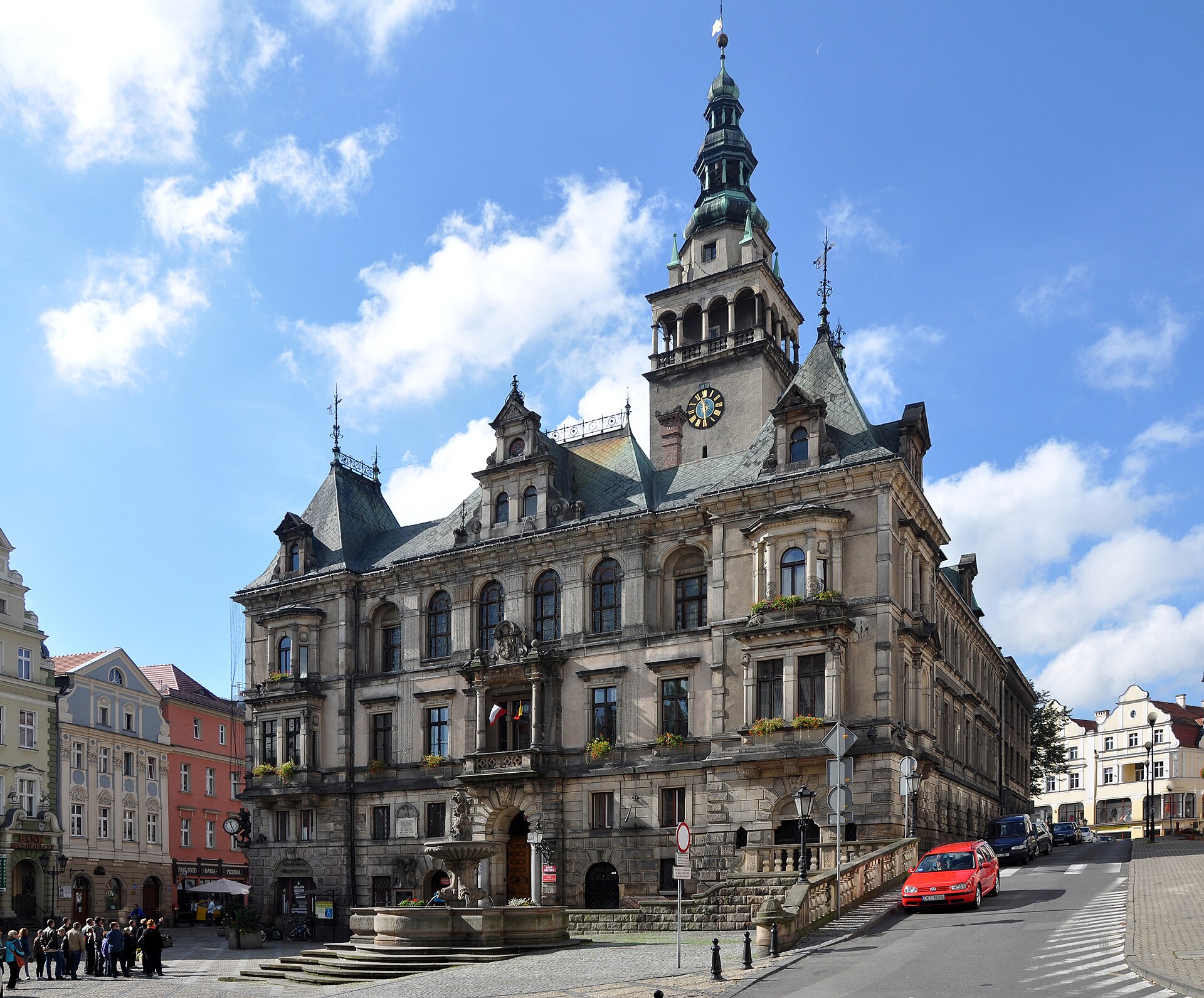
The town hall in Kłodzko is one of those buildings that seem frozen in time, preserving within its walls not just the history of the city but the spirit of an entire era. Standing on the Market Square, it was once the bustling heart of a medieval trading hub, where merchants struck deals and city officials made decisions that shaped the fate of the town. Though its role has long since changed—no longer a place of commerce or governance—it remains a focal point of Kłodzko, drawing the eye with its distinctive architecture and the quiet weight of centuries past.
Built in the 16th century, the town hall is a striking example of Renaissance style, which arrived in Silesia from Italy and took on its own character here. The facade is adorned with decorative elements typical of the period—pilasters, arches, and intricate stucco work that lend it an air of elegance. The most prominent feature is the clock tower rising above the square, a structure that once served both a practical purpose—keeping time for the townspeople—and a symbolic one, representing the city’s self-governance. In the Middle Ages, such towers were a mark of privilege granted by monarchs, and Kłodzko wore this badge with pride.
The history of the town hall is deeply intertwined with that of Kłodzko itself, a city that has long stood at the crossroads of Central Europe. Positioned between Bohemia, Germany, and Poland, it was a strategic and commercial hub, and this legacy is reflected in its architecture. The town hall has weathered fires, wars, and shifting borders, each era leaving its mark. After a devastating fire in the 18th century, it was rebuilt in the Baroque style, only to be later restored to its original Renaissance appearance. Today, the building is a patchwork of influences, a physical record of the different periods it has endured.
Inside, some of the historical interiors have survived, though most of the space now serves modern administrative functions. Occasionally, guided tours offer a glimpse into the past, particularly in the former council chamber, where the walls are lined with coats of arms and portraits of notable citizens—a reminder of those who once shaped the city’s destiny. The cellars, according to local legend, once housed the town’s dungeons, though now only the heavy vaults and stone walls hint at their darker history.
The town hall is more than just an architectural monument; it’s a living testament to the changes Kłodzko has undergone. The city has been at the center of countless historical upheavals—wars, shifting borders, and cultural transformations. Over the centuries, it has belonged to Bohemia, Austria, Prussia, and Germany, only becoming part of Poland after World War II. These shifts are visible in the town hall’s design, where different styles and traditions blend seamlessly.
For locals and visitors alike, the town hall remains a natural gathering place. The Market Square is where people meet, stroll, and soak in the atmosphere of the old town. In warmer months, the steps of the town hall become a spot for relaxation, while nearby cafes and small shops offer a chance to linger over coffee or pick up a souvenir. The square often hosts festivals and fairs, briefly reclaiming its original role as a center of community life.
Those with an interest in history will find the town hall in Kłodzko a rewarding discovery. It offers a tangible connection to the city’s past, a way to trace how Kłodzko has evolved over the centuries. Unlike grander monuments in major capitals, it carries a sense of authenticity, the quiet charm of a provincial town that has preserved its identity despite the upheavals of history. Walking through the Market Square, it’s easy to imagine the sounds of merchants haggling, the clatter of hooves on cobblestones, and the tower standing sentinel over it all—a reminder that Kłodzko has always been a place where paths and destinies intersect.
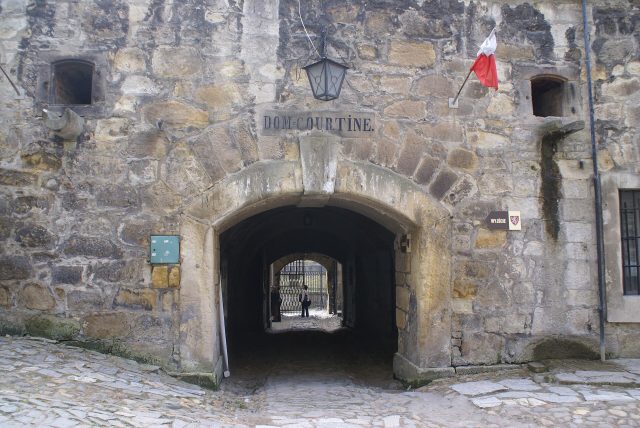
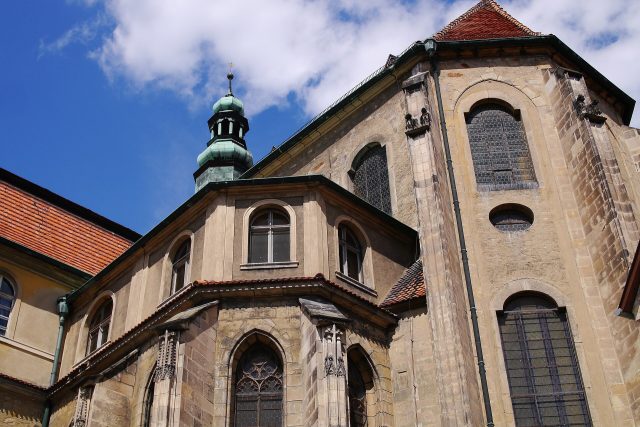
In recent years, the town hall has become a key stop on tourist routes through Silesia, and it’s not hard to see why. It fits naturally into the city’s landscape, surrounded by other historic buildings—a Gothic church, old houses with steeply pitched roofs, and the remnants of the fortress walls that once encircled the center. Together, they create a cohesive picture of a bygone era. Kłodzko doesn’t try to be a trendy tourist hotspot, and that’s part of its appeal. Here, you can wander through narrow streets, peek into quiet courtyards, and feel as though you’ve stepped into a story that’s still unfolding.