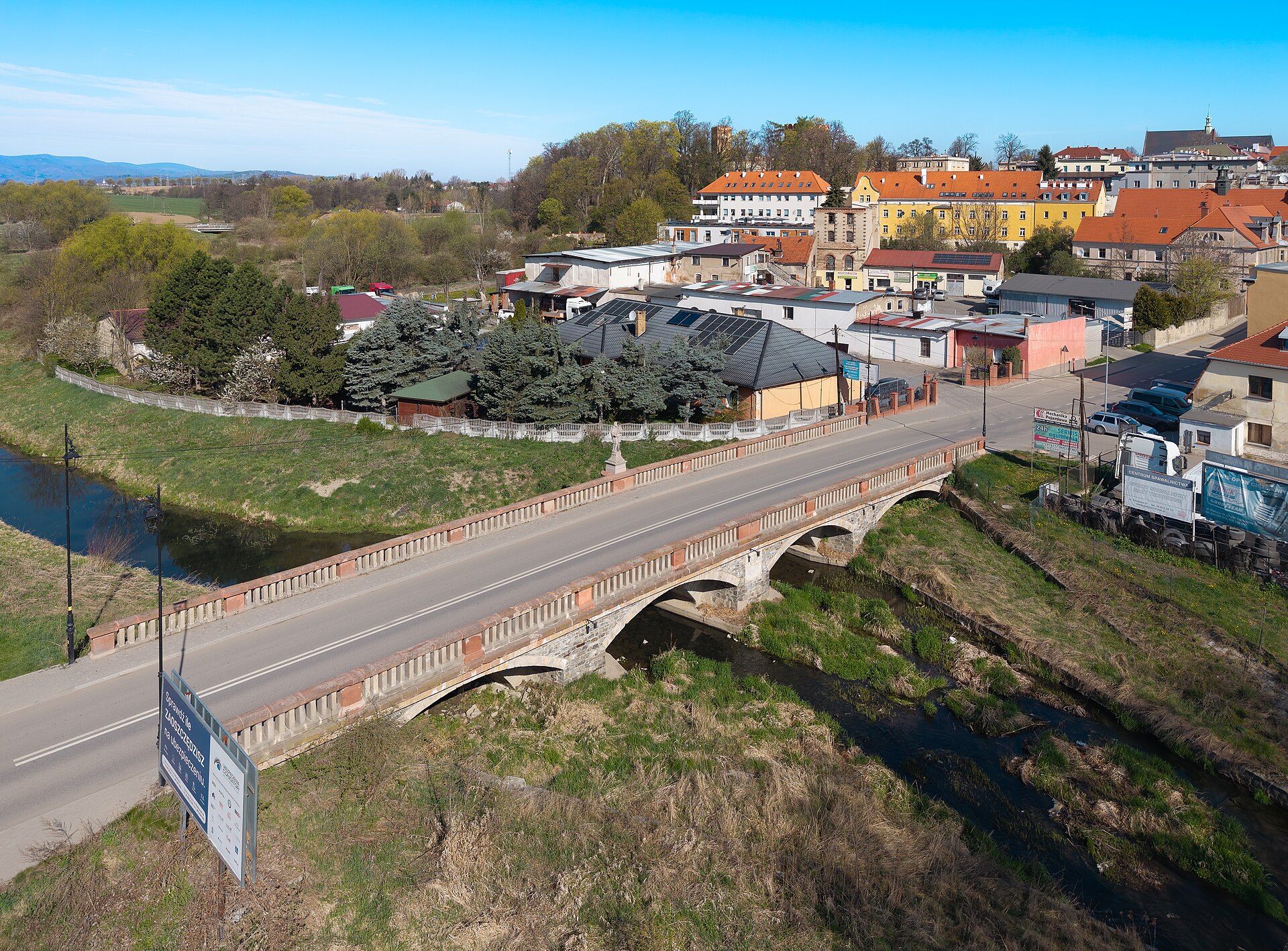
Saint John’s Bridge in Kłodzko is one of those rare places that feels untouched by the rush of modern life. Standing on its weathered stones, you can almost hear the echoes of the past—the clatter of hooves on cobblestones, the murmur of merchants haggling over goods, the distant toll of church bells. Built in the 14th century, the bridge was originally part of the town’s fortifications, a sturdy link in the chain of defenses that once shielded Kłodzko from invaders. Today, it remains a quiet witness to centuries of history, a place where the present gently brushes against the past.
The bridge’s architecture is deceptively simple, its beauty lying in the harmony of its proportions. Massive stone piers rise from the river below, their arches forming a graceful curve that has endured for over six hundred years. At its center, a small chapel dedicated to Saint John of Nepomuk stands as a humble guardian. The saint, patron of bridges and travelers, is honored here in a way that feels both intimate and unassuming. The chapel’s modest design—just a few arched windows and a simple cross—reflects the medieval belief that faith was woven into the fabric of everyday life, not set apart from it.
Kłodzko has always been a borderland town, perched between Poland and the Czech Republic, and Saint John’s Bridge played a crucial role in its story. In the Middle Ages, it carried the weight of trade routes connecting Silesia to Bohemia, a lifeline for merchants, pilgrims, and soldiers passing through. The bridge saw armies march across its stones, witnessed the rise and fall of empires, and survived floods and fires that reshaped the town around it. Now, the only sounds are the rustle of leaves and the soft rush of the Młynówka River beneath its arches, but the sense of history lingers in the air.
Like many old bridges, this one is steeped in legend. One tale tells of an enemy siege where a sudden fog descended, shrouding the bridge and sparing the town from destruction. Another speaks of hidden treasures buried beneath its foundations, lost to time and never recovered. Whether these stories hold any truth hardly matters—they add a layer of mystery to the place, inviting visitors to imagine the secrets it might still keep. After all, every old bridge carries more than just the weight of its stones; it carries the weight of the stories told about it.
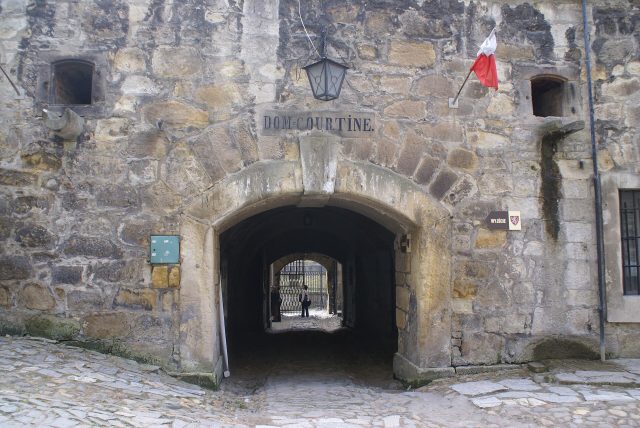
From the bridge, the view of Kłodzko is like a living postcard of Central Europe. The town unfolds in layers: red-tiled roofs of centuries-old houses, the imposing silhouette of the fortress looming above, and beyond it, the rolling green hills that mark the borderlands. The best time to stand here is at dusk, when the setting sun bathes the bridge in golden light, stretching shadows across the cobblestones. In that moment, the years seem to peel away, and the town feels suspended between past and present.
Despite its age, Saint John’s Bridge is far from a relic. It remains a functional part of Kłodzko’s daily life, used by locals hurrying to work or stopping to chat with neighbors. Tourists pause to take photos, fishermen cast their lines into the river below, and in winter, the bridge wears a delicate frost, turning it into something out of a fairy tale. Unlike grander monuments, it hasn’t been turned into a museum piece—it’s still just a bridge, doing what bridges have always done: connecting people, places, and moments in time.
For those who care about history, the bridge offers more than just a pretty view. It’s a tangible link to Kłodzko’s past, a place where the town’s strategic importance, its struggles, and its resilience are etched into every stone. Look closely, and you might spot the faint outlines of old repairs, the cracks where time has left its mark, or even the ghost of an inscription long worn away. Each detail tells a story, whether it’s of a medieval stonemason’s craftsmanship or the hands that patched it up after a flood.
Kłodzko itself is a town that moves at its own unhurried pace, and Saint John’s Bridge fits perfectly into that rhythm. It doesn’t draw crowds like Kraków’s Wawel Castle or Wrocław’s Market Square, and that’s part of its charm. Here, you can experience the quiet soul of old Europe without the distractions of tourist traps or souvenir stands. Just walk across its stones, run your fingers along the worn railings, and let your mind wander to the countless others who have done the same over the centuries. That’s the real magic of the place—not in grand gestures, but in the quiet persistence of history, waiting to be noticed by those who take the time to look.