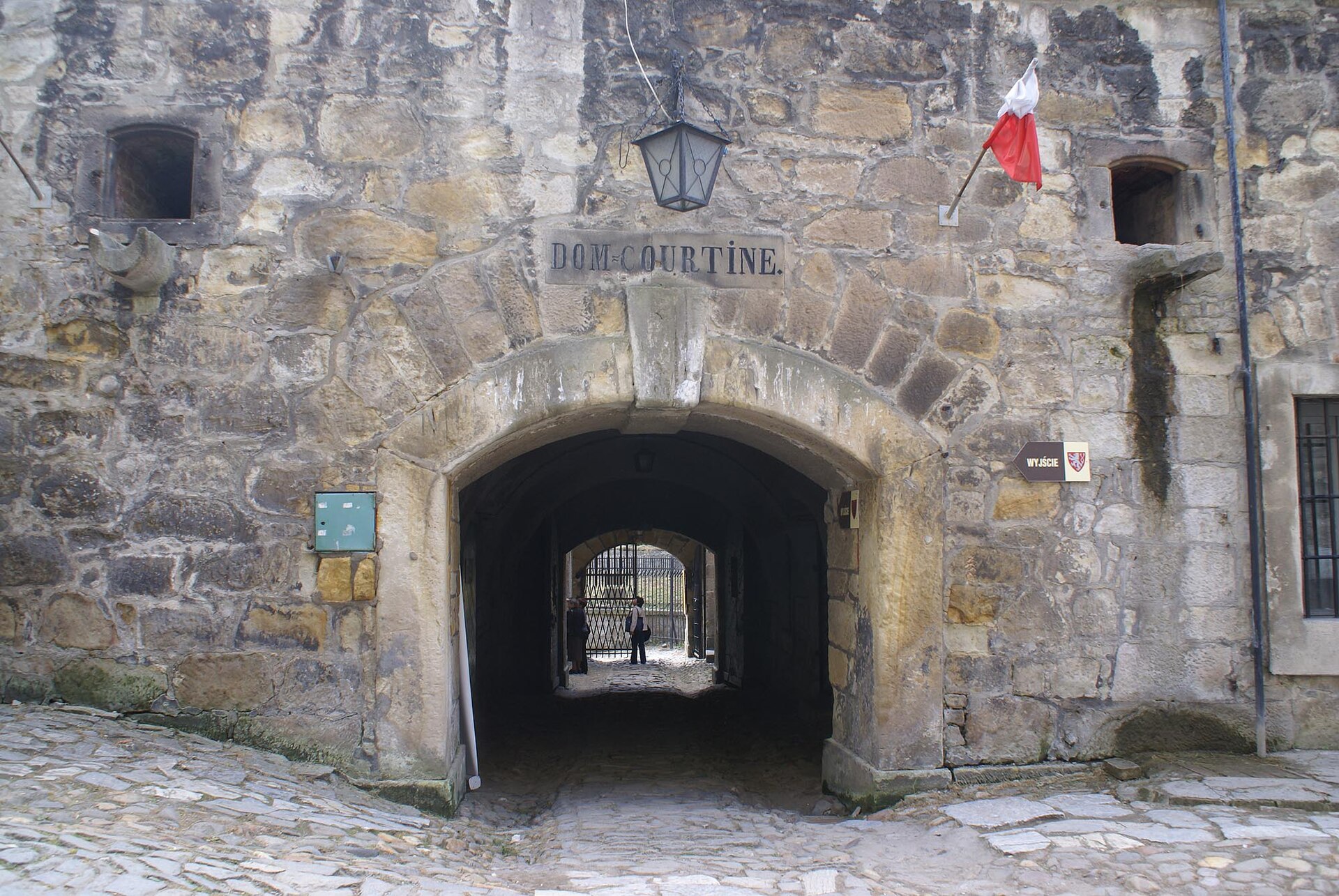
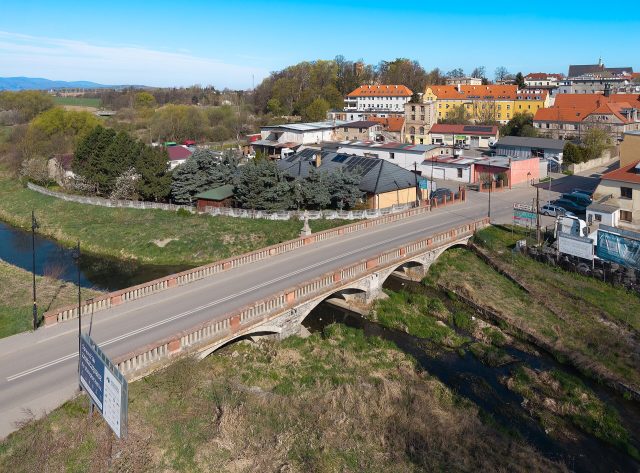
Kłodzko Fortress stands on a hill above the town, a silent witness to centuries of shifting borders and forgotten battles. From its heights, the Nysa Kłodzka River winds through the valley below, its banks now lined with quiet streets and red-roofed houses that once lay within range of the fortress guns. The walls here have seen empires rise and fall—Bohemian kings, Habsburg emperors, Prussian generals—each leaving their mark on the stone, each believing this place was worth fighting for.
The first fortifications appeared in the Middle Ages, when Kłodzko was part of the Bohemian Crown. Back then, it was little more than a wooden palisade guarding a river crossing, a strategic point on trade routes connecting Central Europe. But the fortress as we know it today took shape in the 17th century, when the Habsburgs transformed it into a state-of-the-art stronghold. Austrian engineers reinforced the walls, added bastions and ravelins, and dug an intricate network of underground tunnels—all designed to withstand prolonged sieges. The result was a masterpiece of military engineering, built to last.
By the 18th century, the fortress had changed hands again, this time falling under Prussian control after the Silesian Wars. The Prussians expanded it further, adding new defensive works and deepening the underground passages. For a time, it was one of the most formidable fortresses in Central Europe, a key piece in the region’s military chessboard. But as warfare evolved, so did its purpose. By the 19th century, it was no longer a frontline stronghold but still served as a prison, a storage depot, and later, a barracks. During World War II, German troops occupied the fortress, though by then its strategic value had long faded.
Today, the fortress is a place where history feels tangible. Walking along its ramparts, you can almost hear the echoes of soldiers’ boots on stone, the distant rumble of cannon fire, the whispered orders of commanders planning their next move. The underground tunnels, stretching for kilometers beneath the hill, are especially atmospheric—cool, dimly lit, and eerily quiet. Some sections are open to visitors, offering a glimpse into the fortress’s hidden world, where troops once moved unseen and supplies were stored in secret.
Local legends add another layer to the fortress’s mystique. One story tells of a hidden passage connecting the stronghold to the town below, a lifeline for defenders during sieges. Whether true or not, the tunnels themselves are real, their labyrinthine paths carved by hand over centuries. In their time, they were vital for moving men and supplies, launching surprise attacks, or simply surviving a prolonged blockade. Now, they’re a reminder of how much effort went into building—and defending—this place.
The fortress isn’t just about war, though. Over time, it became something more: a monument to resilience, a symbol of how history shapes a landscape. In the 20th century, as Europe began to preserve its military heritage, Kłodzko Fortress was partially restored and opened to the public. Today, it hosts exhibitions, guided tours, and even historical reenactments, giving visitors a sense of what life was like within these walls. The underground tours are particularly popular, offering a chance to see preserved fortifications and imagine the soldiers who once patrolled them.
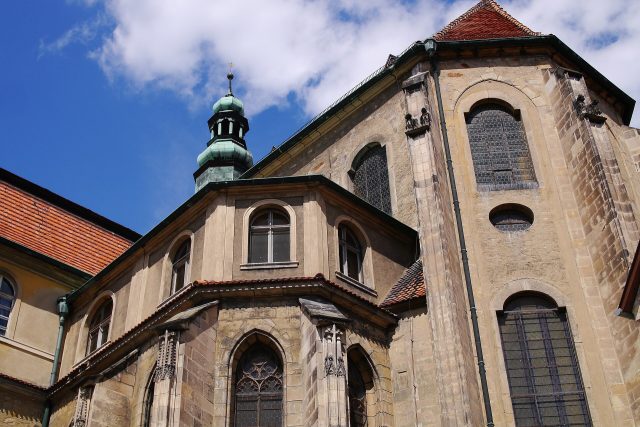
From the fortress’s heights, the view over Kłodzko is striking. The town sprawls below, its narrow streets and old buildings looking almost unchanged from centuries ago. The Gothic church spire, the arched bridge over the Nysa, the clusters of houses with their steep roofs—it’s a scene that could have been painted in the 18th century. On clear days, the horizon stretches far, and the air feels lighter up here, as if time moves differently than it does in the town below.
The fortress also blends seamlessly into the landscape. The hill it sits on is covered in grass and trees, and from certain angles, the stone walls look like a natural extension of the rock. In summer, the slopes are dotted with wildflowers; in autumn, the leaves turn gold and red against the gray stone. It’s a place where history and nature coexist, where you can sit on a bench and watch the sunset over the valley, or wander the paths that soldiers once marched.
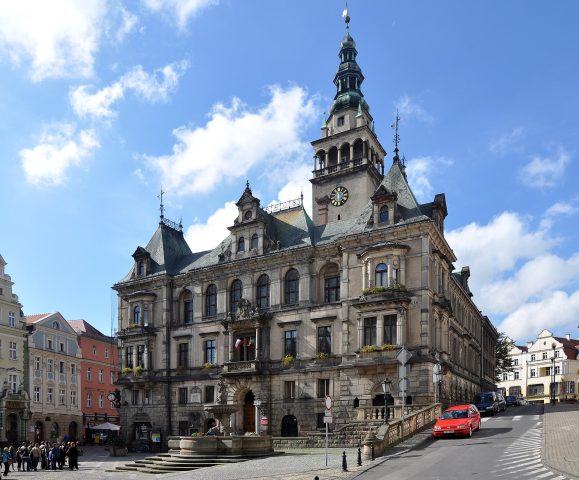
Kłodzko itself is a town shaped by its fortress. The two are inseparable—one wouldn’t exist without the other. The town’s layout, its old buildings, even its character, all bear the imprint of centuries spent in the shadow of the hill. The fortress gives Kłodzko its identity, setting it apart from other Polish towns. It’s a reminder that this was once a borderland, a place where cultures and histories collided. Even now, long after the wars have ended, the fortress stands as a testament to endurance, a silent guardian over a town that has seen more than its share of change.