Húsavík’s harbor isn’t just a place where fishing boats and cargo ships dock. It’s the heart of a small northern town that has long embodied the rhythm of Icelandic coastal life. Here, at the edge of Skjálfandi Bay, the sea and land meet so seamlessly that it feels as though the water has always been part of the landscape. The houses lining the waterfront face the bay with their windows, their facades painted in shades of red, blue, and green, giving the harbor a warm, almost storybook charm. There are no skyscrapers or city bustle in Húsavík—just the quiet pulse of a place where time moves to the ebb and flow of the tides.
The harbor’s history is woven into the town’s own story. The first settlers arrived in the 9th century, when the Norwegian Viking Garðar Svavarsson, one of Iceland’s early explorers, spent a winter on these shores. Later, during the golden age of fishing, the harbor became a vital hub for the region. Boats set out in search of cod and herring, returning not just with their catch but with news from across the country. Today, the harbor remains a working port—trawlers, cargo ships, and even small cruise liners still dock here, bringing visitors who come to see the northern lights or the whales that frequent the bay.
The architecture of the harbor is simple and practical, but that’s part of its appeal. Wooden piers, rusted winches, and drying fishing nets tell the story of a place where the sea isn’t just scenery—it’s a way of life. Along the waterfront, warehouses and workshops stand where nets are mended and boats are prepared for the next voyage. Some of these buildings date back to the early 20th century, when Húsavík thrived as a fishing center. Now, many have been repurposed as cozy cafés or small shops, though they still carry echoes of the past—old photographs on the walls, ship models, and tools that once belonged to fishermen.
The harbor isn’t just a place of work; it’s a space for quiet reflection. The promenade stretches along the bay, offering a peaceful walk in any season. In summer, it’s lively with tourists strolling, photographing boats, and feeding gulls, while locals sit on benches, watching the sun dip below the horizon. Winter brings a starker beauty—the wind cuts through the air, waves crash against the piers, and sea spray reaches the houses. Yet even then, there’s a magic to it, especially when the northern lights dance across the sky, turning the bay into a shimmering canvas.
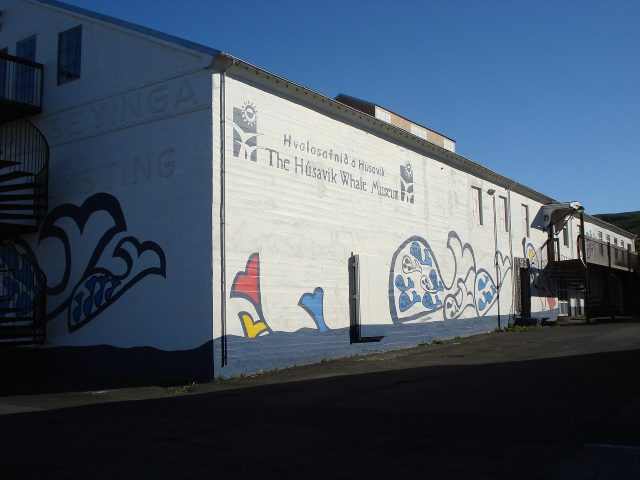
Húsavík is often called Iceland’s whale-watching capital, and the harbor plays a key role in that reputation. Boats depart from here on excursions to see humpback whales, minke whales, and occasionally even blue whales, drawn to the bay’s rich waters. For many visitors, encountering these giants is the highlight of their trip. But even without the whales, the harbor itself is a place where you can feel the ocean’s presence and understand how deeply Iceland’s identity is tied to the sea.
In recent years, Húsavík has gained fame beyond fishing, thanks to its appearances in films. The harbor and its surroundings have been featured on screen, drawing visitors who want to see familiar sights in person. Yet the town hasn’t lost its essence—it remains a quiet, unhurried place where locals welcome visitors with genuine warmth. You can stop by a small café for fresh fish, browse hand-knit woolens from local artisans, or simply watch life unfold at its own pace.
The harbor isn’t a museum; it’s a living, breathing part of the town. There are no luxury hotels or flashy attractions here, just the everyday rhythms of a community that depends on the sea. Walk along the waterfront, and you might see fishermen unloading their catch, children playing on the shore, or elders chatting on benches. It’s a scene that feels timeless, where life moves to the same simple, honest beat it has for centuries.
If you visit Húsavík, don’t rush straight to a whale-watching tour or a museum. First, take a walk along the harbor, sit on the pier, and listen to the gulls and the waves. This is where you’ll find what so many travelers come to Iceland for—not just scenery, but a sense of stillness, space, and authenticity. The harbor isn’t just a dot on the map; it’s a piece of Iceland’s soul, waiting to be discovered.