Aden’s port sits in a natural harbor between two extinct volcanoes on Yemen’s southern coast. For centuries, it wasn’t just a trading post—it was a crossroads where merchants from India, Africa, Arabia, and Europe converged. The city became a mix of cultures, languages, and traditions. Even now, the port carries the weight of the past, not for its cargo volume, but for what it holds in its stones and salt air.
The harbor’s geography made it invaluable. Jabal Shamsan and Jabal Hadid shield it from storms, creating one of the safest anchorages on the Arabian Peninsula. Ancient sailors—Phoenicians, Greeks, Romans—used Aden as a waypoint on voyages to India and East Africa. By the Middle Ages, it linked the Mediterranean to the Indian Ocean. Ships docked here with silk, spices, ivory, and gemstones. The city’s markets buzzed with goods from across the known world.
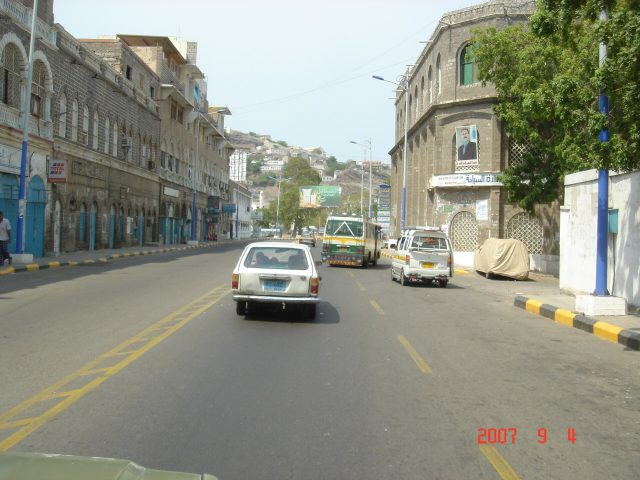
The British left the deepest architectural mark. After seizing Aden in 1839, they turned it into a naval base and coaling station for steamships. They expanded the port, built docks, warehouses, and colonial-style buildings with high ceilings and verandas. Many still stand. Under British rule, Arabs, Indians, Somalis, Jews, and Europeans lived side by side. The port handled ships from every corner of the globe.
When the British withdrew in 1967, the port remained important. During the Soviet era, it became a key naval base. Even now, it’s one of the region’s largest ports, handling cargo for Africa, Asia, and Europe. But political instability has taken its toll. Conflicts and blockades disrupted operations, yet the port endures. Fishing boats still set out at dawn. Cargo ships unload. The occasional passenger ferry arrives.
The waterfront feels like stepping through layers of time.
Crumbling stone warehouses stand beside rusted cranes from the British era. Modern container terminals rise in the distance. The air smells of saltwater, diesel, and spices—cardamom, cumin, turmeric—drifting from nearby markets. Fishermen return by midday, selling their catch straight from wooden boats. The pace is unhurried, dictated by the tides.
Aden has weathered wars, occupations, and economic collapses. In 2015, the port became a battleground. Fighting damaged infrastructure, but within a few years, operations resumed. Today, it remains a lifeline for Yemen, supplying essential goods. The port’s survival is about the people who keep it running, often against impossible odds.
For those who look, traces of different eras coexist here. Ancient stone quays from Roman times. British-built docks from the 1800s. Soviet-era military structures. Modern shipping terminals. The old city, just beyond the port, has narrow streets lined with coral-stone houses. Markets sell spices, silver jewelry, and jambiyas—traditional Yemeni daggers.
Aden’s port isn’t just a place on a map. It has witnessed the rise and fall of empires. Today, it exists in limbo—neither abandoned nor thriving, but enduring. For travelers, it offers something rare: a story that spans millennia, where the past isn’t preserved but still unfolding. There are no luxury hotels or guided tours. Just the raw reality of a port that has seen it all and keeps going, one tide at a time.