Beneath the cobblestone streets and quiet squares of Kłodzko lies a hidden world, carved into the soft sandstone over centuries. This underground network isn’t just a tourist attraction—it’s a testament to how people adapted to life in this corner of Silesia, where survival often depended on what could be built below ground. The tunnels once served as storage, secret passages, and even makeshift marketplaces, their purpose shifting with the needs of the town. Today, they offer a rare glimpse into the past, where the weight of history feels almost tangible in the cool, damp air.
The origins of these tunnels stretch back to the Middle Ages, when Kłodzko was a bustling trade hub between Bohemia and Poland. Merchants and craftsmen, wary of fires, floods, and thieves, began digging cellars beneath their homes to protect their goods. Over time, these cellars expanded, connecting into a sprawling maze that stretched for kilometers. Some passages were used for more than storage—during wars, they became shelters or escape routes, their narrow corridors offering both refuge and surprise.
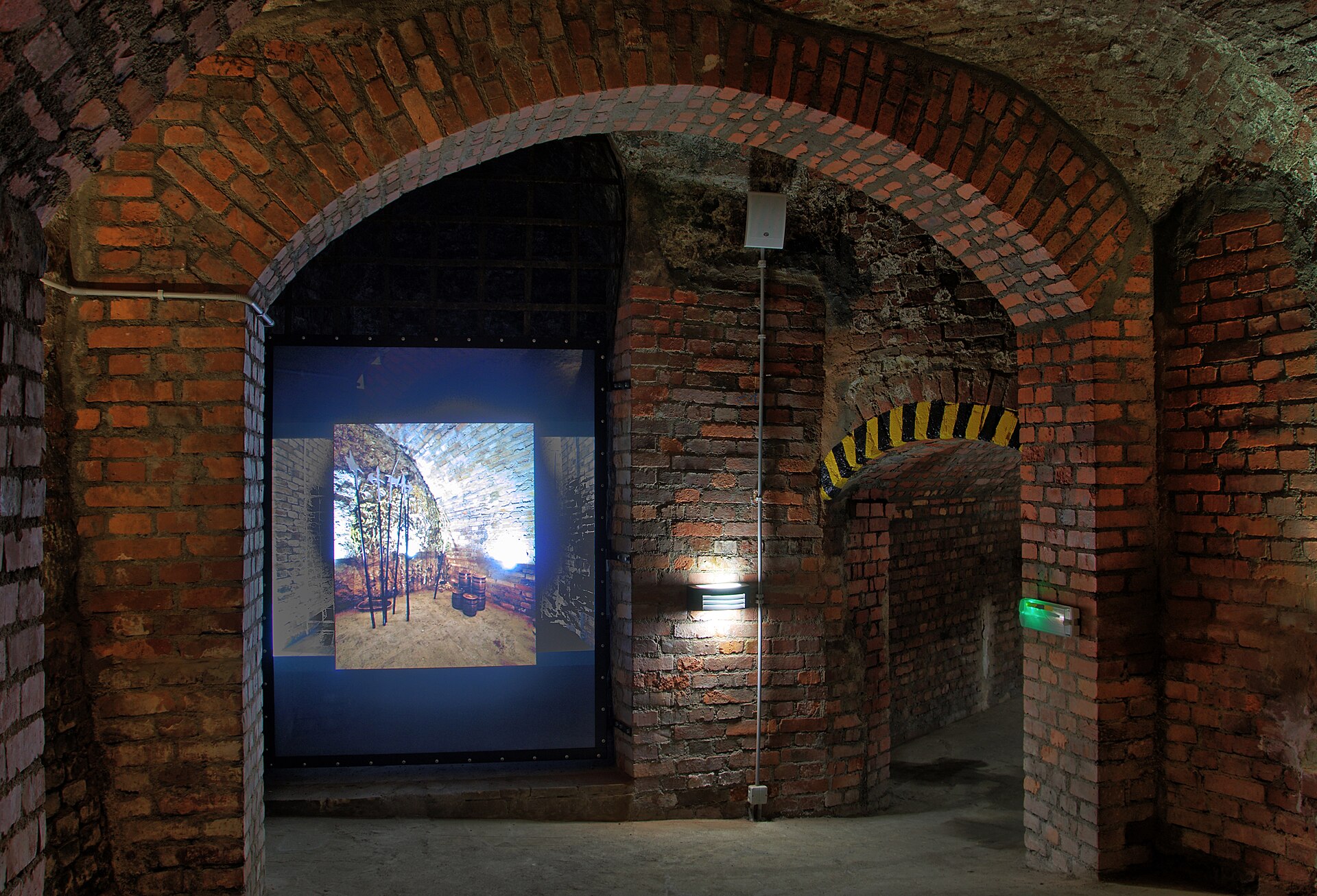
Walking through the underground route feels like stepping into another era. The dimly lit passageways wind past old niches where barrels of wine, sacks of grain, or tools once stood. In places, the walls still bear the marks of pickaxes and shovels, a reminder of the labor that went into creating this subterranean world. The most striking spaces are the large chambers, carved entirely by hand, where townspeople gathered during sieges or hard winters. Their rough-hewn walls and low ceilings make it easy to imagine the voices that once filled them.
The architecture here is simple but purposeful. The tunnels are supported by thick pillars left in place during excavation, while the floors are sometimes lined with old bricks. In some sections, remnants of wooden beams hint at past reinforcements. The slight incline of certain passages isn’t accidental—it was designed to drain water seeping through the porous rock, a clever solution to a persistent problem. The builders clearly understood the land they were working with, shaping it to serve their needs.
The tunnels aren’t just relics of medieval life. During World War II, parts of the network were expanded into bomb shelters, their walls still bearing the marks of those who sought safety within them. Some inscriptions are just names or dates, while others are desperate pleas or prayers, etched in moments of fear. These traces of human stories give the place a quiet intensity, a sense that history here isn’t just preserved—it’s still alive in the echoes of the past.
Today, the route is equipped with handrails, lighting, and informational signs, making it accessible to visitors. Yet even with these modern touches, the tunnels retain an air of mystery. The air grows heavier in some sections, and footsteps seem to linger in the silence. It’s easy to feel as though the past is just around the next bend, waiting to be discovered. This isn’t a place for those who prefer grand monuments—it’s for those who want to see history in its raw, unpolished form.
Kłodzko’s underground isn’t just an engineering marvel—it’s a record of resilience. The town has seen wars, occupations, and economic shifts, but these tunnels remained, adapting to each new challenge. There are no palaces or cathedrals here, just the quiet persistence of ordinary people who turned necessity into ingenuity. The tunnels tell a story of survival, of communities coming together in difficult times, and of the ways life carries on even when the world above is in turmoil.
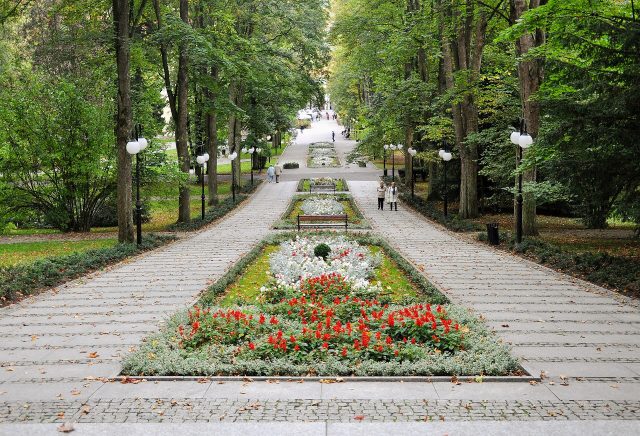
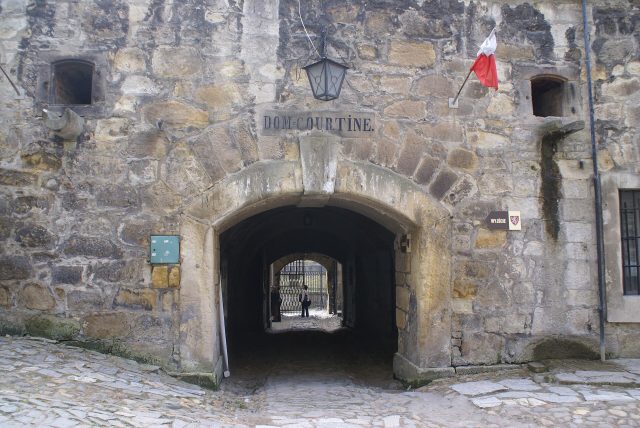
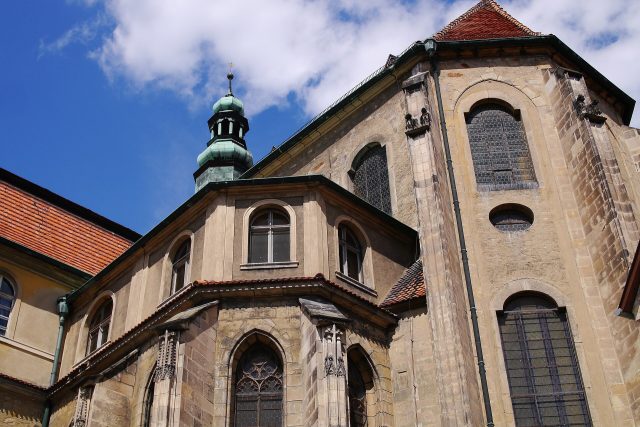
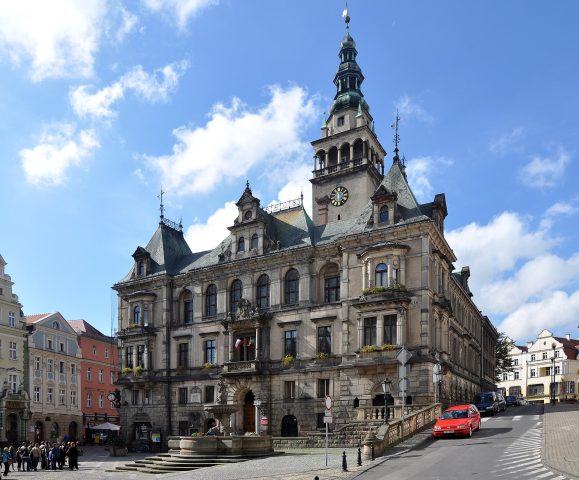
A visit to the underground route pairs well with a walk through Kłodzko’s old town. The fortress, the town hall, and the quiet churches all have their own stories, but it’s the tunnels that give the place its depth. They remind you that history isn’t always visible from the surface—that sometimes, the most revealing parts of a place are the ones hidden beneath your feet. For those willing to look a little closer, Kłodzko offers a chance to see a town not just as it appears today, but as it has endured through the centuries.