Vasile Alecsandri Square sits quietly in the heart of Bălți Noi, a district that feels more like a small town than part of Moldova’s second-largest city. Unlike the grand, bustling squares of Chișinău or the tourist-heavy plazas of Europe, this place carries a different kind of weight—one of everyday life, subtle history, and the unhurried rhythm of a community that has grown around it over decades. It’s not a destination that appears in glossy travel brochures, but for those who wander here, it offers something far more interesting: a glimpse into how people actually live, away from the polished facades of more famous landmarks.
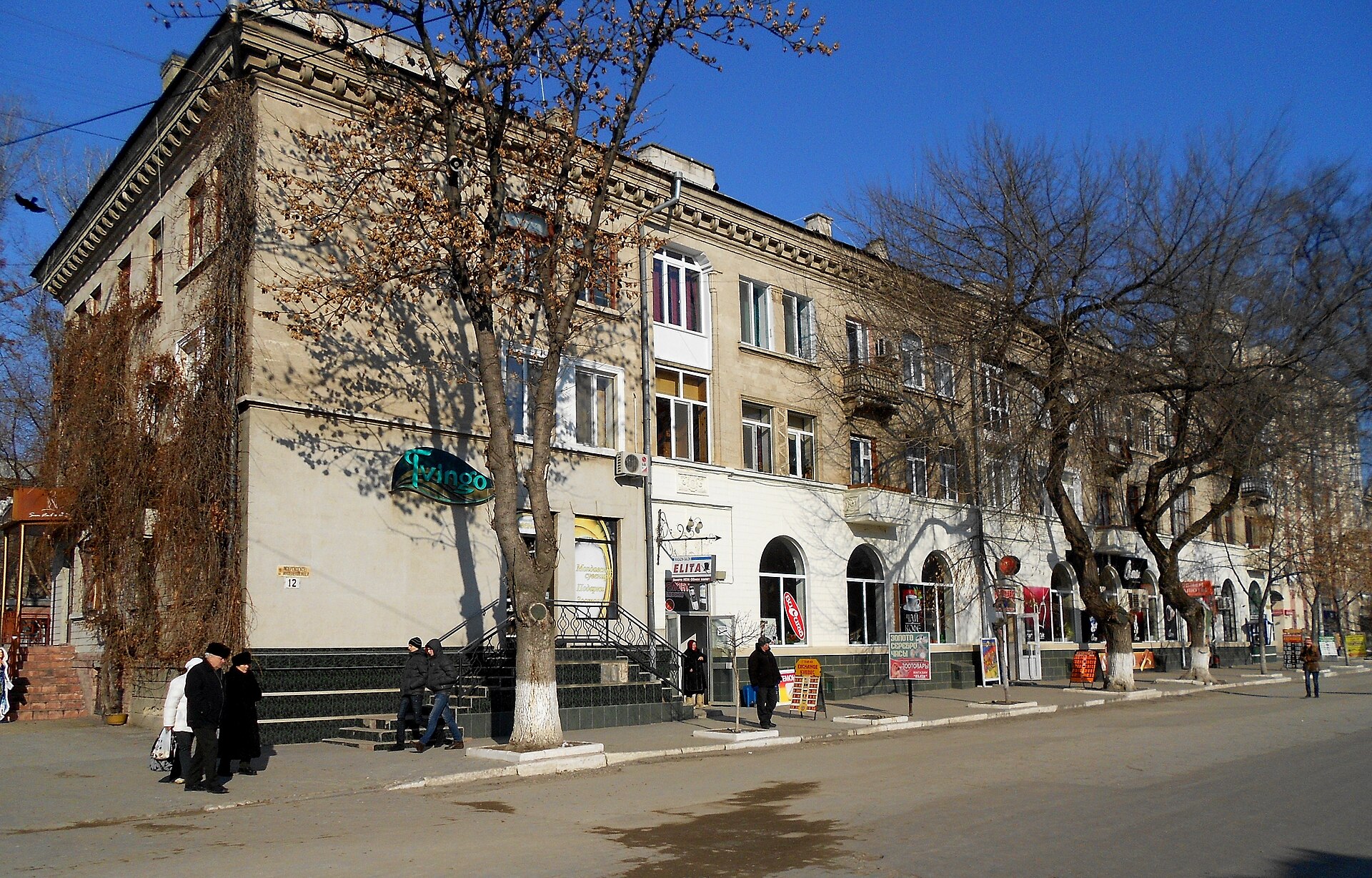
The square itself is modest in scale, framed by low-rise buildings that tell a story of Soviet-era urban planning mixed with the practical needs of a growing neighborhood. The architecture here is functional rather than striking—wide sidewalks, simple storefronts, and a few trees that provide shade in the summer. What stands out isn’t the design, but the way the space is used. On any given day, you might see elderly men playing chess on benches, mothers pushing strollers, or teenagers lingering near the small kiosks that sell ice cream and snacks. There’s no grand monument at its center, just a sense of place that has been shaped by the people who pass through it daily.
Vasile Alecsandri, the poet and playwright after whom the square is named, is a figure deeply tied to Moldova’s cultural identity. Born in 1821, he was one of the key voices of the 19th-century Romanian national awakening, a movement that sought to preserve and celebrate the language, folklore, and traditions of the region. His works—lyrical poems, historical dramas, and collections of folk songs—helped shape the idea of a distinct Moldovan (and Romanian) cultural heritage at a time when the region was under foreign rule. Naming a square after him here, in a district that didn’t even exist during his lifetime, speaks to how his legacy has been woven into the fabric of modern Moldova. It’s a quiet reminder that history isn’t just about grand events or famous battles, but also about the ideas and words that endure long after their creators are gone.
Bălți Noi, where the square is located, is a relatively young part of the city. Unlike the older, more central districts of Bălți, which date back to the 17th century, this area began to take shape in the mid-20th century as the city expanded to accommodate industrial growth and an influx of workers. The square likely emerged as a natural gathering point—a place where new residents could meet, shop, and socialize. Over time, it became a kind of anchor for the neighborhood, a spot where generations have marked milestones: first dates, political rallies, impromptu celebrations, or simply the daily routine of stopping by the market. There’s a sense of continuity here, even if the buildings and businesses around it have changed.
One of the most striking things about Vasile Alecsandri Square is how unremarkable it is in the best possible way. It doesn’t demand attention or try to impress. Instead, it exists as a backdrop to life, a place where the ordinary unfolds in small, meaningful ways. In the mornings, the air is filled with the scent of fresh bread from the nearby bakery, and the sound of shopkeepers unlocking their doors. By afternoon, the square hums with activity—students on their way home from school, pensioners chatting on benches, the occasional street musician playing an accordion. In the evenings, as the light softens, it becomes a place for quiet reflection, with couples strolling and children playing until the last rays of sunlight disappear behind the rooftops.
The square also reflects the broader changes that Moldova has undergone in recent decades. During the Soviet era, public spaces like this were often designed with a specific purpose in mind—whether as sites for political gatherings, parades, or state-sanctioned celebrations. After independence, many of these spaces were reclaimed by the people, their meanings shifting to fit the needs of a new era. Vasile Alecsandri Square is no exception. While it may not have been the stage for dramatic historical events, it has quietly adapted, becoming a place where the community expresses itself in ways that feel authentic. You won’t find grand statues or plaques here, but you will find a space that has been shaped by the people who use it, rather than the other way around.
For visitors, the square offers a chance to step away from the more tourist-oriented parts of Moldova and experience something closer to the country’s everyday reality. There are no guided tours here, no souvenir stands, no carefully curated narratives. Instead, it’s a place where you can sit on a bench with a cup of coffee from a nearby café and watch life unfold at its own pace. The conversations around you will likely be in Romanian or Russian, the two languages that coexist in this part of the country, and the topics will be the same as anywhere else—work, family, the weather, the latest news. It’s a reminder that, for all the differences in culture and history, people everywhere share the same fundamental concerns and joys.
If you do find yourself in Bălți Noi, take a moment to wander beyond the square as well. The surrounding streets are a mix of Soviet-era apartment blocks and more recent construction, with small shops, schools, and playgrounds tucked between them. The area has a distinctly local feel, the kind of place where neighbors know each other by name and where the pace of life is dictated by the seasons rather than the clock. In the summer, the air is thick with the scent of linden trees in bloom, and in the winter, the square is dusted with snow, the benches empty except for the occasional bundled-up figure hurrying past. It’s not a place that will take your breath away with its beauty, but it might just make you pause and appreciate the quiet dignity of a space that has been shaped by time and the people who call it home.
Vasile Alecsandri Square may not be the reason most travelers come to Moldova, but for those who seek out places like this, it offers something far more valuable than a photo opportunity. It’s a window into the soul of a neighborhood, a testament to the idea that history isn’t just made in grand palaces or on battlefields, but in the everyday moments that define a community. Whether you spend an hour here or just pass through, the square leaves an impression—not because of what it is, but because of what it represents: the quiet, enduring spirit of a place and its people.