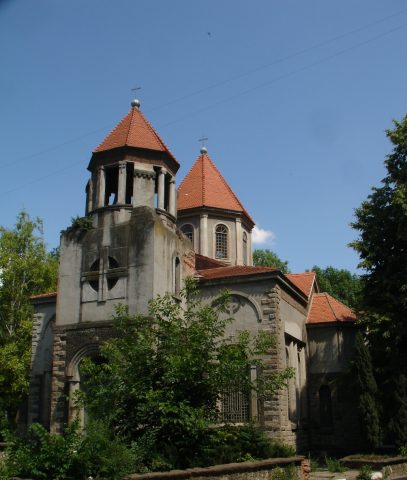
Nicholas Cathedral in Bălți is one of those quiet places that doesn’t demand attention at first glance but slowly reveals its depth to those who take the time to look. The city itself, tucked away in northern Moldova, rarely makes it onto tourist itineraries, yet it holds its own understated treasures. The cathedral, dedicated to Saint Nicholas the Wonderworker, stands in the heart of Bălți Noi, where the rhythm of life moves at an unhurried pace. Its white walls and traditional Orthodox domes blend seamlessly into the urban landscape, a subtle reminder that Bălți is more than just an industrial hub—it’s a place with roots that run deep into the region’s cultural and spiritual history.
The cathedral’s construction began in the late 19th century, a time when Bălți was growing into a key commercial and transport center within the Russian Empire. As the city expanded, the need for a new place of worship became evident, and the cathedral emerged as a symbol of the community’s spiritual aspirations. Funded by parishioners and local benefactors, its architecture reflects a blend of traditional Russian Orthodox design with local influences. The central dome, flanked by four smaller ones, rises above the cityscape, while the restrained yet elegant facade speaks to the craftsmanship of the era. Inside, the space feels airy and luminous, designed to evoke a sense of peace and reflection.
Like many religious sites in the region, Nicholas Cathedral endured a turbulent 20th century. During the Soviet era, when religious practice was suppressed, the building was repurposed for secular use. It wasn’t until the late 1980s, as Moldova began to reclaim its religious identity, that the cathedral was returned to the faithful. Restoration took years, but today it stands as a testament to resilience, its interior adorned with frescoes and an iconostasis that follow classic Orthodox traditions. The icons, some painted by local artists, add a personal touch to the space, grounding it in the community’s history.
Beyond its religious significance, the cathedral serves as a cultural anchor for Bălți. It hosts services, baptisms, weddings, and other rites that bring together people from across the district. On major Orthodox holidays, the cathedral comes alive with the sound of hymns, the scent of incense, and the glow of countless candles. For many locals, it’s more than just a place of worship—it’s a sanctuary where they find comfort and connection, a constant in the ebb and flow of daily life.
The architecture of Nicholas Cathedral offers a glimpse into the layers of history that have shaped this part of Moldova. Its design echoes the grandeur of the Russian Empire, while the details inside tell stories of the artisans who built and decorated it. Today, the cathedral is recognized as a protected architectural monument, a nod to its importance in Moldova’s cultural heritage. It’s a place where the past isn’t just preserved but continues to resonate with those who visit.
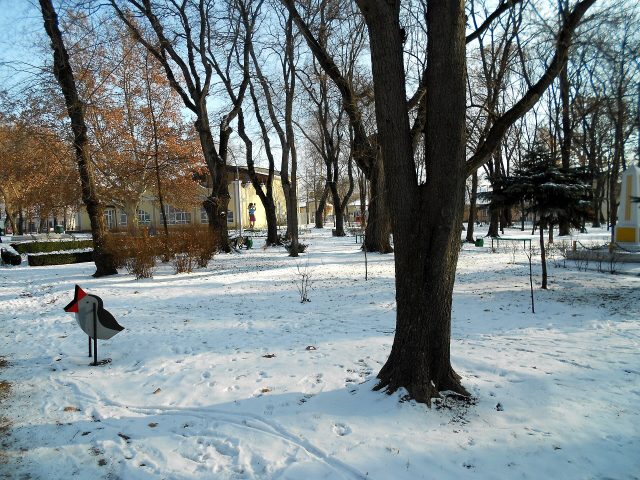
For travelers passing through Bălți, the cathedral might not be an obvious stop, but that’s part of its charm. The city doesn’t overflow with tourist attractions, and that’s precisely why places like this feel authentic. There’s no rush here, no crowds—just the quiet hum of everyday life. Visitors can take their time exploring the interior, chatting with locals, or simply sitting in the nearby park to soak in the atmosphere. It’s a chance to see Moldova beyond the usual highlights, to understand how history and faith intertwine in the fabric of a small but vibrant community.
The cathedral is easily accessible on foot from central Bălți, surrounded by other historic buildings, green spaces, and cafes where you can pause for a coffee or a bite to eat. If you find yourself in this part of Moldova, it’s worth stopping by—not just for the architecture, but for the sense of continuity it offers. Nicholas Cathedral isn’t just a building; it’s a living piece of the city’s identity, one that has weathered change and emerged with its spirit intact. In a place where time seems to move a little slower, it stands as a quiet witness to the stories that have unfolded around it.