St. George’s Square in Birżebbuġa is the kind of place that doesn’t announce itself at first glance. Instead, it quietly unfolds, revealing its character in small, unhurried moments. Tucked away in the heart of this Maltese seaside town, the square feels like a pause in the day, where the Mediterranean sun seems to linger just a little longer. There are no crowds here, no tourist traps—just the easy rhythm of local life. Elderly men gather under the shade of trees, their card games unfolding at a leisurely pace, while children dart between benches, their laughter mixing with the scent of fresh bread drifting from a nearby bakery.
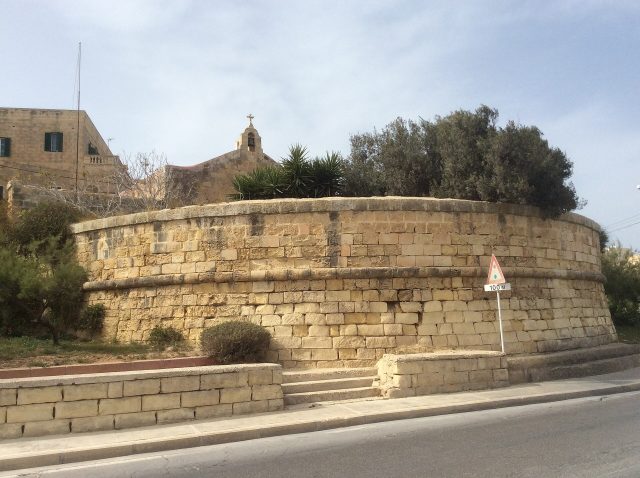
The architecture around the square is unassuming, much like Birżebbuġa itself. The low-rise buildings, with their honey-colored limestone facades, wooden balconies, and wrought-iron details, follow the traditional Maltese style—practical, sturdy, and built to last. At the center stands the Church of St. George, a modest structure from the late 18th century. Its single bell tower and simple facade don’t demand attention, but that’s part of its charm. Inside, the church feels intimate, almost like a family home, with soft light filtering through stained glass and wooden statues standing quietly in the corners.
The square’s history is woven into the story of Birżebbuġa. For centuries, the town was little more than a fishing village, its fortunes tied to the sea. It wasn’t until the 20th century, with the expansion of the nearby port and the arrival of workers, that the town began to grow. St. George’s Square, though, has always been the heart of the community. It’s where markets were held, where religious festivals filled the air with music and incense, and where people gathered to debate, celebrate, or simply pass the time. Even today, during the feast of St. George, the square comes alive with processions, decorations, and the sounds of brass bands, a tradition that has endured for generations.
Nowadays, the square remains a living part of the town. Mornings bring vendors setting up stalls with fresh fish, tomatoes still warm from the sun, and bunches of herbs tied with string. By evening, families stroll along the pavement, stopping to chat or let their children run ahead. In summer, the square often hosts open-air concerts, the music drifting across the warm night air. When winter arrives, the pace slows even more, the only sounds the occasional clink of domino tiles from a nearby café or the murmur of conversation over coffee.
What makes St. George’s Square special is its connection to the sea. From here, you can see St. George’s Bay, its calm waters dotted with fishing boats and the occasional yacht. In the distance, the silhouettes of ships glide toward the port, their lights reflecting on the water as the sun sets. The square itself seems to glow in the golden hour, the limestone buildings taking on a warm hue. It’s a place where time feels suspended—where you can sit on a bench, order a strong Maltese coffee, and watch the day unfold without hurry.
For those who want to experience Malta beyond the postcard sights, St. George’s Square offers something rare: authenticity. There are no luxury hotels or tourist menus here, just the quiet pulse of everyday life. You can duck into a small café for a plate of pastizzi and a glass of local wine, or wander down the narrow streets that lead from the square to the shore. The history here isn’t the kind you read about in guidebooks—it’s the kind you feel in the worn steps of the church, the stories shared over a game of cards, the way the light falls on the old stone walls.
Birżebbuġa doesn’t try to be the most beautiful or famous place on the island, and that’s what makes it worth visiting. St. George’s Square is a reflection of the town itself—unpretentious, full of life, and quietly proud of its past. There are no grand revelations here, no dramatic sights to rush toward. Instead, it invites you to slow down, to let the rhythm of the place seep in. Whether you spend an hour or an afternoon, the square leaves you with the sense that time, at least for a little while, moves differently here.