Borġ in-Nadur sits on a plateau along Malta’s southern coast, where the wind shapes the silence around its ancient stones. While Ġgantija and Ħaġar Qim draw crowds, this site stays quiet, its limestone blocks still arranged as they were in the third millennium BCE. No mortar holds them together, yet they stand—baffling archaeologists and visitors alike. Below, the Mediterranean stretches to the horizon, and you can almost hear the voices of those who once gathered here, treating these stones as sacred.
The enclosure
The four-sided structure dominates the site, built from massive slabs of local limestone. Some weigh tons. How were they moved? How were they lifted? Inside, low walls and altars suggest ceremonies, while shallow depressions in the bedrock may have held offerings or tracked the sun’s path. Around the main ruin, menhirs stand tall—upright stones with no clear purpose. Were they markers? Astronomical tools? The lack of records leaves the question open.
A name that doesn’t fit
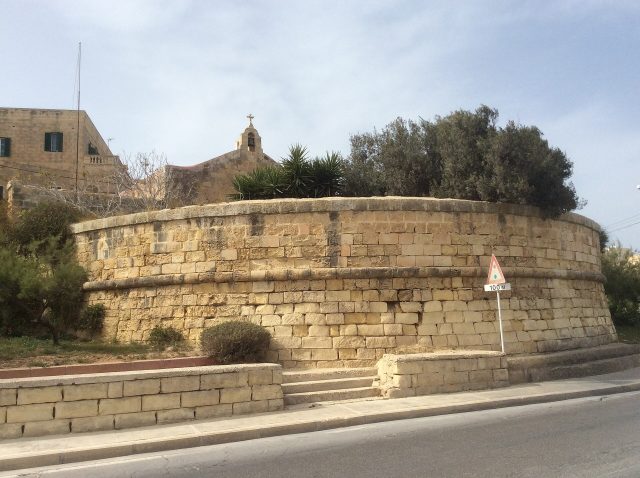
Borġ in-Nadur means "Tower of Nadur," but the tower was medieval, not prehistoric. It once watched for pirates from a nearby hill, a reminder that Malta’s southern coast was often raided. The isolation of this site may have saved it. Unlike other temples, it was never a busy place, so its stones survived mostly undisturbed. The land around it is harsh—rocky, sparse, with only the wind and gulls breaking the silence. Birżebbuġa’s outskirts are visible in the distance, but here, time moves differently.
What was it for?
Archaeologists began studying Borġ in-Nadur in the early 1900s, but its purpose is still debated. A temple? A settlement? An observatory? Some stones align with solstices, but without proof, these ideas stay guesses. The builders left no written clues, so their intentions remain hidden. Walking among the ruins, the silence feels heavy—history’s gaps are everywhere.
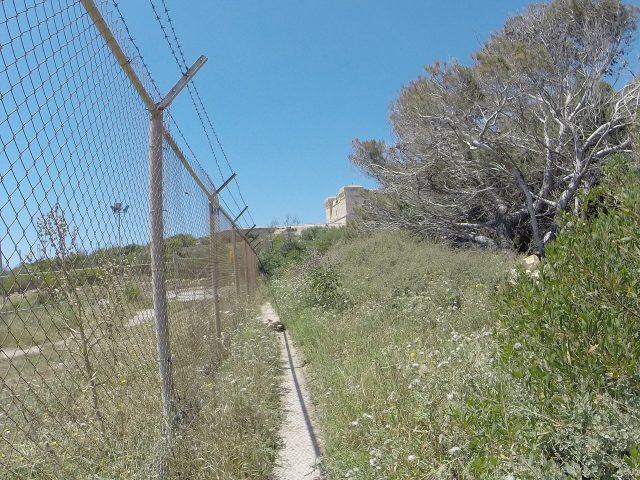
There are no signs, no paths, no crowds. The walk from Birżebbuġa is part of the visit—dusty tracks, abandoned farmhouses, wild thyme underfoot. The air smells of salt and warm stone. Sometimes a shepherd passes with his flock, or an old man collects snails after rain. The stones themselves are unremarkable at first glance, their surfaces changing color with the light—golden in the morning, pink at dusk.
What makes this place different? It doesn’t try to impress. It doesn’t explain. It just is—rough, enduring, real. You can sit on a low wall, touch the limestone, and wonder about the hands that placed these stones here. The sea in the distance shifts from calm to restless, a reminder that Malta has always been shaped by both people and nature. The past isn’t just something to read about; it’s something you feel in the air.
If you visit Malta’s prehistoric sites, come here—not because it’s the grandest, but because it’s the least polished. No reconstructions, no easy answers. Just stone, wind, and time. History isn’t only about what we know; it’s about what we sense when we stand where others stood thousands of years ago. Borġ in-Nadur doesn’t give up its secrets. It doesn’t have to.