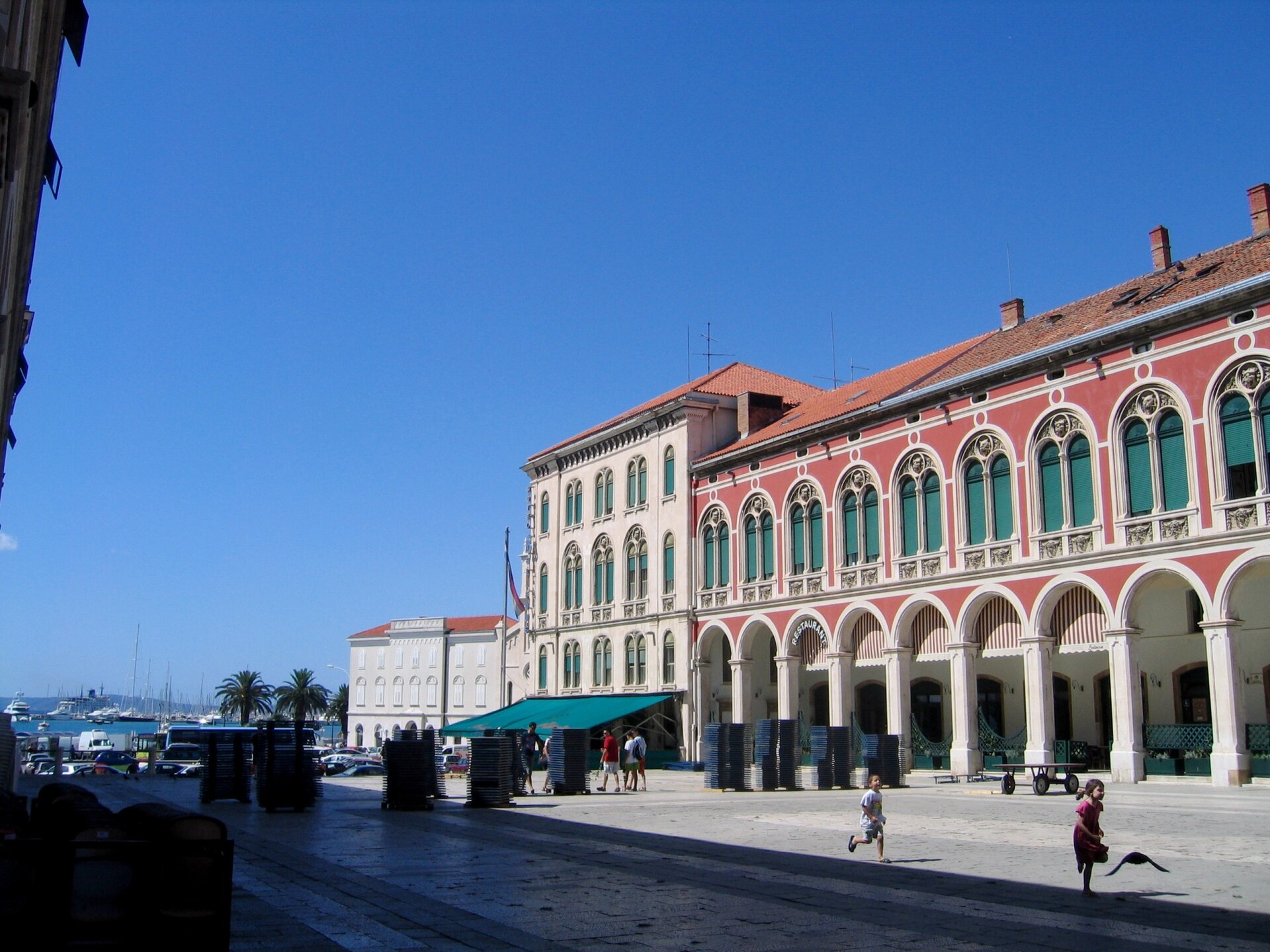
Republic Square in Prijepolje is one of those places where life moves at its own unhurried pace, yet never loses its depth. It isn’t just the geographic center of this small Serbian town—it’s the heart of its daily rhythm. Unlike Belgrade or Novi Sad, where crowds and tourist buzz dominate, here you’ll find something far more genuine. Old men play chess under the shade of trees, children kick a ball near the fountain, and vendors arrange fresh vegetables and homemade cheese on their stalls. The square isn’t just an architectural ensemble; it’s a living space that shifts with the time of day and the changing seasons.
The buildings around the square don’t overwhelm with grandeur, but they carry a quiet harmony. Most are two or three stories tall, built in the mid-20th century, blending neoclassical touches with local character. Some facades still bear delicate stucco details, while others keep the simple lines typical of post-war construction. At the center stands the town hall—a modest but dignified building with columns at the entrance and the Serbian flag above the door. Beside it, a small park with a fountain becomes a gathering spot in summer and a makeshift ice rink in winter.
The history of Republic Square is woven into Prijepolje’s growth as a trade and industrial hub. In the 19th century, it was the site of bustling fairs, drawing merchants from nearby villages and towns. Back then, the square was unpaved, surrounded by wooden stalls and inns. With industrialization in the early 20th century, the town expanded, and the square gradually took on its current form. Though Prijepolje suffered during World War II, the square survived, becoming a symbol of resilience. After the war, paved roads appeared, and by the 1960s, many of the buildings standing today were constructed.
Today, Republic Square is more than just an administrative center—it’s where the town celebrates its festivals and holidays. In summer, open-air concerts fill the air, while in December, a Christmas market offers traditional treats and handmade crafts. The most vibrant moment comes during the City Day celebrations, marking Prijepolje’s liberation from occupation. On that day, the square buzzes with music, the scent of grilled meat, and children’s laughter. Even those who’ve long since moved away make a point of returning, drawn by the familiar spirit of home.
Prijepolje isn’t a major tourist destination, but Republic Square appeals to those seeking authenticity over spectacle. There are no luxury hotels or trendy cafés here, just a handful of cozy *konobas*—traditional Serbian taverns—where you can try homemade food. One might serve *ajvar*, fresh bread, and *rakija*, while another offers dishes made from local lamb. In the evening, the square takes on a different charm as lamplight reflects off café windows and tree shadows stretch across the cobblestones, creating a peaceful atmosphere.
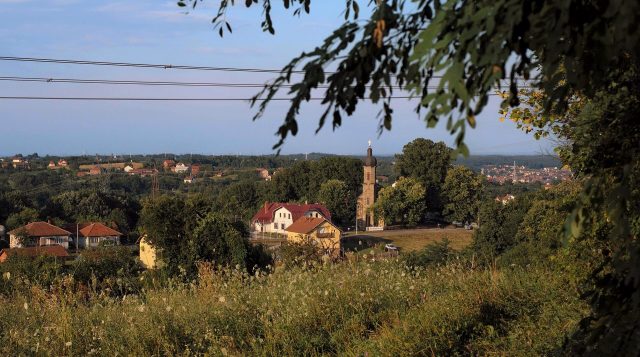
For visitors staying a while, the square is a natural starting point for exploring the town. From here, it’s an easy walk to the old bazaar, where spices, dried fruits, and hand-knit socks are still sold from stalls. The Lim River flows nearby, its banks lined with paths for leisurely strolls. A short distance away stands the Church of Saint Nicholas, a small but beautiful 19th-century church with well-preserved frescoes. And if you climb the nearest hill, the view opens up over the town and its surroundings—rolling green hills giving way to mountains, with the river winding through like a silver thread.
Republic Square isn’t the kind of place that dazzles at first glance. Instead, it lingers in memory for its simplicity and warmth. There’s no forced grandeur here, just the sense that time moves to its own rhythm, untouched by the rush of bigger cities. That’s probably why locals love it so much—it doesn’t change abruptly or chase trends. It simply exists, welcoming anyone who passes through. For visitors, it’s a chance to see Serbia without the gloss—a place that lives for itself, not for tourists.