Republic Square isn’t where Malé puts on a show. It’s where the city breathes. No tourists crowd the pavement, no souvenir stalls line the edges—just the steady pulse of a capital that doubles as the nation’s political and cultural core. On ordinary days, government officials stride between buildings, students cut across the pavement, and friends gather under the sparse shade. But when national holidays arrive, the square changes. Flags rise, speeches begin, and marching bands fill the air. For Maldivians, this is where history lives.
The architecture is plain, built for purpose rather than display. A tall flagpole stands at the center, its base ringed by a low wall where people sit. The national flag—green, red, white—flies above, the crescent moon marking the country’s Islamic roots. The surrounding buildings are modern but unadorned: government offices, a few cafés, the occasional shop selling phone cards or coconut water. No grand facades, no ornate details. The simplicity isn’t accidental. It’s meant to serve the people, not the other way around.
The square’s history is tied to the Maldives’ path to independence. For centuries, Malé was a fortified island where sultans ruled and fishermen lived in crowded houses. When British rule ended in 1965, the new nation needed symbols. Republic Square became one. Here, the first flag of independent Maldives was raised, a moment still remembered. Over the decades, the square has seen protests, celebrations, and quiet reflection. No ancient ruins or royal palaces stand here, but its modern history tells its own story.
What makes the square special? The way it mixes the official with the everyday. On a typical afternoon, men in suits debate near the flagpole while a mother chases her toddler a few steps away. In the evening, when the heat eases, the square shifts again. The air cools, lights flicker on, and the scent of grilled fish drifts from nearby stalls. Sometimes, small events unfold—a *bodu beru* drum performance, a poetry reading, an art exhibition. These moments don’t last, but they show another side of the Maldives.
For visitors, the square is a reminder: Malé is more than a stopover to a resort. It’s a real city, with motorbikes humming, calls to prayer echoing, and children playing. The square is small—you can cross it in minutes—but it’s worth slowing down. Sit on a bench. Watch the flag snap in the wind. Notice the old men playing dominoes, the teenagers stealing glances.
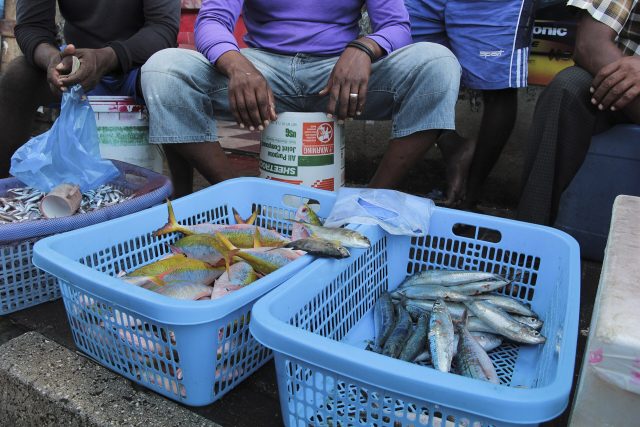
If you’re exploring Malé, start here. From the square, the local market is a short walk away. Vendors sell tuna, pandan leaves, and more. Nearby, the old town’s narrow streets hold clues to the island’s past—coral walls, wooden shutters, British-era bungalows. Or walk to the waterfront, where the ocean meets the seawall and fishermen mend nets as the sun sets. The square doesn’t demand attention. It rewards those who look.
There are no guided tours here, no souvenir shops. Just the unfiltered reality of life in the Maldives—a country where modern and traditional coexist. The square doesn’t pretend to be anything else: a gathering place, a stage for pride, a quiet corner where people connect. In a nation often defined by resorts, it’s a reminder that the Maldives has a soul beyond the brochures.