Piazza del Comune in Bomarzo isn’t just another town square in Italy—it’s a place where time seems to slow down, almost as if the world beyond these stone walls has paused. Bomarzo itself is one of those quiet Italian towns that most travelers overlook, tucked away in northern Lazio, far from the well-trodden paths of Rome or Florence. The square is the heart of this unassuming place, a space that feels untouched by the rush of modern life. The low hum of the fountain, the narrow streets winding toward it, and the warm glow of the buildings—all of it carries the weight of centuries, as if the past lingers just beneath the surface.
The architecture here isn’t grand or imposing, and that’s precisely what makes it special. The houses around the square are built in the traditional style of the region, with tall windows, wooden shutters, and facades made from local tuff stone. This porous, golden-hued rock is a hallmark of Bomarzo, quarried from the surrounding hills and used not only for these buildings but also for the nearby Park of the Monsters, a surreal garden filled with colossal sculptures. There are no towering monuments on the square itself, but if you look closely, you might spot faded coats of arms on some of the buildings—vestiges of the noble families who once held power here.
Bomarzo’s history, like that of many small Italian towns, is one of shifting allegiances and feudal rivalries. The Orsini family, one of the most influential dynasties in the region during the Middle Ages, once ruled here, leaving behind not just fortifications but also stories that still circulate among the locals. Piazza del Comune likely served as the town’s gathering place, a market square, and a stage for public life. Back then, it would have been smaller, its shape evolving as the town grew. Today, it’s rarely crowded, but in the mornings, when residents stop by for groceries or a coffee, the square briefly comes alive, a fleeting echo of its past as the center of communal life.
At the heart of the square stands a modest but elegant fountain, its water trickling down stone basins in a quiet rhythm. Fountains in Italy have always been more than just decorative—they’re symbols of life, prosperity, and the simple pleasures of daily existence. On hot summer days, the shade of the surrounding trees offers relief, and the sound of the water blends with the voices of children playing nearby or the murmurs of elderly locals catching up on the day’s news. It’s one of those places where time doesn’t just pass—it lingers, unhurried and unforced.
Just off the square, the Church of Santa Maria Assunta stands as a quiet witness to Bomarzo’s history. Its facade is unassuming, but inside, you’ll find frescoes and altars that speak to centuries of devotion. Built during the Renaissance, the church may not have the fame of Italy’s great cathedrals, but it holds its own kind of significance. On feast days, the square in front of it fills with people attending mass or simply gathering with neighbors. In those moments, Piazza del Comune isn’t just a physical space—it becomes the emotional core of the town, a place where connections are renewed.
This isn’t the kind of destination that promises grand adventures or bustling nightlife. Instead, Bomarzo and its square invite you to slow down. You can wander the narrow streets, peek into small shops selling local produce, or just sit on a bench and watch the light shift across the stone facades. As evening falls, the air fills with the scent of herbs and flowers, and the square takes on a different mood. The streetlights cast a soft glow, making the tuff stone seem even warmer, as if the buildings themselves are inviting you to stay a little longer.
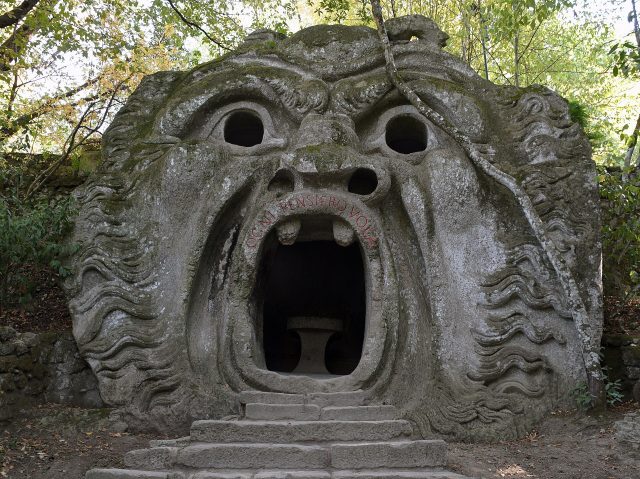
For most visitors, Piazza del Comune is the starting point for exploring Bomarzo. From here, it’s an easy walk to the Park of the Monsters, a surreal garden where Renaissance-era sculptures lurk among the trees—grotesque faces, mythical creatures, and impossible architecture that defy explanation. But even if you never leave the square, you could easily spend hours here, soaking in the atmosphere. The cafés on the ground floors of the buildings serve strong coffee and fresh pastries, and if you strike up a conversation, the locals might share stories about their town. Then again, sometimes the best way to experience a place is simply to observe, letting the rhythm of life unfold around you.
Bomarzo doesn’t try to impress tourists, and that’s what makes it so appealing. There are no souvenir shops selling tacky trinkets or restaurants catering to every possible taste. Instead, there’s an authenticity that’s hard to find elsewhere—a sense that this place exists for its own sake, not for the benefit of visitors. Piazza del Comune is where you can feel the real Italy, the one that exists beyond the postcards and guidebooks. There’s no need to rush or plan anything. Just come, take a seat, and let the town reveal itself in its own time.