Union Square, or Piața Unirii, is the heart of Cluj-Napoca, a place where the city’s past and present intersect with quiet dignity. This spacious plaza has been the stage for centuries of history, from medieval markets to modern gatherings, and its cobblestones still echo with the footsteps of merchants, soldiers, and ordinary citizens who have shaped the life of Transylvania. The square is framed by some of the city’s most significant buildings, each telling its own story of architectural evolution and cultural influence.
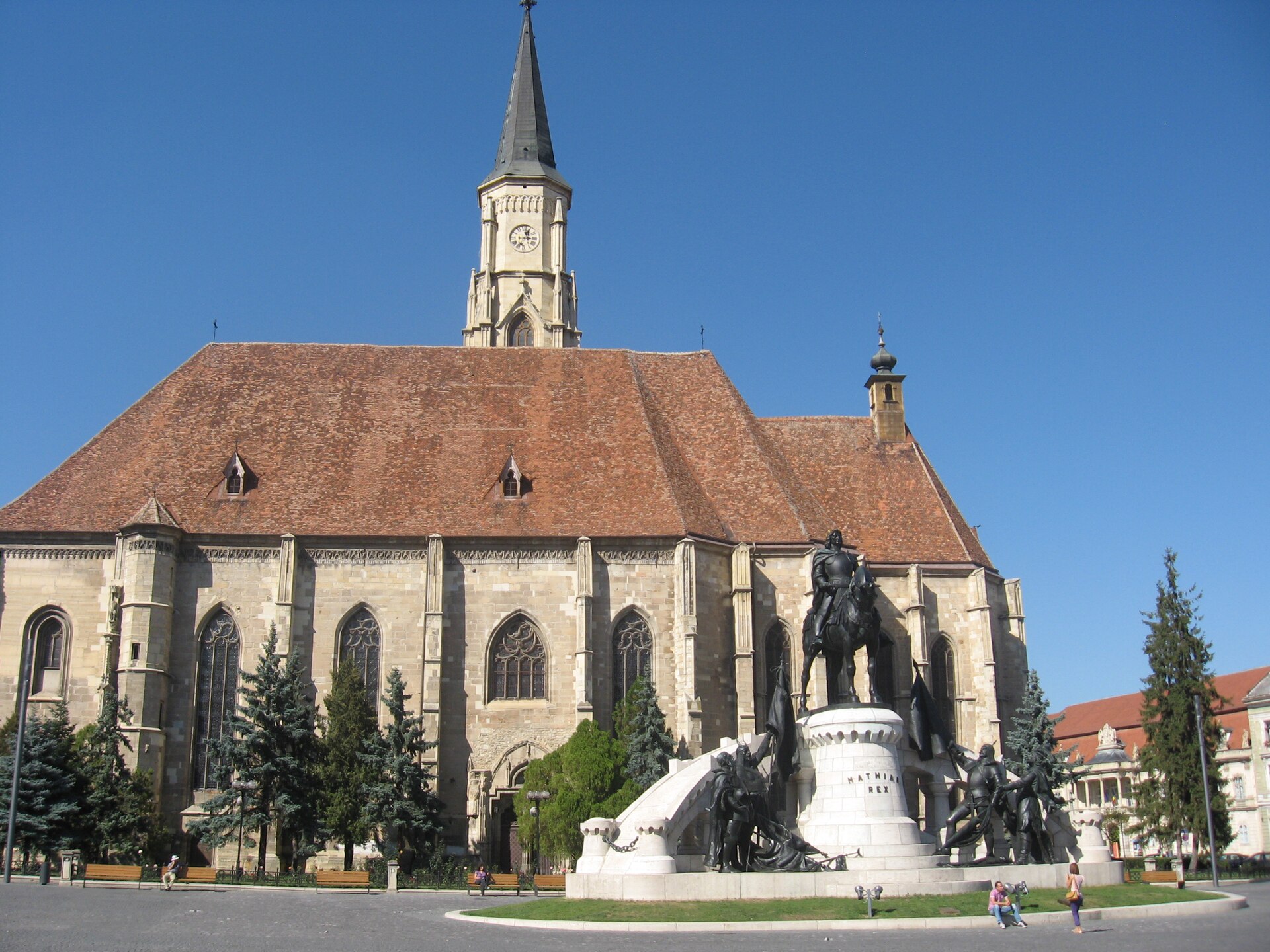
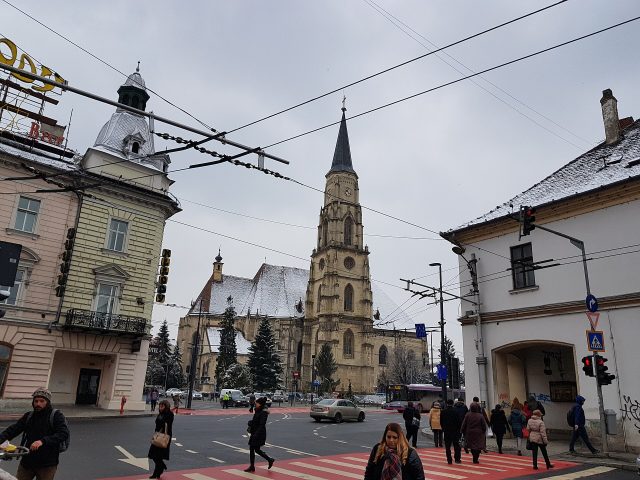
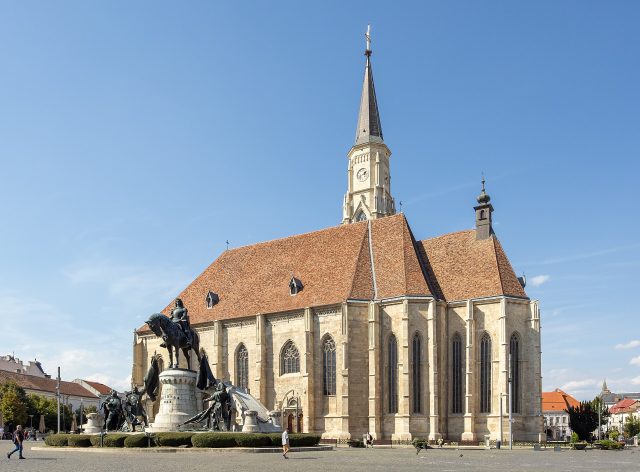
At the center of the square stands St. Michael’s Church, a towering Gothic masterpiece that has watched over Cluj since the 14th century. Its soaring spire and intricate stonework are a testament to the craftsmanship of the era, while the interior, with its vaulted ceilings and stained glass, offers a glimpse into the religious and artistic traditions of medieval Transylvania. The church has survived fires, wars, and political upheavals, and today it remains a place of worship as well as a symbol of the city’s resilience. The statue of Matthias Corvinus, the 15th-century Hungarian king born in Cluj, stands proudly in front of the church, linking the square to a broader European narrative of power and patronage.
The buildings surrounding the square reflect the layered history of Cluj. On the northern side, the Banffy Palace, an 18th-century Baroque gem, stands as a reminder of the city’s aristocratic past. Once the residence of the Banffy family, one of Transylvania’s most influential noble houses, the palace now houses the National Art Museum, where visitors can explore works by Romanian and Hungarian artists. The palace’s grand façade, with its ornate balconies and arched windows, contrasts with the more modest merchant houses that line the square, hinting at the social hierarchies that once defined urban life here.
To the east, the square opens onto a row of pastel-colored buildings, their facades adorned with the kind of decorative details that were fashionable in the 19th century. These structures, once home to guilds and wealthy burghers, now host cafes, bookshops, and small businesses, blending the old with the new. The ground floors often spill out onto the square in warmer months, with outdoor seating that invites passersby to linger over coffee or a glass of local wine. The atmosphere here is unhurried, a mix of locals catching up with friends and visitors soaking in the surroundings.
Union Square is not just a static monument to the past; it’s a living part of the city. Throughout the year, it hosts events that draw crowds from all walks of life. In December, the square transforms into a festive market, with wooden stalls selling handmade crafts, mulled wine, and traditional Romanian treats like cozonac, a sweet bread often enjoyed during the holidays. During the summer, open-air concerts and film screenings bring the plaza to life after dark, while street performers add a touch of spontaneity to the daytime. Even on ordinary days, the square is a gathering place—students from the nearby university lounge on the steps of St. Michael’s, elderly men play chess in the shade, and children chase pigeons across the cobblestones.
The square’s layout and design also tell a story of urban planning. Unlike the grand, symmetrical plazas of Western Europe, Union Square has an organic feel, shaped by the needs and ambitions of the people who built it. The irregular arrangement of buildings and the slight slope of the ground give it a human scale, making it feel more like a natural extension of the city rather than a formal civic space. This informality is part of its charm, a reminder that Cluj has always been a place where different cultures—Romanian, Hungarian, Saxon—have coexisted, sometimes uneasily, but always leaving their mark.
For those who take the time to explore beyond the square’s immediate boundaries, the surrounding streets offer a deeper dive into Cluj’s character. Just a short walk away, the narrow lanes of the old town are lined with artisan workshops, vintage shops, and hidden courtyards where time seems to slow down. The nearby Museum Square, with its mix of Baroque and Art Nouveau buildings, provides another layer of the city’s architectural heritage. But Union Square remains the anchor, the place where Cluj’s identity is most visibly on display.
There’s something quietly reassuring about Union Square. It’s not the kind of place that demands attention with flashy monuments or dramatic vistas. Instead, it offers a sense of continuity, a reminder that cities are built not just by rulers and architects, but by the people who live in them. Whether you’re here to admire the architecture, soak in the atmosphere, or simply watch the world go by, the square has a way of making you feel like a part of something larger—a thread in the long, unfolding story of Cluj.