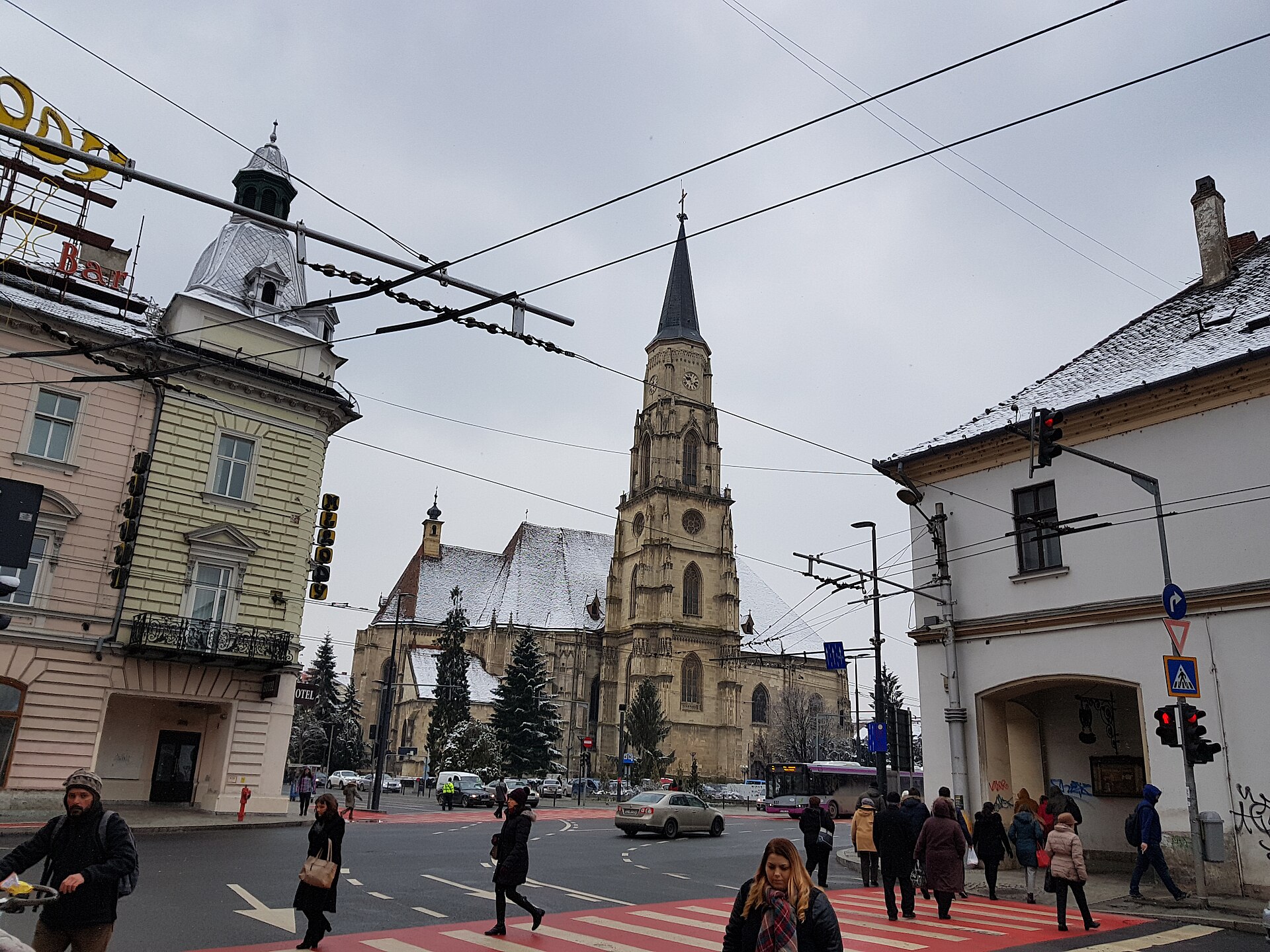
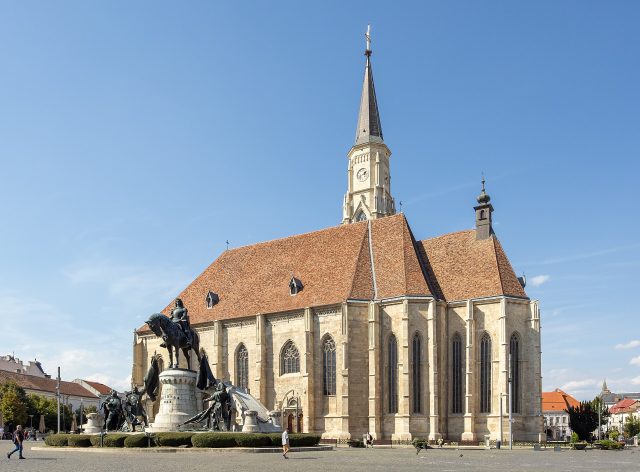
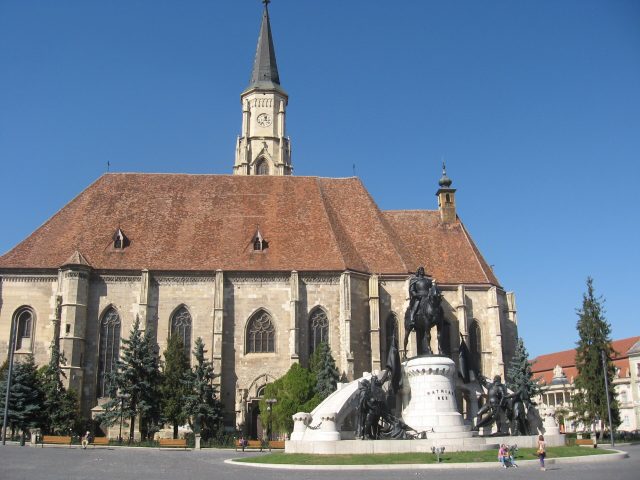
The Lutheran Church in Cluj-Napoca is one of those quiet places that doesn’t demand attention but stays with you. It stands behind taller buildings, away from the city’s main routes, as if history kept it aside. Yet this small structure holds centuries of stories—faith, culture, and identity in Transylvania.
Built in the late 18th century, when Cluj-Napoca was Klausenburg under Habsburg rule, the church marks a time when the city was a Protestant center. The Lutheran community shaped its growth, and the building’s design shows the era’s transition: late Baroque details meet the restraint of Neoclassicism. The façade is plain, without the ornate touches common in religious buildings of the time. This simplicity fits Lutheran tradition, where meaning matters more than decoration.
Inside, the church feels calm. Tall windows let in soft light, falling on white walls and wooden pews. The altar has no paintings or gold, but this emptiness creates space for thought. Visitors can sit and sense the presence of those who came before.
The Lutheran community here was never uniform. In the 18th and 19th centuries, it included Germans, Hungarians, and Romanians who followed Protestantism. This mix mirrored Transylvania’s culture, where different faiths lived side by side. The church was more than a place to pray—it was where people met, talked, and settled disagreements. Today, the community is smaller, but services still take place.
The neighborhood around the church was once Saxon. Settlers brought their crafts, trade, and building styles. Some houses nearby still have narrow fronts, steep roofs, and tidy courtyards. Walking these streets, you can almost see the city as it was when German was spoken as often as Hungarian or Romanian.
Some say the church is linked to Matthias Corvinus, the 15th-century Hungarian king, though he was Catholic and lived before it was built. The story remains, as legends do in places tied to a city’s identity. It shows how history and myth blend where the past feels close.
The church is still active, though its role has changed. It no longer anchors a busy neighborhood but draws those who seek history or quiet. On weekdays, it’s nearly empty; on Sundays, a small group gathers. Yet it’s kept in good condition, open to anyone who wants to enter.
If you visit Cluj-Napoca, the Lutheran Church is worth finding. It won’t be on postcards or in guidebooks, and that’s why it feels different. No crowds, no tours—just a place where time slows. Maybe that’s how it has endured, holding the same quiet it has for centuries. The past isn’t just remembered here; it’s still present.