Līvu Square in Talsi is one of those quiet corners where the past and present blend so seamlessly that time seems to slow down just a little. Tucked away in the heart of this small Latvian town, it doesn’t have the grandeur of a capital’s central plaza—no towering monuments or grand fountains. Instead, it’s a modest, unassuming space where the town’s history lingers in the cobblestones and the facades of old buildings, a place that has quietly witnessed the lives of generations.
The square takes its name from the Livonians, one of Latvia’s oldest indigenous peoples. Though the Livonian community has largely faded into history, their presence still lingers here. You might catch echoes of it in the names of nearby streets, in local folklore, or even in the faces of passersby whose ancestors may have carried Livonian blood. The square isn’t just a memorial—it’s a living reminder that history isn’t always confined to museums. Sometimes, it’s right under your feet, in the worn steps of an old staircase or the weathered walls of a century-old house.
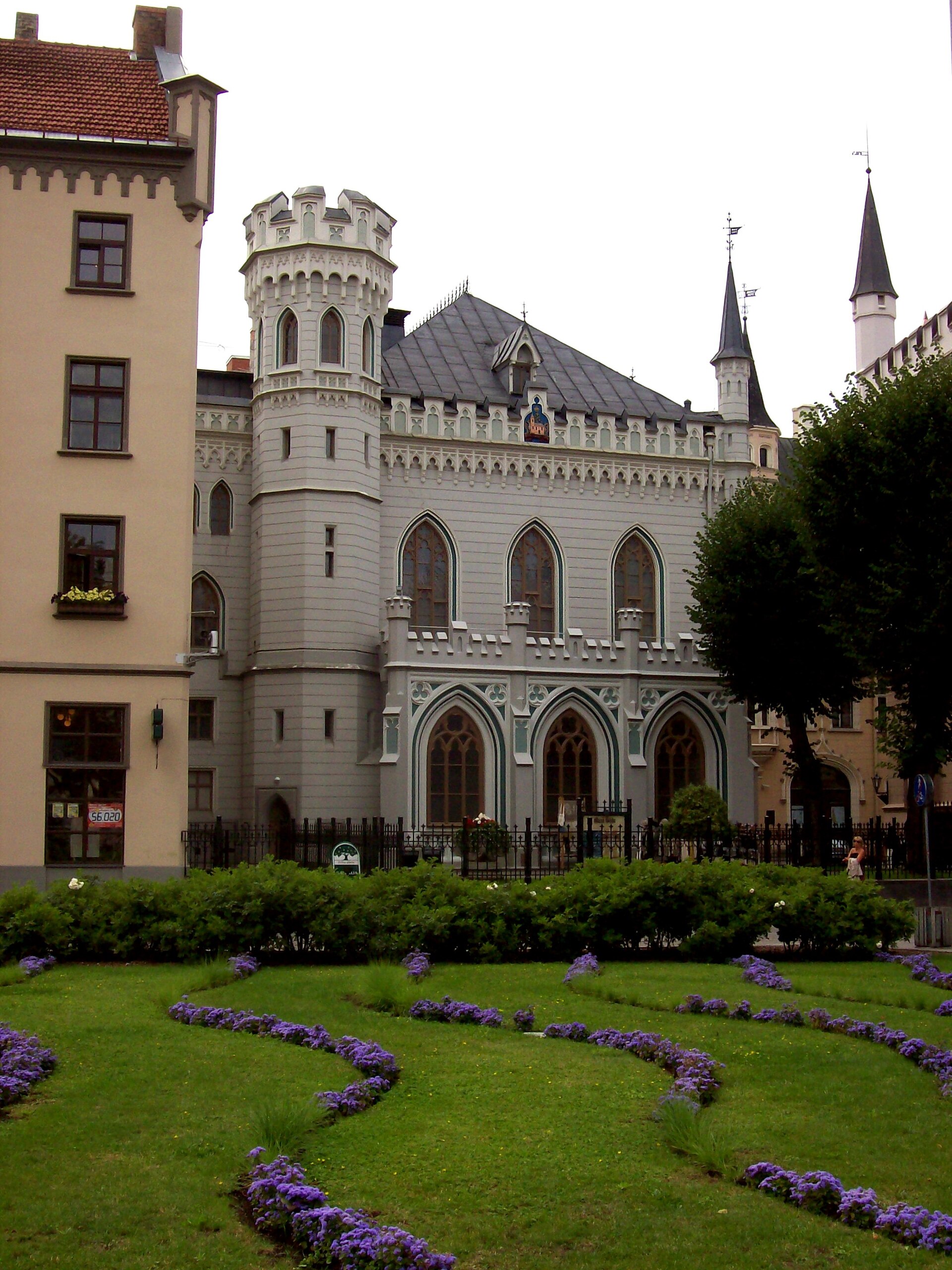
The architecture around Līvu Square is understated but full of character. Most of the buildings date back to the late 19th and early 20th centuries, a time when Talsi thrived as a center of trade and craftsmanship. The facades reflect a mix of styles, from Art Nouveau flourishes to the more eclectic details of the era—ornate stucco, wrought-iron balconies, and tall windows with delicate glazing. One of the most notable structures is the former hotel, once a stopping point for merchants and travelers making their way between Riga and Ventspils. Today, it houses the town’s administrative offices, but traces of its past elegance remain, like the original oak banisters on the staircase inside.
At the center of the square stands a modest monument to Kārlis Stalte, a Livonian poet and educator. Erected in the 1990s, the sculpture is small but meaningful—a tribute to one of the last voices of a fading culture. Stalte dedicated his life to preserving the Livonian language and traditions at a time when the community was dwindling. Locals and visitors often leave flowers at the base of the statue, not just on special occasions, but as a quiet acknowledgment of those who came before.
Līvu Square isn’t a place for crowds or grand events. Even in the height of summer, it rarely feels busy. Instead, you’ll find elderly men playing chess on the benches, young parents pushing strollers, or the occasional traveler pausing to rest after wandering through the old town. In the warmer months, a few cafes set up outdoor seating, serving coffee and fresh pastries. When winter comes, strings of lights transform the square into something out of an old holiday postcard, warm and inviting despite the cold.
The square hasn’t always looked the way it does today. During the Soviet era, it bore a different name and had a more utilitarian appearance—some of the older buildings were replaced with standard-issue structures, and the Stalte monument, of course, wasn’t added until after Latvia regained its independence. Yet even then, the square remained a gathering place, though its atmosphere was shaped by the politics of the time. After 1991, many Latvian towns restored their historical names, and Talsi was no exception. The return of the name Līvu Square was more than symbolic—it was a way of reclaiming a piece of the town’s identity.
What makes Līvu Square special isn’t its size or its tourist appeal. It’s the way it captures the essence of Talsi—a place where life moves at its own unhurried pace. There are no souvenir shops or tour groups here, just the quiet rhythm of a small town. You might spend an hour sitting on a bench, watching the world go by, or duck into one of the cafes for a cup of coffee. From here, it’s just a short walk to the edge of Lake Talsi, where the view opens up to another of the town’s quiet charms.
If you find yourself in Talsi, don’t rush past Līvu Square. Take a moment to stand still, to listen to the sounds around you—the creak of a bicycle wheel, the distant whistle of a train, the murmur of conversation from a nearby bench. It’s in these small, unremarkable moments that the town reveals itself. Talsi may not be a place of grand landmarks, but it has a way of leaving an impression, one that lingers long after you’ve left. Sometimes, the most memorable places aren’t the ones that demand attention, but the ones that let you simply be.