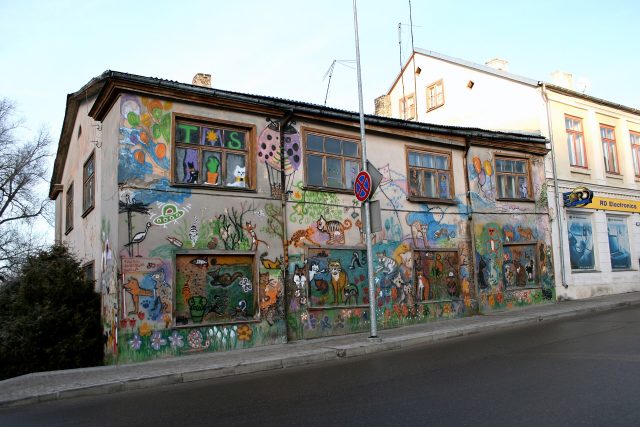
Talsi Local History Museum sits quietly in the heart of the town, its old walls holding more than just exhibits—they hold stories. The building itself, a sturdy two-storey house from the late 19th century, was once home to a local merchant before becoming a place where the past is kept alive. Its high ceilings, creaking wooden stairs, and worn doorways don’t just display history; they feel like part of it. Walking through the rooms, you don’t just see objects behind glass—you sense the lives they once touched.
The museum traces the history of Talsi and the surrounding region from its earliest days. Long before the town appeared on maps, the land was home to the Curonians, a Baltic tribe whose presence lingers in the tools, jewelry, and household items unearthed over the years. These simple objects—clay pots, bone combs, iron knives—paint a picture of daily life a thousand years ago, when survival depended on the land and the sea. Later, when German knights arrived in the 13th century, Talsi became a small but important hub, mentioned in chronicles as a place where trade routes crossed. The museum doesn’t just tell this story; it shows it through fragments of the past—coins, weapons, and documents that hint at the town’s strategic role in a turbulent time.
By the 19th century, Talsi had grown into a prosperous town, and the museum captures this era with particular care. The rooms dedicated to this period feel almost lived-in, filled with the belongings of merchants, craftsmen, and farmers. There are delicate porcelain teacups, heavy wooden chests, and faded photographs of stern-faced men in suits and women in long dresses. The exhibits also highlight the traditional crafts of the Kurzeme region—fishing nets, linen looms, and pottery wheels—reminding visitors that this was a place where people worked with their hands, shaping both their livelihoods and their culture. The museum doesn’t romanticize the past; it presents it as it was—hard work, small joys, and the slow rhythm of life in a provincial town.
The 20th century brought darker chapters, and the museum doesn’t shy away from them. One room is devoted to the world wars, where personal letters from soldiers, black-and-white images of bombed streets, and ration cards tell a story of loss and resilience. Another section covers the Soviet era, with propaganda posters, schoolbooks, and everyday objects that reveal how deeply politics shaped daily life. The most moving exhibits are the smallest—wedding rings hidden during deportations, a child’s notebook with carefully practiced handwriting, a soldier’s diary with entries that stop abruptly. These aren’t just historical artifacts; they’re fragments of real lives, preserved with quiet dignity.
Beyond human history, the museum also explores the natural world of Kurzeme. A separate section focuses on the region’s landscapes, from the windswept dunes of the Baltic coast to the dense forests of Slītere National Park. There are taxidermied birds and animals, pressed flowers, and maps showing how the land has changed over centuries. The exhibits explain how people once relied on nature—fishing in the lakes, hunting in the woods, farming the fields—and how those traditions have evolved. It’s a reminder that history isn’t just about people; it’s about the land they lived on and the ways they shaped it.
The museum isn’t just a place to observe; it’s a place to engage. Throughout the year, it hosts temporary exhibitions, lectures, and workshops that bring the past into the present. Local artists display their work, historians give talks, and children participate in hands-on activities that make history tangible. In the summer, the courtyard comes alive with music and festivals, turning the museum into a gathering place for the town. It’s not uncommon to see school groups clustered around an exhibit, or an elderly visitor pointing out a familiar face in an old photograph. The museum doesn’t just preserve history; it keeps it alive by making it part of the community’s ongoing story.
What makes the Talsi Local History Museum special isn’t just its collection, but the way it makes the past feel immediate. The scent of old wood, the way light filters through the windows onto yellowed documents, the hushed voices of visitors—all of it creates an atmosphere that’s more than just educational. It’s as if the walls themselves are whispering stories, not just about kings and battles, but about ordinary people who lived, worked, and loved in this small Latvian town. For anyone curious about the real Latvia—not the one in guidebooks, but the one shaped by centuries of quiet, everyday life—this museum offers a place to start. You might come for an hour, but you’ll leave with a sense that history isn’t something distant; it’s all around you, waiting to be noticed.