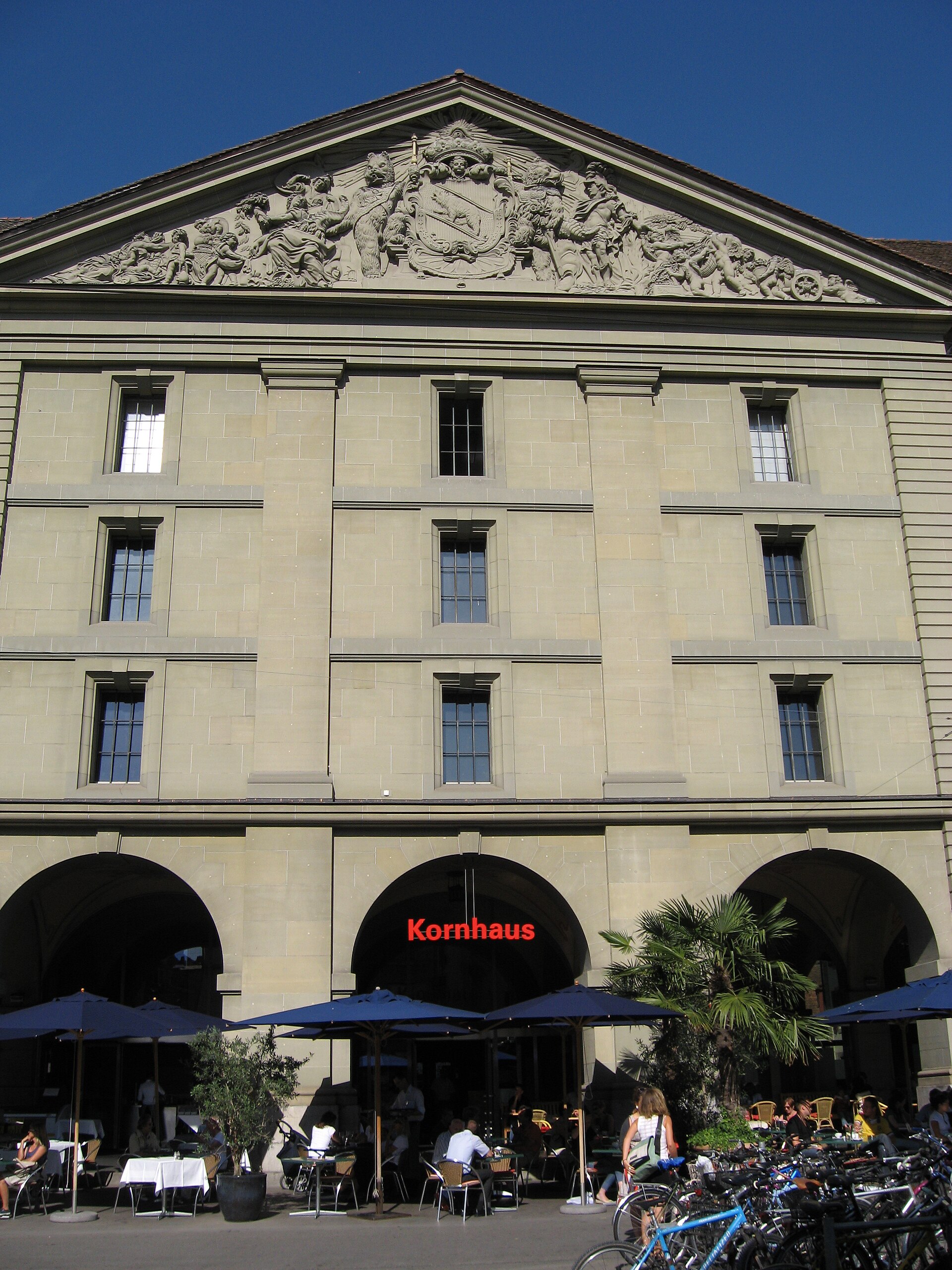
Kornhausplatz in Brugg is one of those places where a city reveals itself slowly, without the usual tourist clamor. There are no grand landmarks drawing crowds here, just a quiet, almost intimate atmosphere, as if time has softened its pace. Tucked in the heart of the old town, the square feels like a living room where history and everyday life blend seamlessly. Walking across its cobblestones, you sense the layers of the past mingling with the rhythm of a small Swiss canton.
The name Kornhausplatz, or Grain House Square, hints at its origins. Centuries ago, this was where grain was stored and traded, a hub for farmers and merchants exchanging goods. Today, little remains of those medieval warehouses, but the square still carries the spirit of a bustling marketplace. The layout is compact, with narrow alleys branching off under arched passageways, and the old facades of the buildings whisper stories of trade and community. It’s small enough to feel cozy, like stepping into a familiar corner of the past.
The architecture here is a patchwork of eras, each building telling its own tale. Most are two or three stories tall, with steep tiled roofs and wooden balconies that once served practical purposes—drying laundry or storing firewood. Some facades bear faded frescoes or ornate stucco work, though time has worn away many details. The old grain house itself still stands, a sturdy, thick-walled structure with small windows, a reminder of an age when security mattered more than aesthetics. It’s not grand, but it’s authentic, a piece of history that hasn’t been polished for tourists.
Nowadays, Kornhausplatz is more than just a historical site; it’s a living part of Brugg. In the mornings, small cafés open their doors, filling the air with the scent of fresh pastries and coffee. By evening, lamplight casts a warm glow over the cobblestones. Occasionally, the square hosts small markets or concerts, but more often, it’s a quiet spot where locals gather for a glass of wine or a chat on a bench. There’s no rush here, no tourist crowds—just the unhurried pace of a town that values its traditions.
Brugg may not be as famous as Zurich or Geneva, but it played a key role in Switzerland’s history. Situated along the Aare River, the town was once a vital trade link between the north and south of the country. Kornhausplatz sat at the crossroads of these routes, where deals were struck and goods changed hands. Today, that commercial past is mostly gone, but the square still feels like the heart of the town, a place where life unfolds naturally.
A stroll through Kornhausplatz offers a glimpse of Switzerland without the gloss. There are no luxury boutiques or high-end restaurants, just the quiet charm of a place that hasn’t changed much over the years. You might wander into an old bakery where traditional sweets are still made from century-old recipes, or simply sit on a bench and watch the world go by. On rainy days, the square takes on a particularly poetic mood—the cobblestones glisten, and the old buildings seem to deepen in color, as if the weather has washed away the years.
This isn’t a place for quick photos or fleeting visits. Kornhausplatz rewards those who take the time to linger, to soak in the rhythm of a small Swiss town where history isn’t confined to museums but lives in the stones underfoot and the windows overhead. It’s the kind of place that stays with you not because of what you saw, but because of how it made you feel—like you’ve been let in on a quiet secret.