Abai Square in Semey is one of those places where the pulse of the city meets the weight of history. It sits at the heart of town, and if you walk through it at different times of day, you’ll notice how its mood shifts. Mornings are quiet, with only a few people hurrying past on their way to work or the market. By afternoon, families appear—children chasing pigeons, elderly men playing dominoes on the benches. Evenings bring a livelier energy: groups of friends gather, music drifts from somewhere nearby, and sometimes, if you’re lucky, you might stumble upon an impromptu concert or a street performance. This isn’t just an open space between buildings; it’s where the city comes to pause, to meet, to simply be.
At the center of the square stands a monument to Abai Kunanbaiuly, the poet, philosopher, and educator whose name the square bears. Semey was once called by his name, and the connection runs deep. Abai spent much of his life here, writing some of his most important works in the city. The bronze statue captures him in a moment of quiet reflection, seated with a book in hand, as if still pondering the words that would shape Kazakh literature. For locals, the monument is more than a landmark—it’s a reminder of the man who bridged cultures, who believed in the power of knowledge and the importance of preserving tradition while embracing change.
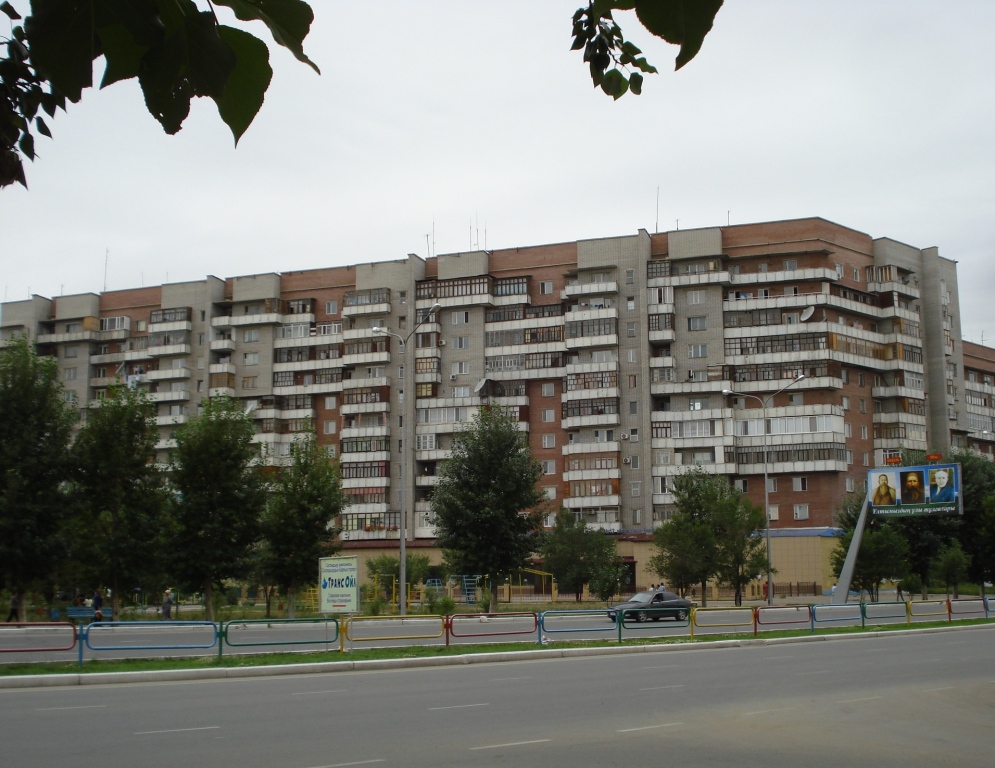
The buildings around the square are unassuming but telling. Most date back to the Soviet era, with their clean lines, high windows, and pale facades—a style that gives the place an air of order and openness. Among them are government offices, small shops, and the Palace of Culture, which still serves as one of the city’s main venues for concerts, exhibitions, and community events. The square itself is well-kept, with old trees providing shade in the summer and benches where people linger over conversations or cups of tea. In winter, the space transforms: strings of lights are draped between lampposts, and sometimes ice sculptures appear, adding a touch of whimsy to the cold months.
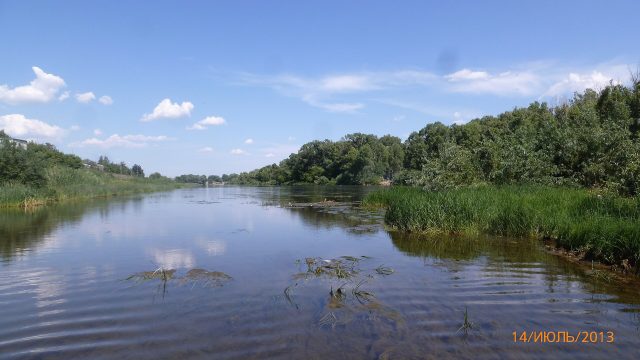
Semey’s history is woven into the very fabric of this square. Founded in the 18th century as a fortress on the Irtysh River, the city grew into a key trading hub and cultural crossroads. By the 19th century, it had become a place of exile for many prominent figures, including Fyodor Dostoevsky, who spent several years here. Abai, born nearby in what was then the Semipalatinsk district, often visited the city, engaging with its intellectual circles and even serving as a local official. After his death in 1904, his legacy became inseparable from Semey’s identity. The square named in his honor is a testament to that enduring connection.
What makes Abai Square special is how it balances the past with the present. It’s not a museum piece but a living part of the city. Here, you’ll find old trees planted decades ago standing alongside modern benches and small fountains that offer relief from the summer heat. On holidays, the square fills with music, food stalls, and crowds celebrating together. In quieter moments, it’s a place to sit and watch the world go by—students rushing to class, vendors setting up their stands, the occasional stray dog trotting across the pavement. There’s a rhythm to it, unhurried and familiar.
For visitors, the square is often the first stop in Semey. From here, it’s easy to explore the rest of the city—whether that means wandering through the nearby museums, stopping for a meal at a local café, or simply soaking in the atmosphere. There’s no grand spectacle here, no overwhelming crowds. Instead, there’s a quiet charm, a sense of time moving at its own pace. Semey doesn’t try to impress with size or opulence; it invites you to slow down and listen to its stories.
The square itself is modest in size, but its significance to the city is immense. It’s where history and daily life intersect, where every building and cobblestone seems to carry a memory. Abai Kunanbaiuly wasn’t just a poet; he was a reformer who believed in the power of education and the need to reconcile tradition with progress. His ideas still resonate, and perhaps that’s why the square remains such an important symbol for Semey’s residents. It’s a place where the past isn’t just remembered—it’s lived.
If you visit on a warm evening, when the sun is low and the air is sweet with the scent of linden trees, you might catch a glimpse of what makes this place special. There are no tourist traps here, no pushy guides—just the murmur of conversations, the splash of a fountain, and the occasional laughter of children playing nearby. The square feels timeless in the best way, a reminder that some things endure even as the world changes around them. Abai Square isn’t just a landmark; it’s a piece of Semey’s soul.