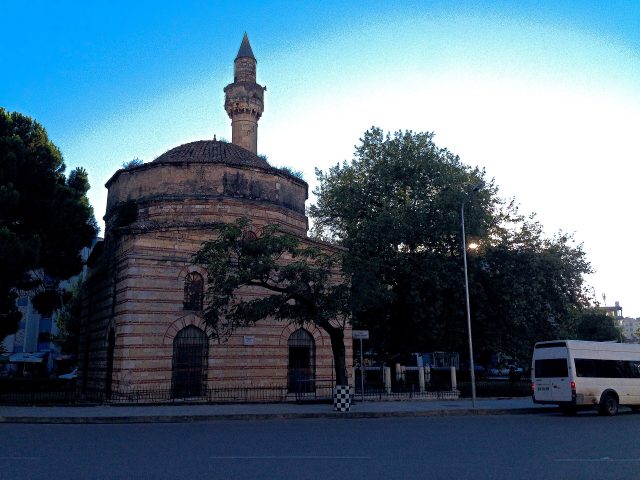
Flamuri Square in Vlorë is one of those places where a nation’s history quietly seeps into the rhythm of everyday life. It isn’t just the city’s central point—it’s a space where the weight of the past and the ease of the present coexist without fuss. Over the decades, this square has been a stage for moments that shaped Albania, yet today it remains a place where locals linger over coffee, watching life unfold at its own unhurried pace.
Vlorë has always carried a distinct character. Perched on the Adriatic coast, it has long served as a gateway between Albania and the wider world. Trade, seafaring, and cultural exchange have left their mark on the city, and Flamuri Square became its natural heart. In the early 20th century, as Albania struggled for independence from the Ottoman Empire, this was where history turned. On November 28, 1912, the Declaration of Independence was proclaimed here, an event that etched Vlorë into the country’s story and turned the square into a symbol of national awakening.
The architecture around Flamuri Square tells its own layered story. Neoclassical buildings from the early 1900s stand alongside structures from the socialist era, their styles clashing yet somehow harmonizing. At the center, a statue of Ismail Qemali, a key figure in Albania’s independence movement, gazes toward the sea. His presence feels deliberate, a reminder that the country’s identity has always been shaped by its geography—caught between mountains and the Mediterranean, between East and West.
Nowadays, the square is far more than a historical landmark. Mornings begin with cafés opening their doors, the scent of strong Albanian coffee drifting through the air as locals settle into long conversations. By midday, tourists wander in, snapping photos of the monument or browsing the small shops that line the edges. As evening falls, the atmosphere shifts. The streetlights flicker on, and the square becomes a gathering place—teenagers meeting for the first time, families strolling before dinner, the occasional musician setting up near the fountain.
Vlorë doesn’t feel like other Albanian cities. It lacks the dense urban energy of Tirana and the tourist crowds of Durrës. Instead, it moves at its own pace, a little provincial but welcoming. Flamuri Square captures this rhythm perfectly. There’s no rush here, just the quiet hum of a city that breathes deeply, neither hurrying nor standing still.
The square comes alive during national holidays, especially on November 28, when Independence Day fills the air with speeches, music, and fireworks. But even on ordinary days, it retains a quiet charm. Perhaps because it doesn’t try to be anything more than what it is—a place where history isn’t locked behind glass but woven into the fabric of daily life.
If you visit Vlorë, come to Flamuri Square not just for the monuments, but for the atmosphere. Take a seat at one of the cafés, order a glass of raki or local wine, and listen to the conversations around you. You might hear stories of how the city has changed over the decades, from the socialist era to the present. Or you might simply watch children playing near the fountain while elderly men debate the news on a nearby bench.
Flamuri Square doesn’t dazzle at first glance. Its value lies in something subtler—the way it lets you feel the pulse of the city, the unspoken pride in independence, the quiet resilience of its people. There’s no grandeur here, just authenticity, and that’s what makes it worth lingering in. For those who want to see Albania beyond postcard images, this is where the country reveals itself, not in grand gestures, but in the small, everyday moments that define it.