Bulgaria Square in Bankya doesn’t immediately demand your attention but slowly reveals its quiet charm. It’s the town’s central point, where history, daily life, and the appeal of a small Bulgarian resort intertwine. Bankya offers something different: calm that draws those seeking rest and healing.
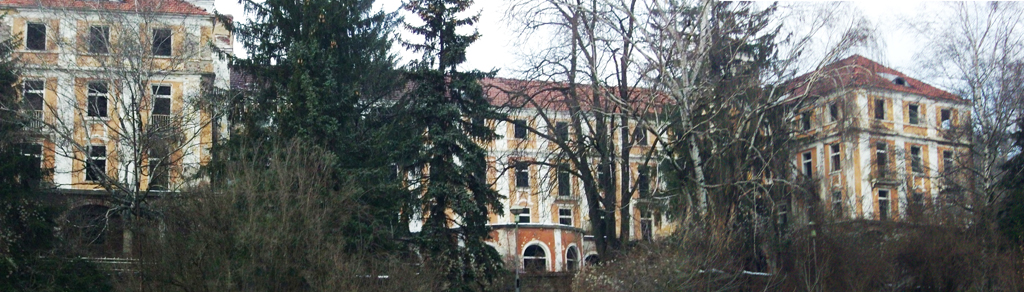
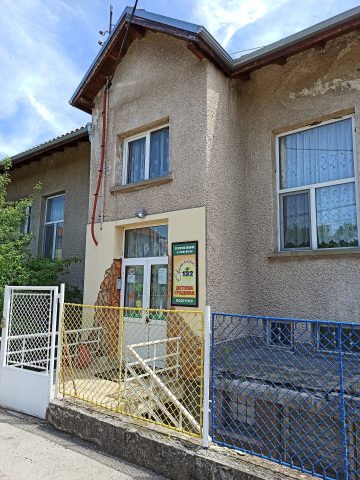
The square is small, but its location makes it the natural heart of the town. From here, the main streets fan out toward mineral springs, parks, and the old villas built in the early 20th century. The surrounding buildings are modest, their facades reflecting early modernist style—ornate balconies with stucco details, high windows, and tiled roofs that have weathered decades.
Some of these houses once belonged to wealthy visitors who came for the healing waters. Others served as hotels or sanatoriums. Today, they house small cafes, pharmacies, and shops, but the atmosphere remains unhurried and peaceful.
Bankya’s history as a resort began long before the square took shape. The Romans used the local mineral springs for healing, and during the Ottoman period, bathhouses and inns were built here. The town’s golden age came in the late 19th and early 20th centuries, when Bulgaria gained independence and European spa culture reached these parts. Bankya became a retreat for Sofia’s elite—doctors, artists, and intellectuals—who sought relaxation. The square likely emerged as a natural extension of this boom, a place where guests could stroll and meet.
Today, Bulgaria Square is a living part of the town. In the mornings, you might see elderly locals taking slow walks or young mothers pushing strollers toward the park. By afternoon, those who’ve come for treatments at the local sanatoriums sit on benches. Evenings bring a gentle liveliness—streetlights glow, soft music drifts from cafes, and the scent of coffee and fresh pastries fills the air. On weekends, a small orchestra might play, but even without these, the square feels festive.
The architecture here isn’t grand. The buildings are no taller than three or four stories, with high windows and red-tiled roofs typical of early 20th-century Bulgarian towns. Some facades feature wrought-iron railings or art nouveau details. There are no towering columns or elaborate statues—just cozy balconies where flowers bloom in summer and trees that offer shade.
A small fountain sits at the center of the square. Nearby, local artisans sometimes set up stalls selling ceramics, embroidered linens, or honey from nearby villages.
Bankya isn’t like other Bulgarian resorts. There are no beaches or loud nightclubs. Instead, there’s silence, clean air, and the feeling that time moves slower here. Bulgaria Square is the heart of this town—a place where you can sit on a bench and watch life unfold or wander down side streets to discover small cafes and shops selling local goods.
In recent years, Bankya has drawn those tired of big cities, people looking for a quiet escape. The square plays its part in this—not by offering entertainment, but by letting visitors experience the pace of real Bulgarian provincial life. You can sip coffee in a café with a view of old houses or buy fresh bread from a bakery that’s used the same recipes for generations.
Bulgaria Square isn’t the kind of place you’ll find in guidebooks. There’s nothing staged here—just old buildings, mineral springs, and people living their lives. Maybe that’s why those who visit once often return, to feel that unhurried rhythm again, to breathe in the scent of pine and herbs, and to spend time in a place where it seems like time itself has paused.