Bankya
Bankya feels like a quiet secret tucked just beyond Sofia, a place where the pace of life slows to match the gentle rhythm of its mineral springs. A short drive from the capital, it sits among rolling hills, where the air carries the scent of pine and warm, sulfurous water. There’s no urgency here—just stillness.
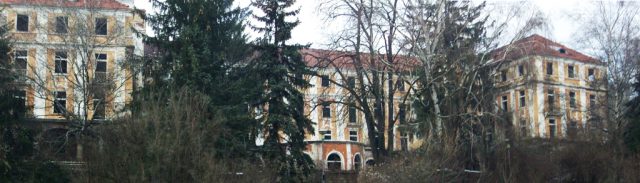
The town’s history as a healing retreat goes back centuries. The Romans used its thermal waters, and during Ottoman rule, bathhouses were built to use their restorative properties. In the late 1800s, as Bulgaria gained independence, Bankya grew into a destination. Sanatoriums and villas rose along its streets, blending neoclassical elegance with early modernist design. Some of these buildings still stand, their high ceilings and faded facades telling of a time when convalescence was leisurely.
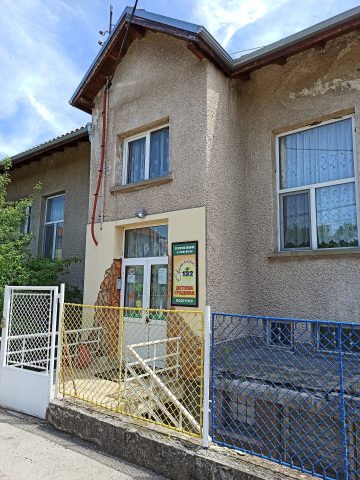
Bankya mixes old and new. Sanatoriums with ornate moldings share the streets with modern wellness centers offering mud wraps and underwater massages. Between them, small guesthouses hide in gardens, appealing to those who prefer solitude. The town doesn’t try to impress—it simply exists, unhurried.
The mineral springs are Bankya’s heart. The water emerges at 37 degrees Celsius, rich in sulfates and bicarbonates, known for easing joint pain and soothing skin. Locals and visitors gather at the public baths in the town center, where open pools invite lingering in the warm, sulfur-scented water. Some sanatoriums offer treatments, but even a simple soak feels like a ritual.
The landscape around Bankya offers its own quiet therapy. Low mountains rise around the town, their slopes thick with forests that change with the seasons. Hiking trails wind through the woods, leading to viewpoints and small waterfalls. The paths are gentle, meant for wandering. In spring, wildflowers bloom; in autumn, leaves turn gold and crimson.
Bankya isn’t a place for excitement. There are no crowded beaches or nightclubs. Instead, mornings bring the scent of fresh bread from local bakeries, and evenings feature dishes like banitsa and kebapche. On weekends, the town square hosts a market selling honey, herbs, and handmade crafts. The Church of St. Nicholas, built in the 19th century, stands as a quiet landmark.
People come to Bankya to step away. You can wake to birdsong, read on a sunlit terrace, or walk through the woods without meeting another soul. It’s a place for slowing down, for letting the mineral waters soothe tired muscles, for simply being.
In recent years, visitors from neighboring countries have started coming. Some stay for a weekend, others longer, drawn by the town’s healing reputation. But Bankya hasn’t changed. There are no luxury resorts—just quiet streets, warm springs, and timelessness.
If you’re in Sofia and need an escape, Bankya is nearby. A bus or taxi ride takes you from the city to somewhere entirely different. Wander without a plan. Stop at a small shop for local honey or herbal tea. Sit by the springs and let the water wash away the day. It’s not a place for grand moments—just a quiet corner where you can breathe and unwind.