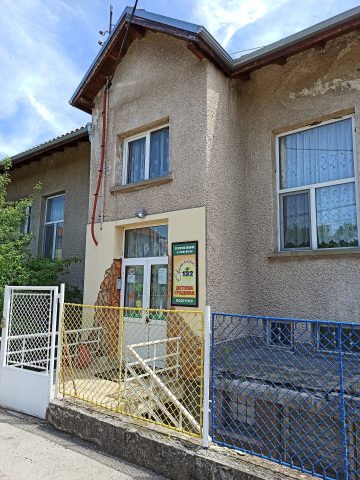
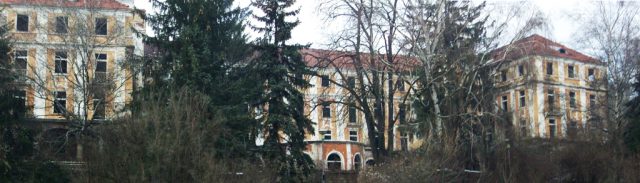
Bankya is one of those quiet places on the outskirts of Sofia that most travelers pass by without a second thought. Known primarily for its mineral springs and sanatoriums, this small town has a history that unfolds quietly, like the pages of an old book left on a shelf. The Museum of Bankya’s History offers a glimpse into that past, tucked away in a building that itself feels like a relic of another time.
The museum occupies a house built in the early 20th century, and stepping inside is like walking into a well-preserved snapshot of that era. The high ceilings, wooden staircases, and large windows that let in soft, diffused light all speak of a time when craftsmanship mattered more than speed. The floors creak underfoot, and the air carries the faint scent of aged wood and paper. There’s no grandiosity here—just the quiet presence of a home that has witnessed decades of life, now repurposed to tell the story of a town.
The exhibits begin with the earliest traces of human settlement in the area, long before Bankya became the place it is today. Archaeological finds—fragments of Thracian pottery, tools, and jewelry—hint at the people who first recognized the value of the mineral springs. The Romans, too, left their mark, as they did across much of Bulgaria. Coins, household items, and remnants of ancient baths suggest that even then, the waters here were prized for their healing properties. It’s a reminder that some things never really change; people have always sought relief and renewal in these springs.
The museum pays special attention to the 19th century, when Bankya began its transformation into a resort town. Under Ottoman rule, the first bathhouses and guesthouses appeared, catering to those who came to take the waters. Photographs, documents, and personal belongings of the doctors, architects, and entrepreneurs who shaped the town’s early development are on display. There are old medical instruments, yellowed brochures advertising the springs, and letters from visitors describing their stays. It’s easy to imagine the excitement of those early days, when a trip to Bankya was both a novelty and a necessity for those seeking better health.
The 20th century brought even more change, particularly during the socialist era, when Bankya became one of Bulgaria’s premier destinations for rest and recuperation. The town welcomed visitors not just from Bulgaria but from across the Eastern Bloc, and the museum captures that period with photographs of grand sanatoriums, posters for cultural events, and everyday objects used by guests. It’s a fascinating look at how a small town adapted to its new role, balancing its quiet charm with the demands of a growing tourist industry.
What makes this museum different from larger, more polished institutions is its intimacy. There are no grand narratives here, no sweeping historical dramas—just the accumulated details of ordinary lives. The people who built Bankya, who worked in its sanatoriums, who came to drink the mineral water and recover from illness, they’re all part of the story. The museum doesn’t try to impress; it simply presents the past as it was, in all its unvarnished reality.
A visit here pairs well with a walk through the town itself. After seeing the exhibits, you can stroll along the tree-lined streets, visit the park where the mineral springs still bubble up, or sit in one of the local cafés with a cup of coffee. The museum doesn’t take long to explore, but it adds depth to the experience of being in Bankya, turning what might have been a brief stop into something more meaningful.
This isn’t a place for those seeking spectacle or entertainment. It’s for those who appreciate the quiet corners of history, the stories that don’t make it into textbooks but still shape the places we visit. If you’re lucky, you might strike up a conversation with one of the staff—locals who know the town’s history inside and out and are happy to share the kind of details you won’t find in any guidebook. In the end, the Museum of Bankya’s History is less about the past itself and more about the people who lived it, and that’s what makes it worth a visit.