Hulhumalé is one of the few places in the Maldives where you can feel the rhythm of island life without giving up everyday comforts. Unlike private resort islands, it’s open to everyone. Built in the late 20th century to relieve overcrowding in Malé, it has since grown into its own community. There are no luxury villas or private pools—just wide, open beaches where you can walk barefoot without crowds.
The sand is pale, almost white, though not as fine as in remote atolls. It crunches underfoot, and the water near the shore is clear, though not the turquoise of postcards. That’s its charm—this beach doesn’t try to impress. It simply exists, at its own pace. In the mornings, fishermen prepare their boats. In the afternoon, children play in the waves. By evening, only the surf remains, a reminder you’re on an island in the Indian Ocean.
Hulhumalé wasn’t built on a whim. By the late 20th century, Malé was overcrowded. The capital sits on a tiny island, yet housed nearly a third of the country’s population, along with government offices and markets. The solution was Hulhumalé—a new island to extend the capital. Construction began in 1997, and within years, homes, roads, and infrastructure appeared. Today, it keeps growing, with new hotels and public spaces taking shape.
The architecture is practical. Most buildings are low-rise, two or three stories, with flat roofs and large windows shaded by blinds. Facades are light—white, beige, pale blue—reflecting the heat. Streets are lined with palm trees and shrubs. More modern structures have appeared, including shopping centers and cafes where you can escape the midday heat.
This isn’t the Maldives of secluded coves. No coral reefs start just offshore, and the underwater world isn’t as colorful. But what it lacks in perfection, it makes up for in authenticity. Here, you see the real Maldives—not the tourist version, but daily life. Mornings belong to locals: some do yoga on the sand, others jog, a few sit with tea, watching the ocean. On weekends, families from Malé come to swim and picnic under palm trees.
The water near the shore is calm, safe for children. Still, watch for rocks and coral fragments. The entry is gradual, waist-deep after a few steps before dropping off. On clear days, you might spot fishing boats or dolphins. In the evenings, teenagers play volleyball, while visitors watch the sunset, unobstructed by buildings.
Hulhumalé is more than a beach—it’s a small city. You’ll find supermarkets, pharmacies, cafes, and guesthouses. Unlike Malé’s crowded streets, it feels spacious. The capital is just 15 minutes away by ferry or bus. It’s ideal if you want beach time with city access—markets, museums, the waterfront.
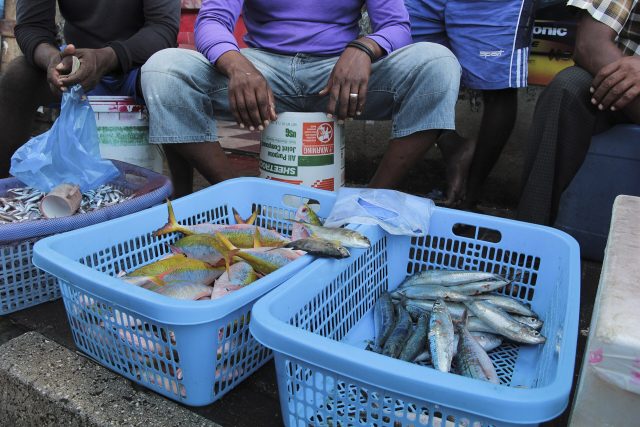
Designed as a residential area, it now attracts travelers seeking an alternative to expensive resorts. You can rent a budget room, borrow a bicycle, and explore freely. The beach has no loungers, but you can bring a towel and sit under a palm. Local cafes serve grilled fish, curry, coconut flatbread, and drinks at reasonable prices.
Hulhumalé shows the Maldives without the gloss. No five-star hotels or picture-perfect beaches—just real life. It doesn’t try to be perfect. It just is, welcoming anyone who comes. Here, time moves slowly, and every sunset feels special. For those tired of travel brochures, it offers the Maldives as they are.