Sunny Beach is one of those rare places where the sea meets the land without fanfare, as if time itself has slowed to a gentle rhythm. Tucked away in the quiet village of Utyos along the Black Sea coast, it feels worlds apart from the crowded resorts with their bustling promenades and endless entertainment. Here, simplicity takes center stage: a narrow strip of pebbles, the soft murmur of waves, the scent of salt and seaweed mingling with the pine forest that edges right up to the shore. In summer, the water warms to a comfortable temperature, while in spring and autumn, the sea becomes especially clear, revealing the stones and shells beneath the surface.
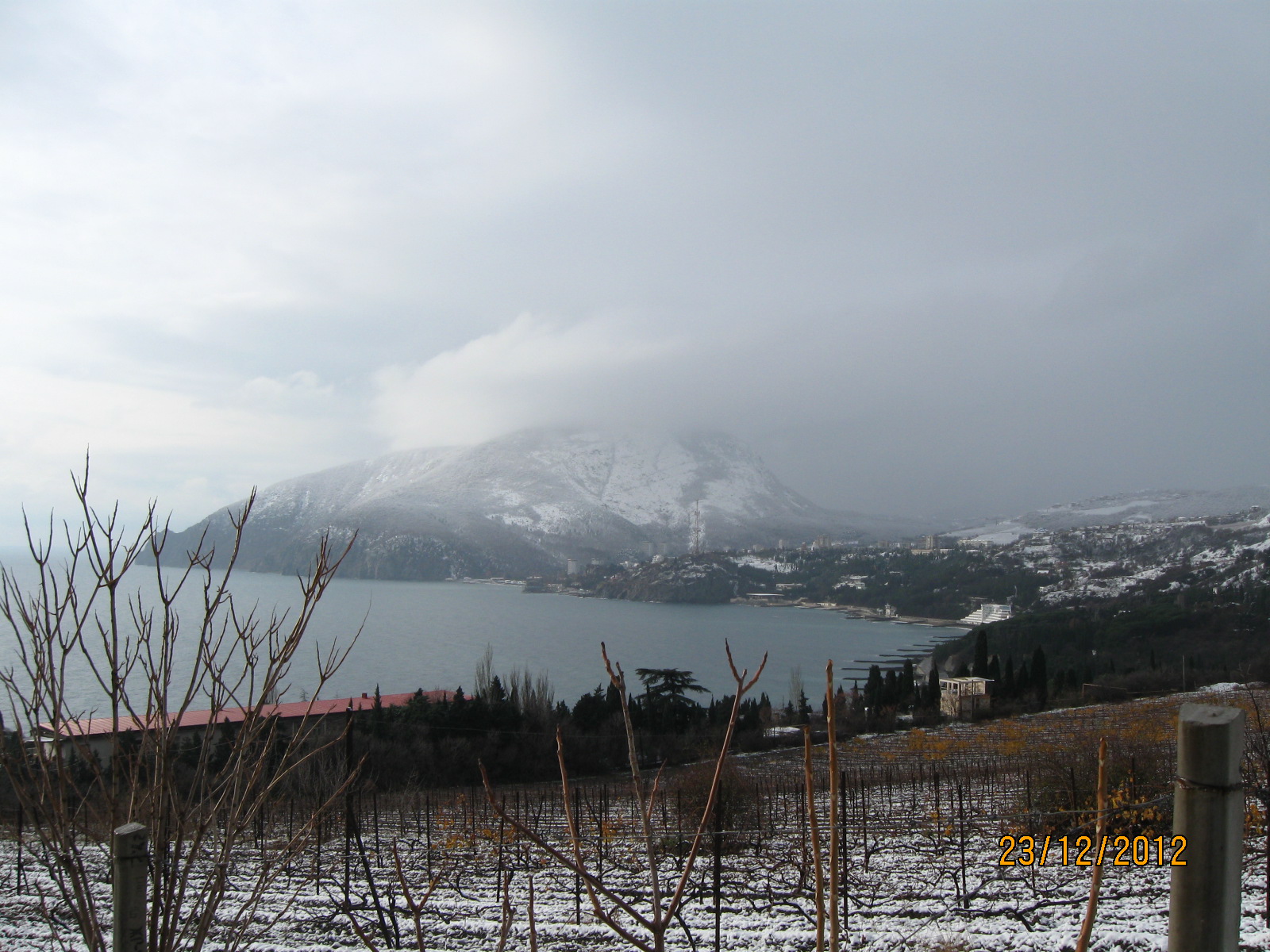
Utyos isn’t a resort town—it’s a retreat for those who’ve grown weary of the noise. The village sprawls across low hills, offering views of the sea that feel like living paintings: a stretch of blue framed by green slopes, with the distant silhouettes of mountains on the horizon. Sunny Beach sits at the heart of this landscape, accessible via a winding path that snakes between houses and gardens. The locals have long been accustomed to visitors, but they’ve never tried to turn their home into a tourist attraction. There are no rented sun loungers, no blaring music, no pushy vendors—just the quiet hum of everyday life.
The history of Utyos is deeply tied to the sea. In the 19th century, this area was part of an estate owned by a noble family who favored its climate for summer retreats. Later, during the Soviet era, the village became a haven for those seeking solitude—artists, writers, and scientists among them. Some say that figures whose names are now well-known spent their summers here, by the shore. Sunny Beach itself hasn’t preserved any traces of that time, but the air still carries a sense of calm and creative energy, as if the past lingers in the breeze.
The beach is small, stretching just a few hundred meters. The pebbles here are finer than those in Sochi or Gelendzhik, making it comfortable to walk barefoot. The water is clean, especially if you wade out a little, where the seabed drops away. On calm days, the sea mirrors the sky and the cliffs, turning into a vast, shimmering expanse. When the wind picks up, the waves crash against the rocks with a sound that feels like nature’s own symphony. Local fishermen sometimes set out in small boats, their silhouettes against the sunset becoming a familiar part of the scene.
In summer, the beach draws visitors, but never to the point of feeling crowded. There are no throngs of people claiming every inch of sand—just small groups spreading out their towels on the pebbles, soaking in the quiet. Children play at the water’s edge, building castles from stones, while adults read or simply lie back, watching the sky. Evenings are especially peaceful, with the sun dipping below the horizon. Sometimes, locals light bonfires, and the scent of grilled fish and woodsmoke drifts along the shore.
Autumn and spring are the quietest seasons here, and perhaps the most rewarding for those who prefer solitude. The sea takes on a different character in these months—sometimes gray and stormy, other times emerald green when the sun breaks through the clouds. In October, dolphins can occasionally be spotted near the shore, while in spring, flocks of seagulls wheel overhead. Winter transforms the beach almost entirely, leaving it nearly deserted. Yet even then, it doesn’t lose its charm. The waves crash against the rocks with a raw power, and the wind sweeps through the pines, creating a sense of untouched wilderness.
The architecture of Utyos is unassuming but full of character. Most of the houses are small, one or two stories tall, many built in the mid-20th century. Some cling to the hillsides, their terraces overlooking the sea, while others hide among lush gardens. There are no towering hotels or modern complexes—everything feels as if it’s been frozen in time for the past fifty years. Even the cafes and shops are modest, without flashy signs or advertisements, adding to the village’s understated appeal.
Sunny Beach isn’t for those seeking excitement or nightlife. There are no water slides, no restaurants with live music, no bustling clubs. But that’s precisely why it draws people—those who are tired of the noise and just want to be alone with the sea, the sun, and their thoughts. It’s a place where you can lose track of time, listening to the waves and letting your mind wander. Maybe that’s why visitors keep coming back—not for luxury or novelty, but for the rare sense of peace that’s so hard to find in the modern world.