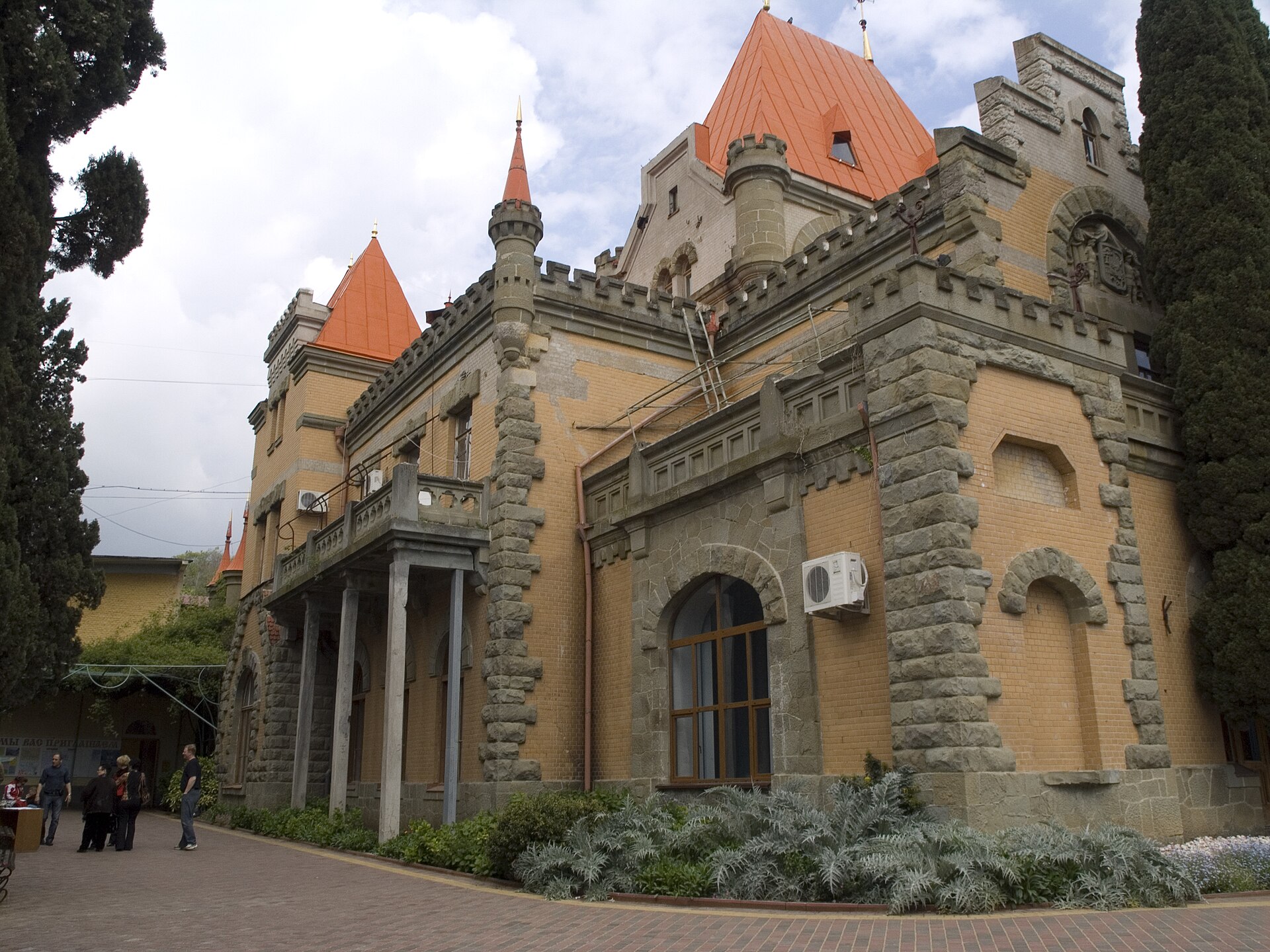
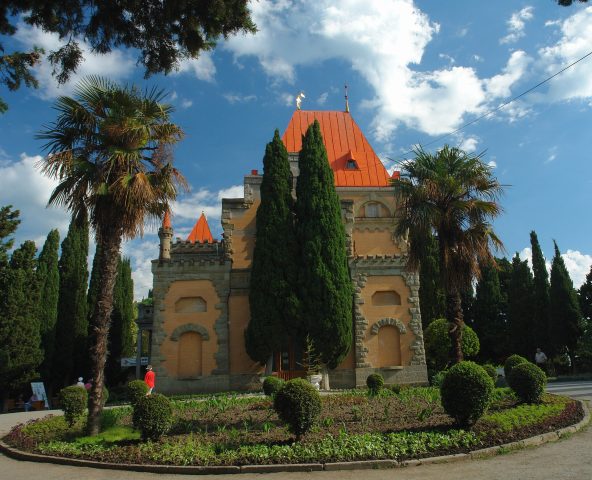
Perched on the high banks of the Volga, the Palace of Princess Gagarin is one of those rare places where history doesn’t just linger—it breathes. Built in the late 19th century, the estate overlooks the river with a view so vast it seems to stretch beyond time itself. The palace, with its weathered facades and once-grand interiors, feels like a silent witness to an era that has long faded but refuses to disappear entirely. The trees in the surrounding park still stand as they did over a century ago, their branches swaying over paths that once echoed with the footsteps of artists, diplomats, and thinkers.
The architecture of the palace is a curious blend of European elegance and something distinctly Russian. The main building resembles an Italian villa, with its airy proportions and graceful lines, yet there’s a warmth to it that feels familiar, almost intimate. Tall windows let in streams of light, wrought-iron balconies add a touch of delicacy, and the columns supporting the porticos give the structure a sense of quiet dignity. Inside, if the surviving accounts are to be believed, the interiors were just as refined—marble fireplaces, intricate parquet flooring, and ceiling frescoes that once dazzled guests. Time has worn away much of the original splendor, but enough remains to imagine the palace in its prime.
Princess Maria Gagarin, the woman behind the estate, was no ordinary figure of her time. The wife of a diplomat and patron of the arts, she moved in circles that shaped the cultural life of St. Petersburg and Moscow. Summers were spent here, in this riverside retreat, where she hosted gatherings that brought together writers, musicians, and intellectuals. It’s said that some of the ideas discussed within these walls later found their way into the salons of the capital. The palace wasn’t just a summer home—it was a place where the mood and tastes of an era were quietly forged.
Today, the palace stands as a shadow of its former self, but even in its decay, it tells a story. The park, though overgrown, still holds traces of the past—alleys where guests once strolled, outbuildings like the stables and greenhouses that once bustled with activity. Autumn is perhaps the best time to visit, when the Volga turns fierce and majestic, and the trees blaze with gold and crimson. In such moments, the palace feels suspended in time, as if the past isn’t as distant as it seems.
This isn’t a museum in the traditional sense. There are no guided tours, no plaques explaining the history, no roped-off exhibits. Instead, it’s a place for those who prefer to explore on their own, to wander through empty halls and imagine the music that once filled them, or to sit by the river and ponder the lives that passed through these walls. The palace feels almost expectant, as if waiting for someone to breathe life back into it, even if just for a little while.
The village of Utës itself is small, but its location on the high banks of the Volga gives it a grandeur that belies its size. In summer, it attracts those seeking solitude; in winter, visitors come to see the river frozen and the landscape blanketed in snow. The palace plays a central role in this setting, acting as a bridge between past and present. It’s a reminder that history isn’t just about dates and events—it’s about people, their dreams, their mistakes, and the legacies they leave behind.
The palace’s history hasn’t been kind. After the revolution, it was nationalized and repurposed—first as a sanatorium, then a children’s home, and later a military hospital. Each new use left its mark, not always gently. Today, the building is in a state of disrepair, its future uncertain. Yet even now, it draws those who are drawn to beauty and history, who see beyond the cracks and the peeling paint to the stories still held within its walls.
If you come here, don’t expect the usual tourist experience. There are no souvenir shops, no cafes, no guided itineraries. What you’ll find instead is a place that demands patience and curiosity. It’s an opportunity to see the Volga as it was a hundred years ago, to feel the weight of time, and perhaps to catch the faintest echo of the conversations that once filled these rooms. The Palace of Princess Gagarin isn’t just a monument—it’s a living piece of history, one that’s still being written.