Nyali Beach is one of those places along Kenya’s coast where the Indian Ocean meets the shore as if time itself has slowed to a gentle rhythm. Stretching north of Mombasa, it unfolds in a long, pale ribbon of sand, lined with coconut palms and low shrubs that sway in the breeze. Unlike the busier resorts of Diani or Watamu, Nyali retains a quiet, almost intimate feel—less a tourist hotspot, more a place where the ocean sets the pace. There are no crowds here, no loud beach bars or persistent vendors, just the steady pulse of tides, the whisper of waves, and the salt-tinged wind that softens even the midday heat.
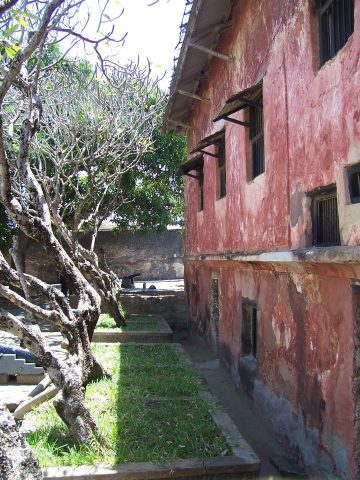
The history of Nyali is woven into the broader story of Mombasa. Centuries ago, these shores were part of the trade routes used by Arab merchants carrying spices, ivory, and enslaved people across the ocean. Later, during the colonial era, the area became a retreat for British officers and administrators, who built the first European-style villas along the coast. Today, only a few of those old structures remain, scattered among modern hotels, but the sense of something deeper—something beyond just a beach—still lingers in the air.
The sand at Nyali is soft and nearly white, though after heavy rains it can darken where clay washes down from the land. The water near the shore is clear, with a faint turquoise tint, but further out, where the coral reef begins, it deepens into a rich blue. The reef here isn’t as dramatic as those near Malindi or Lamu, but it’s enough to break the waves and create a sheltered spot for snorkeling. Still, the coral is sharp, and the currents can be unpredictable, so it’s best to wade carefully. Sometimes, local fishermen glide past in traditional dhows, their wooden hulls and triangular sails cutting through the water as they cast their nets or return with the day’s catch.
A narrow promenade runs along the beach, best explored in the early morning or as the sun dips toward the horizon. There are no grand boulevards lined with cafes here—just a handful of small stalls selling fresh fruit, coconuts, and grilled fish. Occasionally, women in bright kangas spread out handmade jewelry and shells on woven mats, their voices blending with the sound of the waves. If you’re lucky, you might hear the soft, watery notes of a kalimba, the traditional thumb piano, drifting through the air. In the evenings, bonfires flicker to life, and if you’re inclined to join, you might find yourself pulled into a circle of locals singing and dancing to the rhythm of drums.
Nyali isn’t just a stretch of sand—it’s part of a wider landscape where the ocean gives way to mangroves and salt flats. Just a few kilometers inland, wetlands teem with birds, and during the rainy season, antelope and even buffalo come to drink. For those looking to step away from the beach, the nearby Mombasa Marine National Park offers a chance to see dolphins, sea turtles, and colorful fish, though the experience depends on the weather and the time of year.
Life here moves at its own unhurried pace. Mornings begin early, with fishermen heading out as the first light touches the water and local children splashing in the shallows before the heat sets in. By midday, the beach empties—tourists retreat to the shade of their hotels, while locals rest under palm-frond shelters. As the sun lowers, the shore comes alive again: games of volleyball, groups gathered around fires, and the occasional lone figure sitting at the water’s edge, watching the sky turn gold and pink. If you look closely, the waves sometimes shimmer with bioluminescence, a faint glow that makes the ocean seem almost magical.
What sets Nyali apart from more polished resorts is its authenticity. There’s no sense of a stage set for tourists here. Alongside the hotels and restaurants, ordinary homes stand, and the people who live here haven’t become performers in some coastal spectacle—they’re just going about their lives. You’ll see women washing clothes in the surf, men mending fishing nets, and elders sitting by the water, smoking hand-rolled cigarettes. It’s not a curated experience; it’s just life, unfolding as it always has.
Of course, like anywhere along Kenya’s coast, Nyali has its challenges. During the rainy season, the beach can flood, and the water turns murky with silt carried down from the land. Sometimes, seaweed or debris washes ashore, though efforts are made to keep the area clean. The tides can also be strong, making swimming risky for those who aren’t familiar with the currents. But these are small things, easily outweighed by the sense of place. Nyali isn’t just a destination—it’s a reminder of how the ocean shapes lives, cultures, and histories, and why, for so many along this coast, the sea is more than just water. It’s home.