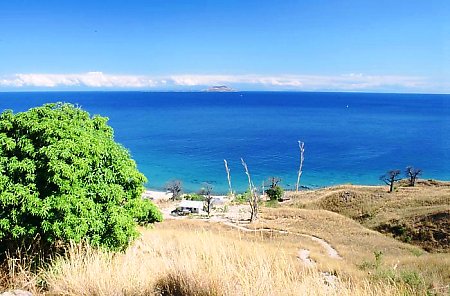
Mambe Beach on Likoma Island is one of those rare places where the world slows down. There are no crowded promenades, no blaring music from beach bars, no vendors insisting you try a jet ski. Instead, there’s silence—broken only by the rustle of palm fronds and the gentle lap of Lake Malawi against the shore. The water here shifts between turquoise and deep blue, so clear you can see the sandy bottom even from a distance. The sand itself is soft and pale, almost powdery underfoot, stretching along the shore in an unbroken line. In the distance, fishing boats drift lazily, their silhouettes dark against the morning light as they return with the day’s catch.
Likoma Island is an unusual place in its own right. Though it sits closer to Mozambique in the middle of Lake Malawi, it belongs to Malawi—a tiny speck of land where life moves at its own pace, governed by the rhythms of nature and tradition. Mambe Beach is one of the few spots on the island where you can truly feel cut off from the rest of the world. There are no paved roads here, just narrow paths winding through baobab trees and thickets, leading to the nearest village. Getting around means walking or cycling, and even that feels like part of the experience.
The history of Mambe Beach is tied to the island’s past. Likoma has long been a crossroads, a place where traders, missionaries, and travelers stopped on their way between the African interior and the coast. For centuries, the island’s people traded fish, ivory, and other goods, and its shores saw the comings and goings of those passing through. When the British established the Nyasaland Protectorate, Likoma became part of it, and later, independent Malawi. But despite the changes, Mambe Beach has remained much the same—wild, quiet, and untouched by time.
There’s no grand architecture here, no luxury resorts or cliffside restaurants. Instead, you might find a handful of simple huts made from palm leaves and clay, where travelers can spend the night if they’re lucky. Some locals rent out rooms in their homes, but it’s not common. Most who come here prefer to camp on the beach, pitching tents under the stars and falling asleep to the sound of waves. At night, the sky is breathtaking—the Milky Way stretches overhead, and the distant lights of fishing boats flicker on the water like fireflies.
Mambe Beach isn’t for those seeking entertainment or comfort. There are no pools, no restaurants, not even proper toilets. But that’s exactly what makes it special. This is a place for people who want to be alone with nature, to feel its raw beauty and power. You could spend an entire day in a hammock between two palm trees, watching the water change color as the sun moves across the sky. Or you could walk along the shore, where birds hide in the reeds and small fish dart through the shallows.
Lake Malawi is one of the deepest lakes in the world, and its waters teem with life. Over a thousand species of fish call it home, many found nowhere else. Local fishermen still use traditional methods, casting nets from dugout canoes that have been passed down through generations. If you’re up early, you might see them return at dawn, the sky painted in soft pinks and oranges as they bring in their catch. Sometimes, they’ll sell fresh fish right on the beach, grilled over an open fire—a simple meal that tastes better than anything you’d find in a restaurant.
Life on Likoma moves slowly. There’s no rush, no need to be anywhere in a hurry. The island’s people live much as their ancestors did—farming cassava and maize, fishing, gathering fruit from the trees. They’re friendly but not intrusive. If you strike up a conversation, they’ll happily share stories about their traditions and way of life. But if you’d rather be left alone, no one will disturb you.
Mambe Beach is more than just a place on a map. It’s a state of mind. Here, you can forget about time, about the outside world, about everything except the sound of waves and the feel of sand between your toes. You can sit on the shore and watch the water, or think about nothing at all. It’s a place where nature reminds you how vast and beautiful the world really is—and why some people keep coming back.