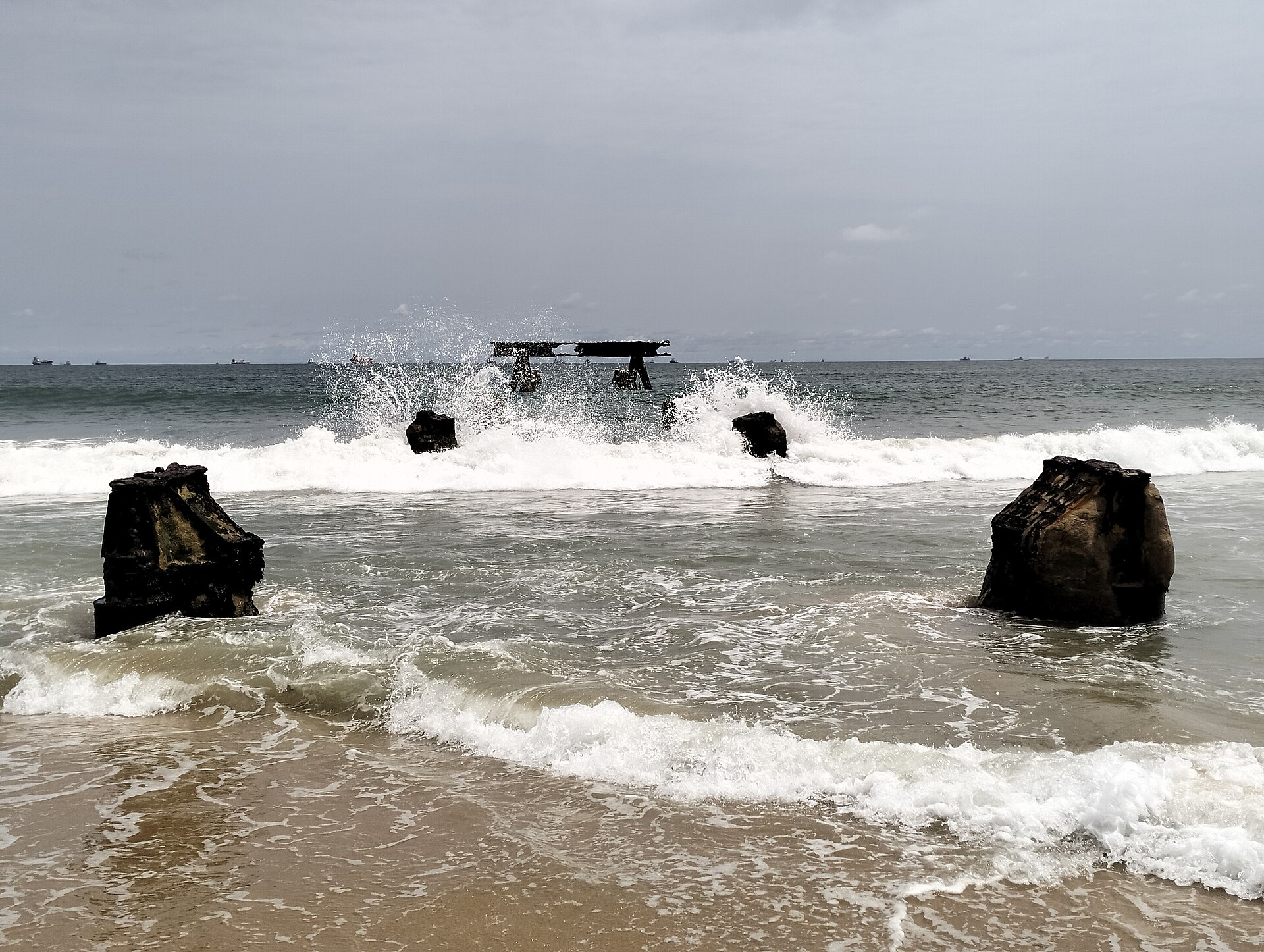
Lomé’s coastline is where the city exhales. The long stretch of sand that runs along the Gulf of Guinea is more than just a place to swim or sunbathe—it’s the quiet pulse of daily life in Togo’s capital. Here, the Atlantic doesn’t crash dramatically against cliffs or hide behind resort fences. Instead, it rolls in gently, its waves lapping at the shore in a rhythm that feels almost deliberate, as if the ocean itself is taking its time.
The beach begins where the city’s grid of streets dissolves into open space. To the east, near the port, the sand is wider, the horizon unbroken except for the occasional freighter anchored in the distance. This is where fishermen bring in their catches at dawn, their wooden pirogues painted in faded blues and reds, the hulls patched with whatever materials were at hand. The men work quickly, sorting fish into baskets while women in brightly patterned wraps haggle over prices. By mid-morning, the catch is gone, and the beach belongs to everyone else.
Further west, the atmosphere shifts. The sand narrows, pressed between the ocean and the low-slung buildings of the city center. This is where Lomé’s residents come to escape the heat, not in tour groups or with rented umbrellas, but in the way people have always used public spaces—casually, without ceremony. Children chase each other along the water’s edge, their laughter mixing with the cries of gulls. Old men sit on plastic chairs, playing checkers on boards drawn in the sand. Teenagers gather in clusters, their phones forgotten for once, as they dare each other to wade deeper into the waves.
The architecture along the beach is unassuming, almost provisional. Small bars and grilled-fish shacks line the promenade, their corrugated metal roofs rusted by the salt air. Some have been here for decades, their walls covered in peeling posters for long-forgotten events. Others appear overnight, set up by vendors who arrive with little more than a cooler of drinks and a charcoal grill. The food is simple—grilled tilapia, spicy plantains, cold Flag beer—but it’s the kind of meal that tastes better eaten with your fingers, the ocean breeze carrying away the heat of the chili.
History lingers here, though not in the way it does in museums or monuments. The beach was once a colonial playground, where French administrators and merchants built villas with wide verandas overlooking the sea. Few of those buildings remain, but their ghosts are in the layout of the streets, in the way the city turns its back to the water in some places and faces it in others. During Togo’s struggle for independence in the 1950s, the beach was a meeting place for students and activists, a rare stretch of open ground where people could gather without drawing suspicion. Today, it’s still a place where the city’s tensions and hopes play out in small, everyday ways.
The light along the coast is different from anywhere else in Lomé. In the late afternoon, the sun hangs low over the water, turning the sand gold and the waves into liquid mercury. The air smells of salt and woodsmoke, of fried fish and the faint, sweet tang of palm wine. As dusk falls, the beach doesn’t empty so much as it transforms. The fishermen return, their lanterns bobbing like fireflies along the shore. Couples walk slowly, their shadows stretching long behind them. The bars fill up, not with tourists, but with locals unwinding after work, their voices rising and falling in a mix of Ewe, French, and Mina.
There are no grand hotels here, no beachfront resorts with infinity pools. The few guesthouses that dot the coastline are modest, their rooms small but clean, with windows that let in the sound of the waves. Staying in one feels less like a vacation and more like being let in on a secret—that Lomé’s beauty isn’t in its grand gestures, but in the way it lets you slip into its rhythm. You wake up to the sound of the tide, spend the day wandering between the water and the city, and fall asleep to the distant hum of the port.
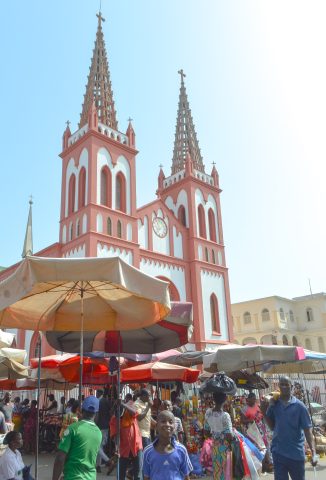
The beach is also where the city’s contradictions are most visible. Just a few hundred meters from the sand, the streets of Lomé are crowded and chaotic, the air thick with exhaust and the noise of motorcycle taxis. But here, the ocean washes away the edges, softening the city’s rougher realities. It’s a place where wealth and poverty exist side by side without apology—a vendor selling handmade jewelry next to a man repairing a fishing net, a group of office workers in pressed shirts sharing a bench with a family who has come to spend the day.
What makes Lomé’s beach special isn’t any single feature, but the way it refuses to be just one thing. It’s a workplace and a playground, a place of solitude and of community. It’s where the city meets the sea, not with fanfare, but with the quiet understanding that some things don’t need to be announced. The waves keep coming, the sand keeps shifting, and life goes on, unhurried and unscripted. That’s the real draw—knowing that for a little while, you can be part of something that feels both vast and intimate, a place where time moves differently, and the ocean is always there to remind you of that.