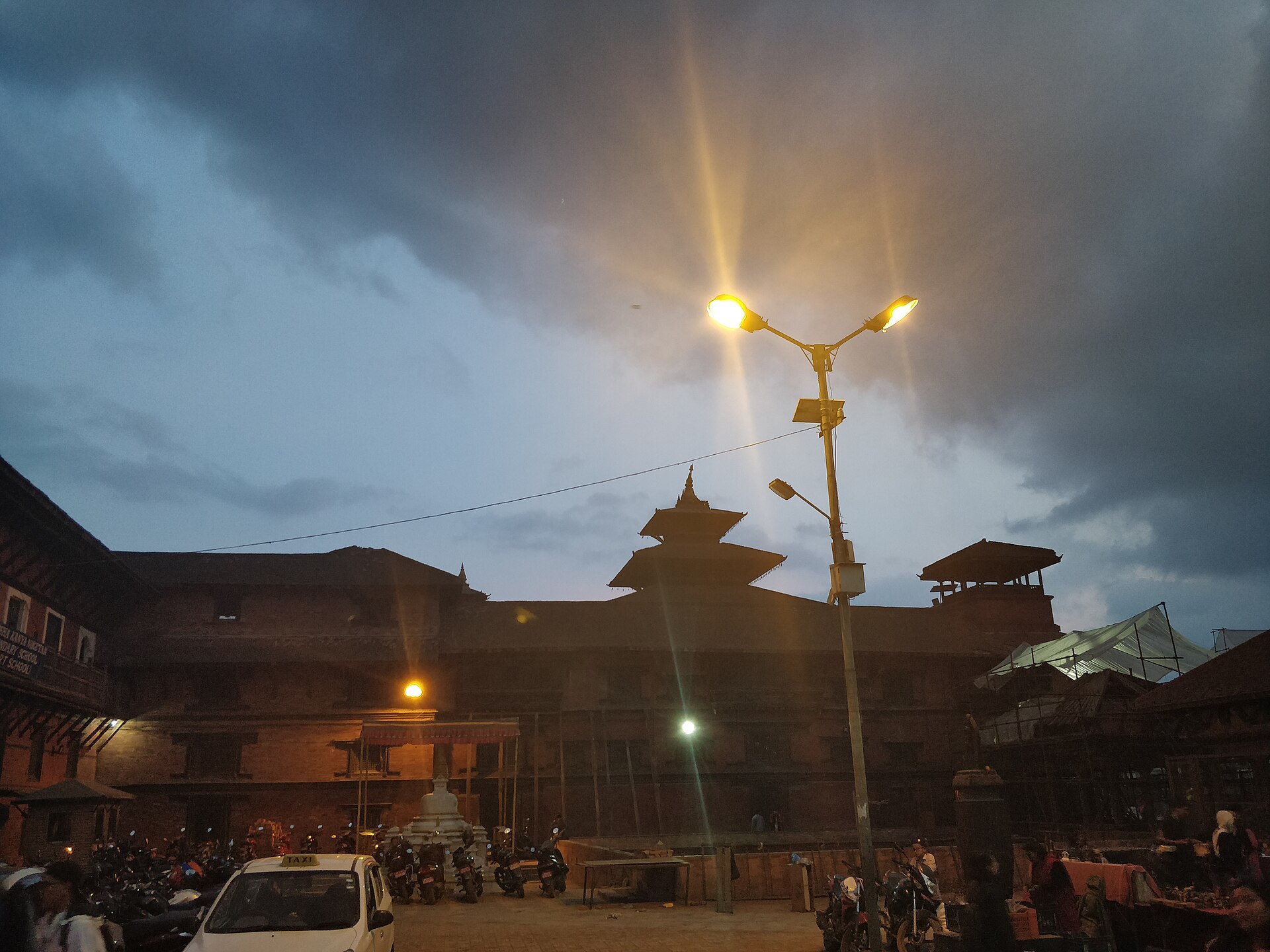
Photo: Harsh Mahaseth, CC BY-SA 4.0
Patan Durbar Square
out of 5 0 ratingsPatan Durbar Square is the quiet pulse of Lalitpur, one of the three ancient royal cities nestled in the Kathmandu Valley. Unlike the bustle of the capital, this place moves at its own unhurried pace, where centuries-old temples and palaces stand as silent witnesses to the passage of time. The square is framed by intricately carved wooden windows, towering pagodas with tiered roofs, and stone structures that blend Hindu and Buddhist influences into a single architectural language. It’s not just a historical site—it’s a living part of the city, where locals still gather for rituals, haggle at the market stalls, and meet under the shade of ancient trees.
The square took shape in the 17th century, when Lalitpur was the capital of the Malla kingdom. Rivalry between the Malla rulers drove them to outdo one another in grandeur, and Patan Durbar became the crown jewel of that era. At the heart of the complex stands the old royal palace, a sprawling structure with three inner courtyards, each serving a distinct purpose. Mul Chowk, the first, was once the stage for religious ceremonies, its walls adorned with faded murals and wooden pillars carved with deities. Sundari Chowk, the second, held the kingdom’s treasures, its sunken bath and delicate stonework hinting at the opulence of the past. Keshav Narayan Chowk, the third, was where the rulers retreated, its quiet corners offering respite from the demands of power. Today, these courtyards remain open, their details worn smooth by time but no less striking.
One of the square’s most remarkable structures is the Krishna Mandir, built in 1637. Unlike the pagodas that dominate Nepal’s skyline, this temple follows the shikhara style of northern India, its stone facade carved with scenes from the Mahabharata and Ramayana. The craftsmanship is so precise that the figures seem to move in the flickering light of oil lamps. Nearby, the Bhimsen Temple honors the Mahabharata’s legendary warrior, revered here as the patron of merchants. According to local lore, Bhimsen appeared in a dream to one of the Malla kings, demanding a temple in his name—and so it was built, its steps worn down by generations of traders seeking his blessing.
Patan has long been a city of artisans, where skills in metalwork, woodcarving, and stone masonry have been passed down through families for centuries. The square itself is a testament to this tradition, with many of the surrounding buildings still housing workshops where craftsmen shape bronze into statues, carve wood into intricate masks, or hammer silver into delicate jewelry. Some of these pieces end up in the small shops that line the square, where you might catch a glimpse of a master at work, his hands steady as he brings a deity to life. The connection between the past and present is tangible here—these are not just souvenirs, but objects of devotion and craftsmanship.
The rhythm of life on the square shifts with the sun. Mornings are quiet, the air cool and still as vendors set up their stalls and locals make their way to the temples with offerings of flowers and incense. By midday, the square hums with activity—tourists wander between the temples, children dart across the stone pathways, and elderly men sit on the low walls, sharing stories or simply watching the world go by. As evening falls, the golden light softens the edges of the buildings, and the scent of burning oil lamps mingles with the earthy aroma of the old bricks. It’s a time when the square feels most alive, yet strangely peaceful, as if the weight of history settles gently over everything.
The 2015 earthquake left its mark on Patan Durbar, damaging some of the oldest structures. Yet the restoration work was done with care, ensuring that the repairs blended seamlessly with the original craftsmanship. Today, the square looks much as it did centuries ago, though a closer look reveals subtle signs of healing—the fresh mortar in the cracks, the reinforced foundations. These imperfections don’t detract from the place; if anything, they make it feel more real, a reminder that history isn’t frozen in time but continues to unfold.
For anyone trying to understand Nepal beyond the guidebooks, Patan Durbar offers a glimpse into the country’s soul. It’s where religion, art, and daily life intersect, where every carved doorway tells a story and every temple courtyard holds a quiet secret. You could spend hours wandering the narrow alleys that branch off the square, peering into hidden shrines or watching artisans at work. Unlike Kathmandu, where the energy can feel overwhelming, Lalitpur moves at a gentler pace, its charm lying in its authenticity. There are no grand performances here, no staged experiences—just the slow, steady heartbeat of a city that has seen empires rise and fall, yet remains unchanged in its essence.
Day around this place
Where else to go on the same day
Building the day…
Where it is
27.67397, 85.32544