Partenit Mosque is one of those quiet places in Crimea that doesn’t demand attention but leaves a lasting impression. Tucked away on the edge of the small settlement of Partenit, it stands almost at the foot of Mount Ayu-Dag, as if bridging the gap between the peninsula’s ancient legends and the everyday life of the village. The mosque itself is modest in size, but its minaret is visible from a distance, especially at sunset when the light catches its silhouette. The surrounding landscape is classic for the southern coast: vineyards, cypress trees, and houses scattered across the hillsides, with the sea always seeming closer than it really is.
The history of the mosque is intertwined with that of Partenit itself, a place where different cultures have met over the centuries. In medieval times, it was a Greek settlement, and later, after the Crimean Tatars migrated to the Ottoman Empire and some returned in the 19th century, the village became one of the centers of the Muslim community on the southern coast. The mosque was built in the early 20th century, when Partenit was already part of the Russian Empire but still retained its unique character. It wasn’t just a place of worship but a symbol of continuity, a reminder that some things endure even as the world changes around them.
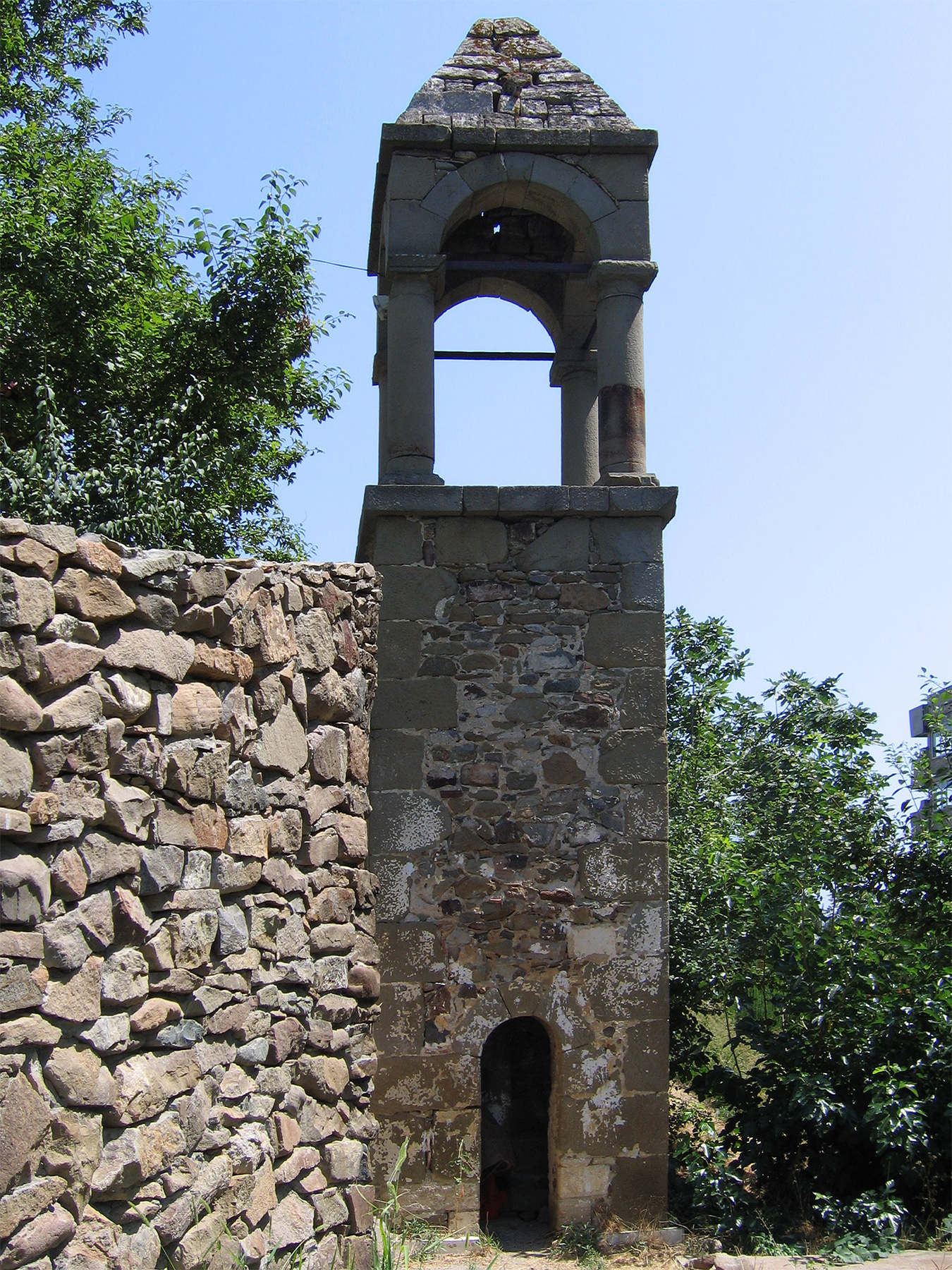
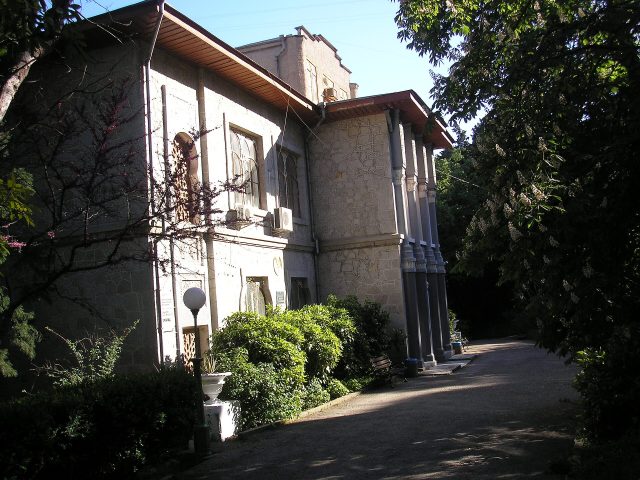
The architecture of the mosque is simple and functional, without unnecessary embellishments, and that’s part of its charm. The building is made of local stone, which has taken on a warm, golden hue over the years. The minaret is low and slender, with a small balcony for the muezzin—more reminiscent of rural Anatolian mosques than the grand towers of big cities. Inside, the space is bright and uncluttered, with wooden beams under the ceiling, carpets on the floor, and a few old chandeliers. There’s a sense of modesty here, but also of thoughtfulness, as if every stone was placed with the intention of lasting.
Partenit Mosque was never a major pilgrimage site or a prominent religious center, but for the locals, it has always held special meaning. During the Soviet era, when many places of worship were closed or destroyed, the mosque survived—perhaps because of its modest status or because the village was too small to attract much attention. After the collapse of the USSR, it returned to its original role, and today, worshippers still gather here, especially on Fridays and during holidays. For visitors, it’s less about architectural grandeur and more about experiencing a living piece of history that continues to exist alongside them.
A visit to the mosque is worth it just to soak in the atmosphere. There are no crowds of tourists, no loud tour guides—just the quiet rustling of leaves, the cries of seagulls, and occasionally the distant sound of church bells from a nearby temple. If you’re lucky, you might hear the call to prayer, the muezzin’s voice drifting over the vineyards and the sea, creating a sense that time moves differently here. The mosque is open to visitors, but it’s important to respect the customs: women should cover their heads, and all guests should be mindful, especially during services.
Partenit itself is an unassuming place, but that’s part of its appeal. Unlike the bustling resorts of the southern coast, where everything is geared toward tourists, life here moves at a slower pace. Fishermen mend their nets, elderly men play backgammon on benches, and children run through the narrow streets. The mosque fits naturally into this landscape, alongside the old Greek church, the ruins of a medieval monastery, and even the modern guesthouses hidden among the greenery. Together, they create a sense of harmony—something rare in a world where many places feel either too artificial or hopelessly abandoned.
If you find yourself in Partenit, don’t rush straight to the sea or the hike up Ayu-Dag. Take a walk through the village, step inside the mosque, and sit on a bench nearby. This might be where you experience what many people come to Crimea for—not the flashy attractions, but the quiet, almost unnoticed charm of places where history and the present exist side by side without getting in each other’s way. The mosque in Partenit isn’t just a building; it’s a witness to time, still standing, still alive.