Karasan is one of those rare places where time seems to slow down, as if the world beyond its borders moves at a different pace. Tucked between the Black Sea and the Crimean mountains, near the quiet village of Partenit, this old park feels like a fragment of another era. There’s no rush here, no need to fill the silence with noise. The land itself—shaped by history, nature, and the hands of those who once called it home—invites you to simply be.
The story of Karasan begins in the 19th century, when these lands belonged to the Raevsky family, a name well-known in Russia’s cultural and intellectual circles. The Raevskys were not just landowners; they were patrons of the arts, friends of poets and thinkers, and their estate became a gathering place for those who shaped the country’s creative spirit. The park they designed was never meant to be a formal garden, rigid and symmetrical. Instead, they worked with the natural contours of the land, planting trees and shrubs in a way that complemented the rugged beauty of the Crimean coast. Over time, the place developed its own character—a blend of southern romance and aristocratic elegance, where every path and every view felt intentional, yet effortless.
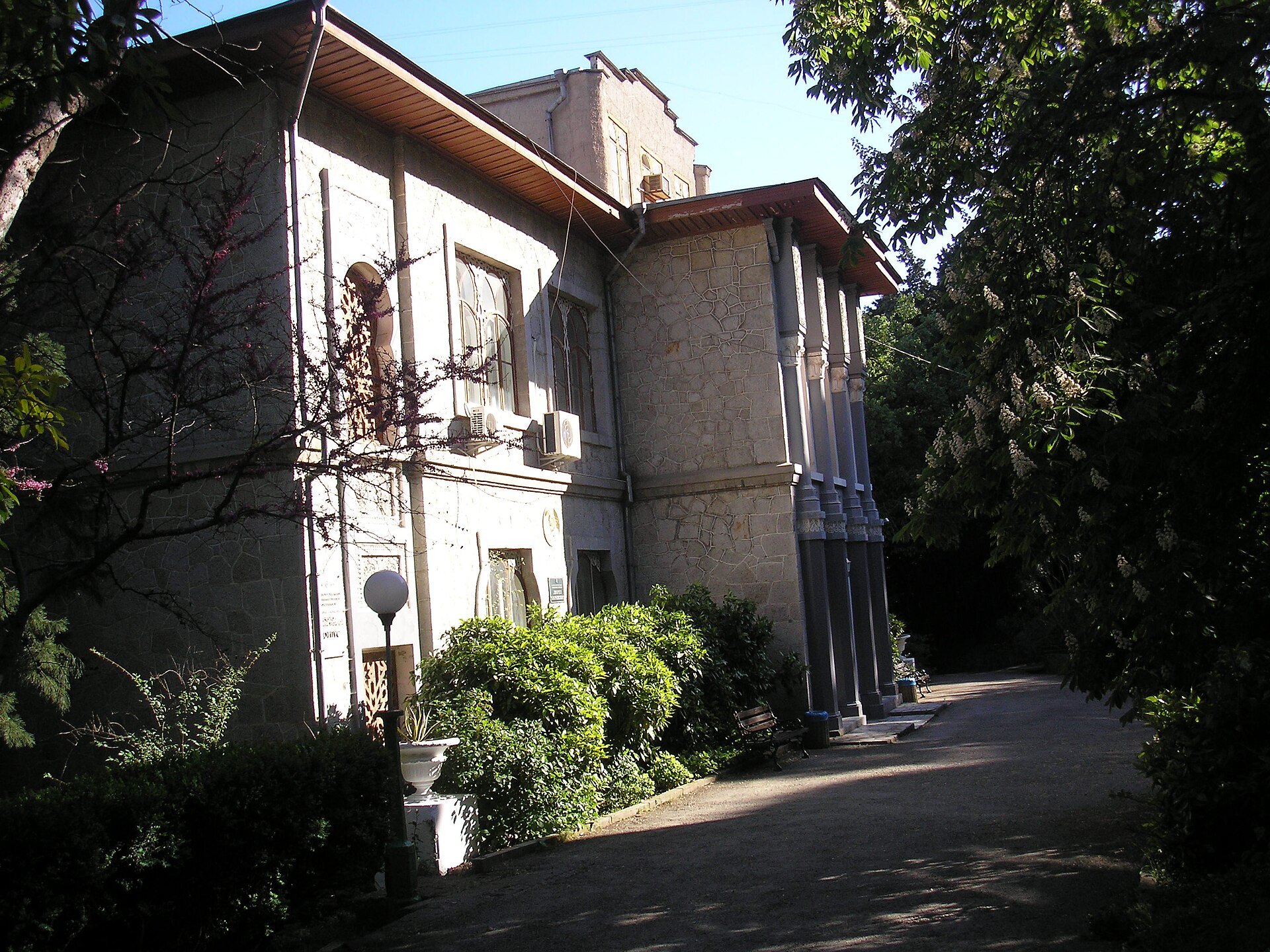
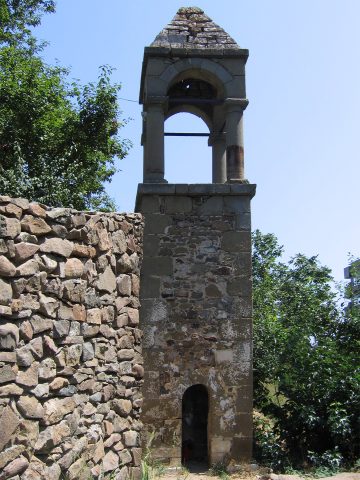
The main house of the estate, though now in ruins, still hints at its former grandeur. Built in a classical style, it once stood as a graceful centerpiece to the park, its white columns and tall windows catching the sea breeze. The surrounding grounds were laid out with care: winding alleys led to hidden clearings, fountains murmured in quiet corners, and pavilions offered shade from the midday sun. Some of these structures remain, their weathered stones and crumbling arches serving as silent witnesses to the past. Walking among them, it’s easy to imagine the estate in its prime—filled with music, conversation, and the clink of tea cups on a summer afternoon.
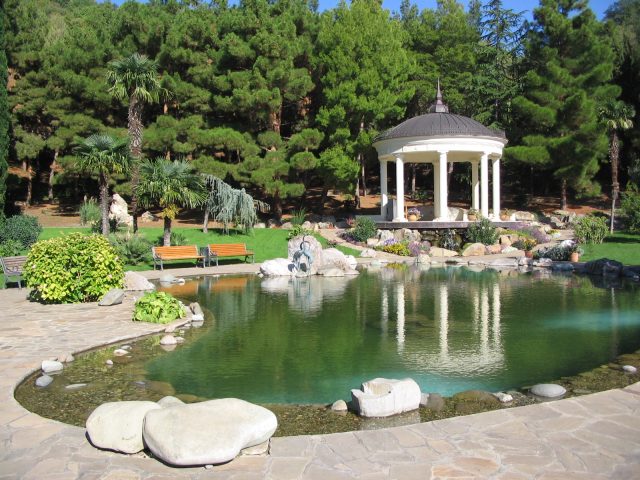
What makes Karasan truly special, though, is its relationship with nature. This isn’t a manicured garden where every plant is labeled and controlled. Instead, it’s a place where nature has been allowed to thrive, even as it was gently guided by human hands. Rare trees and shrubs from around the world were brought here, but they were never forced into unnatural shapes. Instead, they grew alongside native species, creating a landscape that feels both wild and cultivated. Cypress and pine alleys stretch toward the sea, their branches framing views of small pebble coves and the endless blue of the water. In summer, the air is thick with the scent of resin and salt, while the sound of waves mingles with the rustle of leaves and the calls of birds. It’s a place where you can lose yourself in the moment, whether you’re wandering along a shaded path or sitting on a bench, watching the light change over the water.
Karasan has always been more than just a park. Over the years, it became a retreat for those seeking inspiration—writers, artists, scientists, and dreamers who found something here that they couldn’t find elsewhere. The place has a way of making you feel connected to the past, not through grand monuments or museum displays, but through the quiet persistence of nature and the echoes of the people who once walked these same paths. The estate may be in ruins, but the park itself has endured, largely unchanged, as if time here moves in longer rhythms.
Today, Karasan is part of the broader story of Crimea’s southern coast, a region known for its dramatic landscapes and layered history. Yet unlike some of the more famous destinations nearby, it doesn’t draw crowds. There are no souvenir stalls, no guided tours with loudspeakers, no cafes blasting music. Instead, it offers something far more precious: space. Space to breathe, to think, to simply exist without the pressure of ticking off sights or following a schedule. You can spend hours here, wandering from one shaded corner to another, or sitting by the water’s edge, watching the waves roll in. The park doesn’t demand your attention; it merely offers itself, and in return, it asks only that you treat it with the same quiet respect it has shown the land for generations.
What you won’t find in Karasan are the things that often define tourist spots—grand gestures, flashy attractions, or carefully curated experiences. There are no towering sculptures, no artificial lakes, no signs pointing you toward the "must-see" spots. Instead, there’s just the land as it is: trees rooted in the earth, stones worn smooth by time, and the sea stretching out beyond the horizon. It’s this simplicity, this lack of pretense, that makes the place feel so genuine. There’s no need for it to impress you; it already exists, perfectly, on its own terms.
In recent years, Karasan has found its way onto some travel itineraries, as more people discover the quieter corners of Crimea. But those who come here aren’t looking for another checkbox on a list of attractions. They’re looking for something harder to define—a sense of peace, a connection to the past, or maybe just a moment of stillness in a world that rarely slows down. The park doesn’t offer answers or grand revelations. It simply offers itself, as it has for over a century, to anyone willing to step off the beaten path and listen.
Karasan isn’t a museum, nor is it a theme park. It’s a living place, where the past and present coexist without fanfare. There are no strict rules here, no ropes keeping you off the grass or signs telling you where to go. But there is an unspoken understanding: this place has endured because it has been cared for, and it will continue to endure only if those who visit treat it with the same care. Perhaps that’s why it remains so unchanged, so quietly beautiful. In a world that often feels like it’s moving too fast, Karasan is a reminder that some things—some places—are worth preserving, not for their grandeur, but for their ability to make us feel, just for a little while, that we’re part of something timeless.