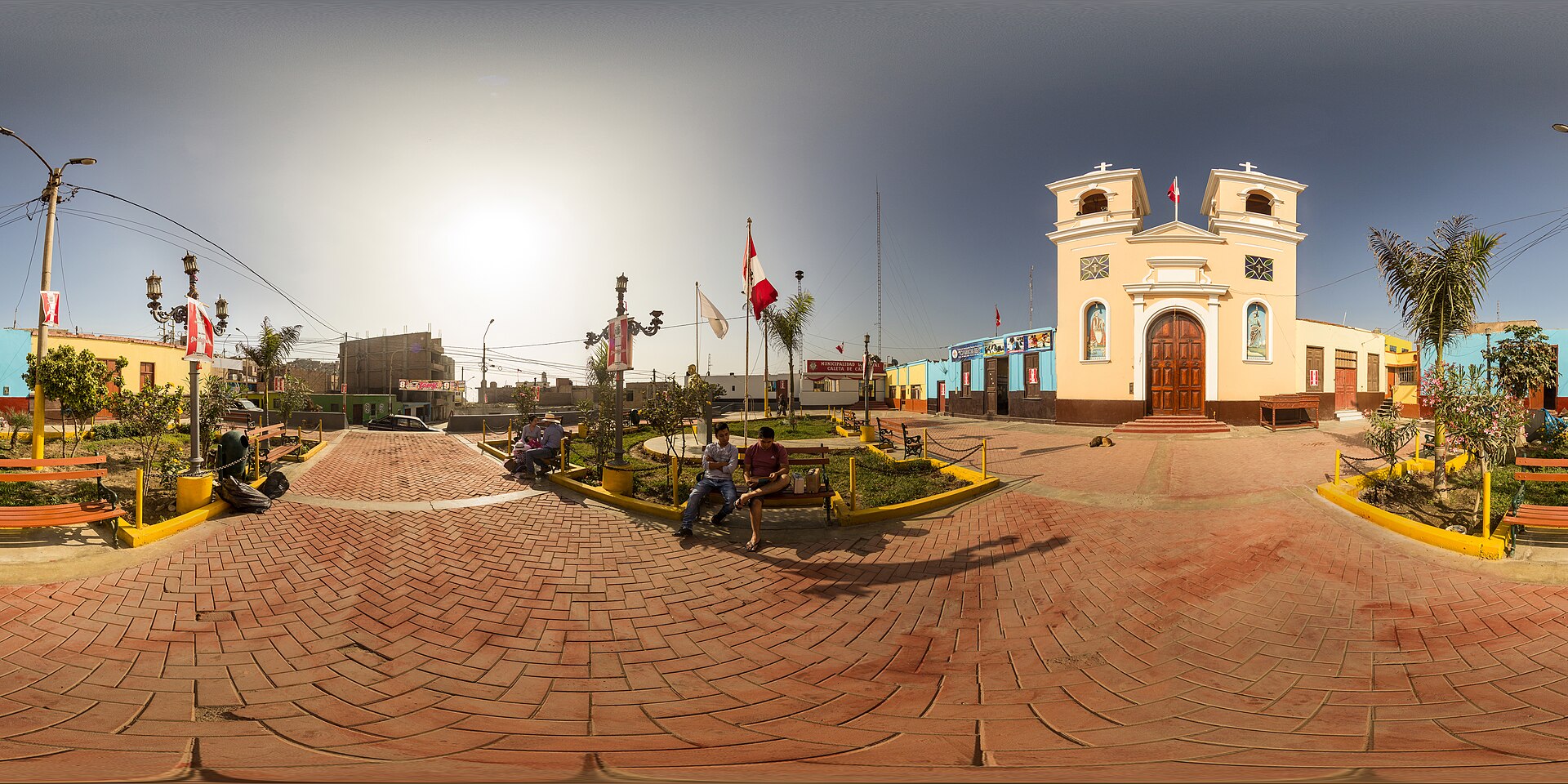
San Martín Park in Huaura is the kind of place that doesn’t announce itself at first glance. Tucked away in the heart of a quiet Peruvian town, it unfolds slowly, revealing layers of history and local life that most travelers overlook. Unlike the grand plazas of Lima or the tourist-packed ruins of Cusco, this park doesn’t draw crowds. There are no souvenir stalls or loud announcements—just the quiet rustle of old trees, the occasional laughter of children, and the faint salt-tinged breeze drifting in from the coast.
Huaura itself is a town shaped by colonial history, and San Martín Park has been its quiet witness since the 19th century. Back then, it was where merchants, travelers, and local elites gathered, a stopping point on the road between Lima and the northern provinces. Today, the park still carries that same unhurried rhythm. Wide pathways wind beneath the shade of mature trees, benches invite lingering conversations, and on weekends, a local band might play in the central square. The surrounding buildings—with their wooden balconies and intricately carved doors—reflect the coastal architecture of Peru, where Spanish influences blend seamlessly with indigenous traditions.
At the heart of the park stands a statue of José de San Martín, the general who led Peru’s fight for independence from Spain. The monument depicts him on horseback, one arm raised as if rallying the people. For Peruvians, this isn’t just a piece of public art; it’s a symbol of the country’s hard-won freedom, a reminder of the early 19th century when the nation broke free from colonial rule. Around the statue, flowerbeds bloom in careful arrangements, tended by locals who take pride in the park’s appearance. In the evenings, families gather here, spreading out blankets on the grass or strolling along the paths.
The park isn’t just a place to walk through—it’s an open-air museum of sorts. Scattered among the greenery are buildings that once played key roles in Huaura’s history. The old municipal hall, for instance, still stands with its thick walls and high ceilings, a relic of the late 1800s. Though it now houses local government offices, its facade remains largely unchanged. Nearby, the former customs house hints at a time when Huaura was a bustling trade hub, connecting Lima to the northern regions. These structures don’t have plaques or guided tours; they simply exist as part of the park’s fabric, quietly telling their stories to those who pay attention.
What makes San Martín Park special is how effortlessly it blends into daily life. There are no curated experiences or tourist-friendly signs—just the natural ebb and flow of the town. Mornings bring elderly locals doing gentle exercises or reading newspapers on benches. By midday, students from the nearby college fill the space, lounging between classes or debating in small groups. As the sun sets, musicians often gather, strumming guitars and playing the cajón, their music weaving through the air like an impromptu celebration. The park doesn’t try to impress; it simply is.
Huaura’s coastal location gives the park a mild, pleasant climate year-round. Summers are cooled by ocean breezes, while winters bring the sweet scent of flowering trees. The park’s greenery—fig trees, palms, and other tropical plants—creates a sense of shelter, a small oasis away from the busyness of the town. Locals often escape here on hot afternoons, seeking shade and a moment of quiet. It’s the kind of place where time feels different, slower, as if the outside world can’t quite reach it.
Though unassuming, San Martín Park is deeply woven into Huaura’s identity. It’s where the town gathers for festivals, parades, and holidays. During Independence Day, the park becomes the heart of celebrations, with marching bands and street food stalls lining the paths. At Christmas, strings of lights transform it into a twinkling gathering spot. For residents, it’s more than just a park—it’s a living part of their history, a place where generations have marked milestones, from first dates to family picnics.
This isn’t a place you visit for dramatic photos or guided tours. It’s where you go to feel the pulse of a small Peruvian town, to sit on a bench and watch life unfold at its own pace. There’s no grandeur here, no polished tourist experience—just the quiet authenticity of a community that has shaped this space over centuries. If you ever find yourself in Huaura, take a moment to step off the main road. Sit under the trees, listen to the sounds of the town, and let the park reveal itself in its own time.