Raja Sulayman Park is one of those places in Manila where history isn’t just remembered—it lingers in the air, in the way the breeze carries the scent of the bay, in the quiet rustle of palm leaves overhead. Tucked away in Tondo, one of the city’s oldest districts, the park sits along the shore where the waters of Manila Bay once lapped against the walls of a fortress that no longer exists. Today, it’s a small, unassuming space with benches and pathways, but if you listen closely, you might catch the faint echoes of a time when this land was the heart of a kingdom, long before Spanish galleons appeared on the horizon.
The park’s name honors Raja Sulayman, the last ruler of the Muslim kingdom of Maynila, whose resistance against Spanish colonization marked a turning point in Philippine history. In the 16th century, this spot was home to Fort Maynila, his stronghold and the stage for one of the first encounters between indigenous leaders and European conquerors. That meeting didn’t just change the fate of the islands—it set in motion centuries of colonial rule. The fortress is gone now, but the park preserves its memory, not just in its name but in the bronze statue at its center, a silent witness to the past.
The statue of Raja Sulayman is the park’s focal point, a striking figure of the young ruler dressed in traditional attire, his sword raised as if ready to defend his land. The monument stands on a simple pedestal, surrounded by a low fence, and from certain angles, it seems to gaze out at the bay where Spanish ships once anchored. Locals often gather here—some to rest on the benches, others to take photos—but tourists are rare. Tondo isn’t the kind of place that makes it into guidebooks, and the park itself is easy to overlook if you don’t know what you’re looking for.
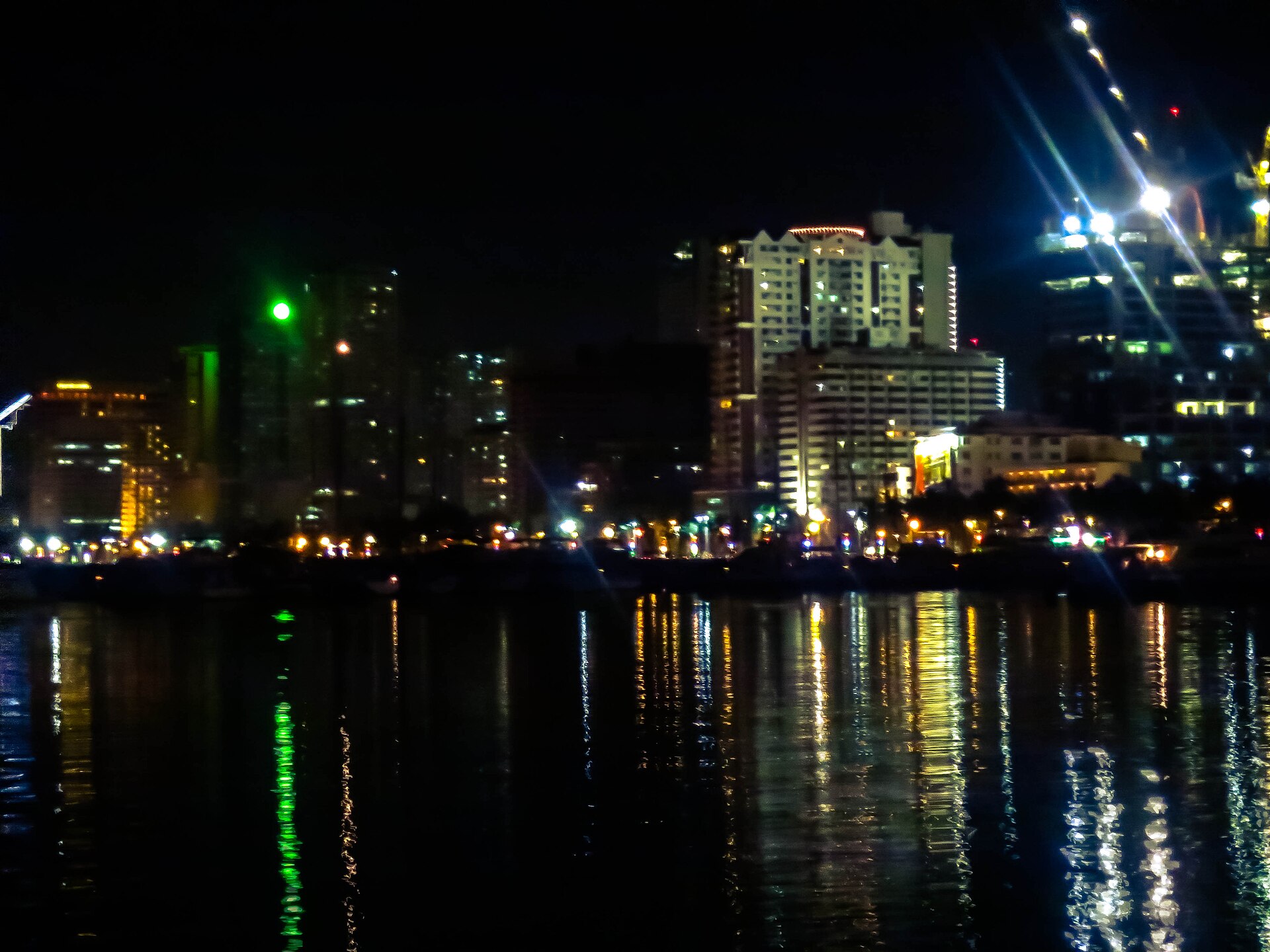
Tondo is Manila at its most raw and unfiltered: a densely packed neighborhood where narrow streets hum with the sounds of daily life, where markets spill onto sidewalks and the air is thick with the smells of grilled fish, saltwater, and exhaust. The park is a small oasis in the middle of it all, a place where the pace slows just enough to let you breathe. From the waterfront, you can watch the sunset paint the bay in shades of gold and pink, a quiet contrast to the chaos just beyond the park’s borders. It’s not a grand or polished space, but that’s part of its charm—it feels lived-in, like a corner of the city that’s been reclaimed by the people who call it home.
For Filipinos, Raja Sulayman is a complicated figure. Some see him as a hero who fought to protect his people, while others view him as a ruler whose decisions led to the loss of their independence. History books mention him only in passing, but in local memory, he endures as a symbol of what might have been. The park named after him isn’t just a tribute; it’s a reminder of how fragile sovereignty can be, and how the legacy of those early conflicts still shapes the country today.
There’s nothing grand about the park’s design. No ornate fountains, no towering monuments—just well-kept lawns, a few trees for shade, and a low seawall that keeps the tides at bay. The waterfront promenade is simple, lined with lampposts that flicker to life as dusk falls. It’s a pleasant place for an evening stroll, though locals will tell you it’s best not to linger after dark. Tondo isn’t unsafe, but like many working-class neighborhoods, it has its rough edges.
What makes Raja Sulayman Park worth visiting isn’t its architecture or its size, but the way it holds onto history without making a spectacle of it. This isn’t a place where the past is neatly packaged for tourists. Instead, it’s woven into the fabric of everyday life—into the conversations of old men playing chess on the benches, into the laughter of children chasing each other along the paths, into the fishermen who sometimes tie up their boats nearby. There are no souvenir stands here, no guided tours, no crowds jostling for the best photo. Just a quiet patch of Manila where the weight of centuries feels a little closer than usual.
If you find yourself in Tondo, take a moment to step into the park. Sit on one of the benches, watch the boats bobbing in the bay, and let your mind wander back to a time when this stretch of water was the gateway to a kingdom. You won’t see anything dramatic—just the same waves, the same sky, the same distant horizon. But if you imagine the conversations that once took place here, the decisions that were made, the futures that were altered, even the most ordinary view takes on a different meaning. Raja Sulayman Park isn’t just a green space in the middle of the city. It’s a small, unassuming piece of history, waiting to be noticed.