Some places let you touch history—not through grand speeches, but in the way the wind moves through the trees or how the sea sounds against the shore. Victory Park is one of them. It runs along the waterfront in a city marked by war, factories, and the slow pace of seaside living. It didn’t appear overnight. It grew, layer by layer, as people added their own stories to the land.
The obelisk stands at the heart of the park. Tall, sharp-edged, it cuts into the sky. Built in the 1970s, it honors those who fought in World War II, though its design doesn’t celebrate victory so much as acknowledge its cost. An eternal flame burns beside it, a tradition in Russian memorials. Visitors leave flowers, stand quietly, or sometimes just watch the fire flicker. It’s been burning since the park opened, a silent marker of battles fought far away but never really left behind.
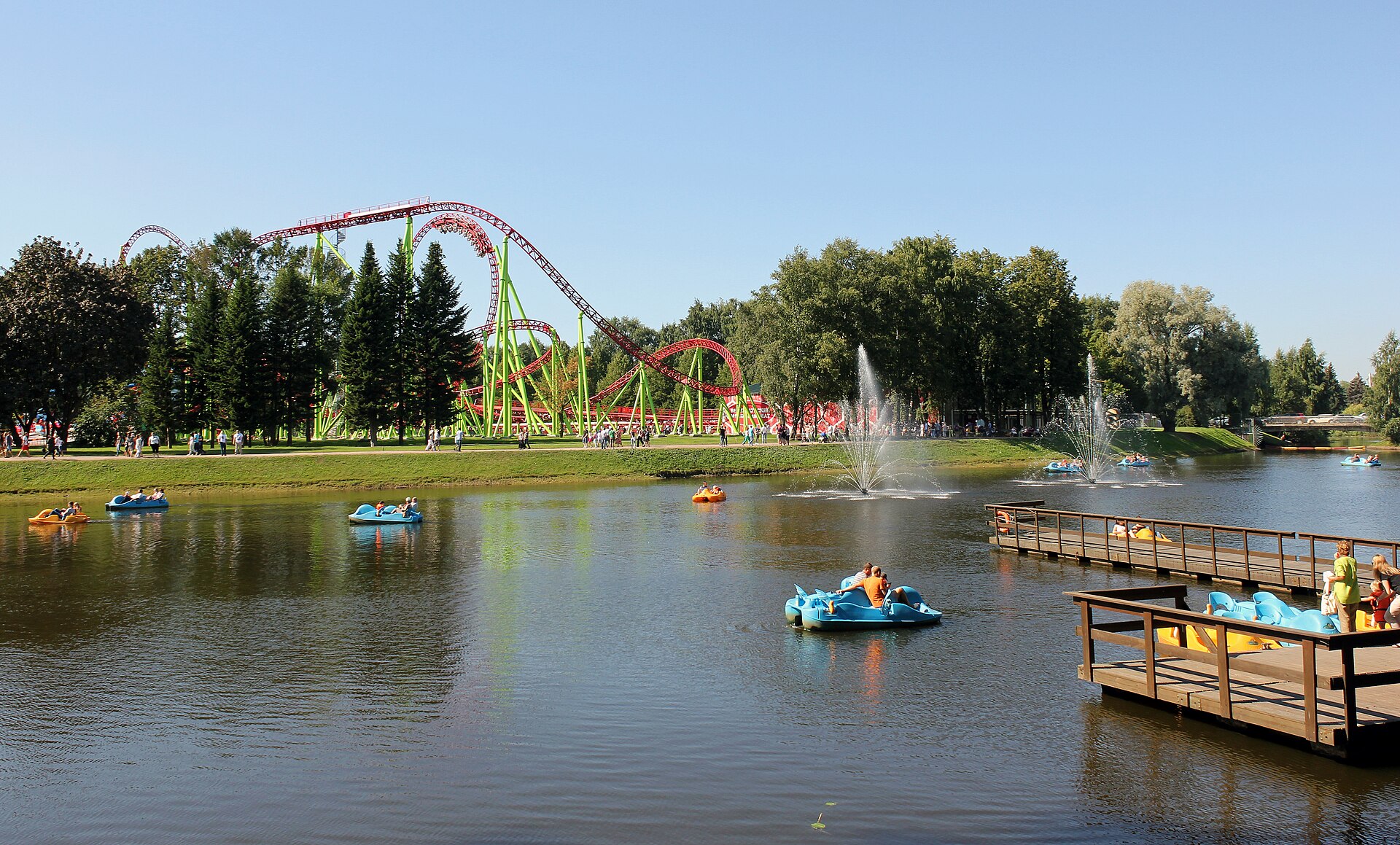
The park spreads out from the obelisk in wide paths and open squares. The layout follows the Soviet style—geometric, deliberate, meant to guide you. But time has softened the edges. Oaks and pines, planted in straight lines, now stretch their branches over the walkways. In summer, their scent mixes with the salt air. This isn’t just a memorial. It’s where people live their daily lives: families walk their dogs, teenagers share headphones on benches, old men play chess under the trees.
The Wall of Memory curves along one side of the park. Bronze plaques cover its surface, each one bearing the name of a soldier from the region who died in the war. It’s not just a list. It’s a barrier, a quiet divider between the park and the city’s noise. On May 9th, Victory Day, it becomes the center of everything—veterans in uniforms, crowds holding photos of relatives who never came home. Even on ordinary days, you’ll see people running their fingers over the names, whispering them like prayers.
A small museum sits near the obelisk. You might walk past it if you’re not looking. Inside, the exhibits tell the local story of the war—photographs, letters, personal items. A leather jacket, worn thin. A dented canteen. A child’s drawing, folded and faded. The museum doesn’t try to explain the whole war. It just shows the people who were part of it.
The park slopes down to the sea. Here, the weight of history feels different. Fishermen stand on the breakwater, casting their lines. Kids run from the waves. Couples walk close together, the water lapping at their feet. At night, the lights from the cafes along the promenade ripple in the dark water. The sound of laughter carries over the waves.
What makes Victory Park unusual is how it fits into the city. It’s not a place set apart. It’s where people cut through on their way to work, where friends meet, where kids ride bikes. Tourists come for the history, but they stay because it feels alive. The past is here, but so is the present—side by side, without apology.
The Black Sea coast has always been a meeting point—of empires, armies, cultures. Victory Park holds that history, but it also holds something quieter: the way people here live with memory. The monuments are cared for, but the park isn’t perfect. Benches are chipped. Paths are worn. Grass is trampled where too many feet have walked. That’s what makes it real. It belongs to the people who use it, not just the stories it remembers.
If you go, take your time. Walk the length of the Wall of Memory. Sit on a bench facing the sea. Watch how the light changes over the water. Listen to the wind, the waves, the city humming in the distance. Victory Park isn’t just about looking back. It’s about seeing how the past lingers—and how we carry it with us.