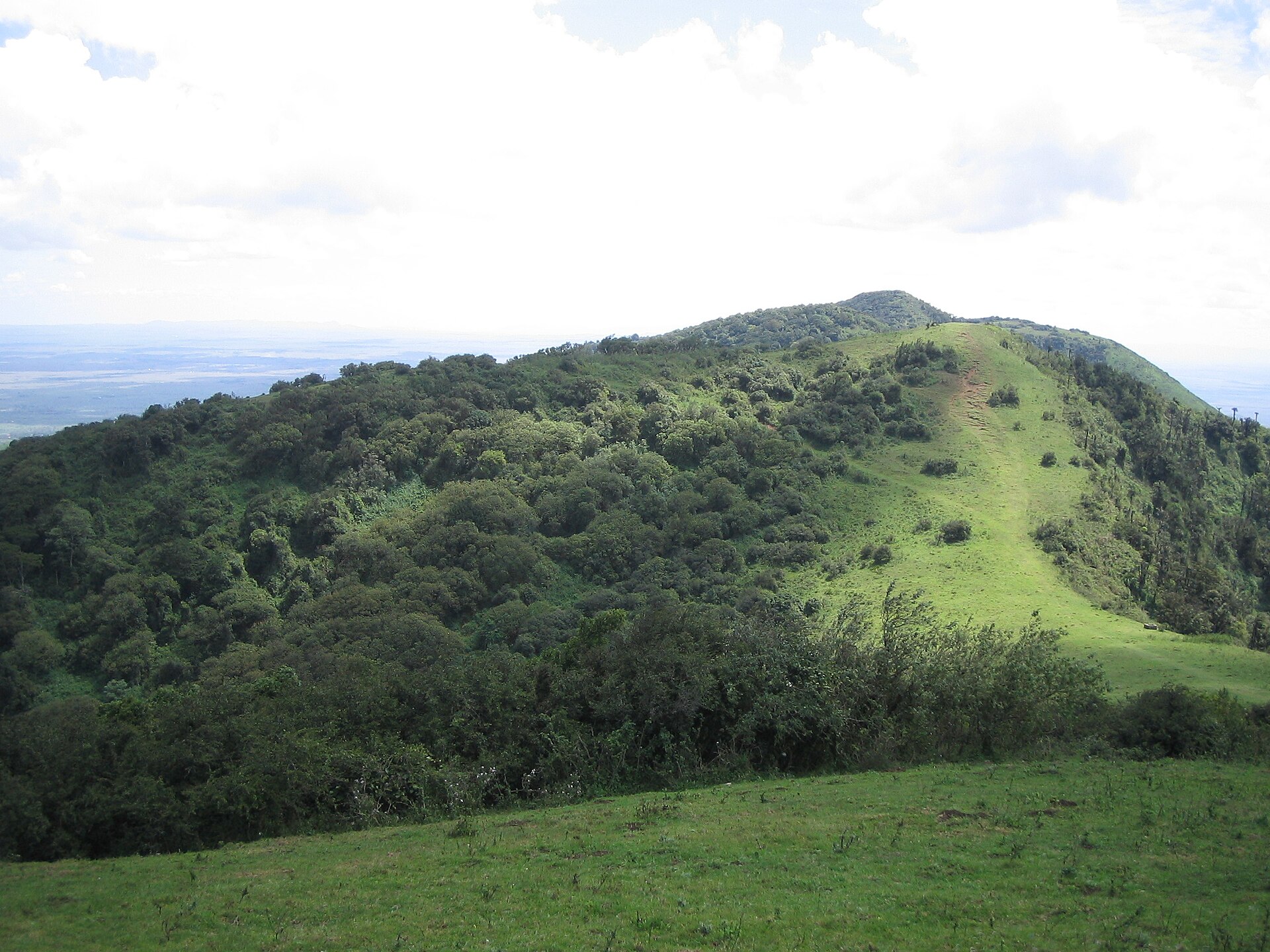
Ngong Hills rise like a quiet sentinel on the edge of Kenya’s highlands, their undulating ridges forming a natural boundary between the sprawl of Nairobi and the vast savannah beyond. From a distance, their silhouette is unmistakable—a series of rounded peaks that seem to watch over the land with an almost deliberate stillness. For those who live in the capital, these hills are more than just a landmark; they are a place to escape, where the air is cooler, the horizon wider, and the weight of the city feels suddenly distant. There’s no grand entrance or ticket booth here, just a sense that you’ve stepped into a landscape where time moves at its own pace.
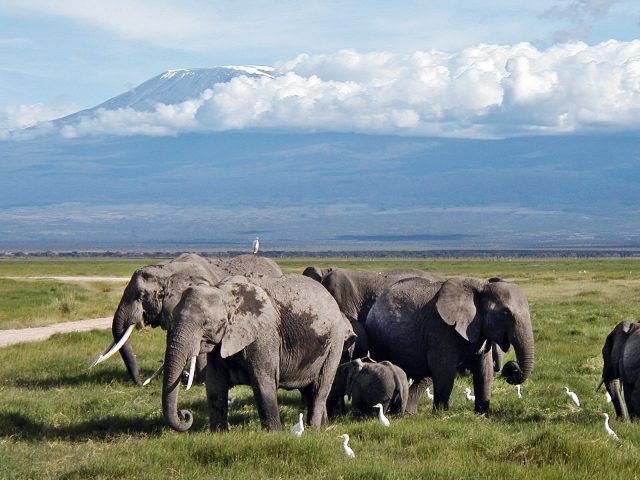
The hills were shaped millions of years ago by volcanic forces, their slopes now draped in a mix of dense bush and open grassland. Unlike the famous national parks, Ngong Hills don’t teem with wildlife—no herds of elephants or prowling lions—but the land itself feels alive in a different way. Small creatures dart through the undergrowth, and birds flit between the trees, their calls carrying on the wind. The trails wind upward, past rocky outcrops and patches of wildflowers, leading to viewpoints where the Great Rift Valley unfolds below. On clear days, the snow-capped peak of Kilimanjaro looms in the distance, a silent reminder of the continent’s ancient geology.
For the Maasai people, these hills have always been sacred. They call them *Ol Doinyo Orok*, the Mountain of God, a place where the spirits of ancestors are said to linger. The Maasai still come here for rituals, their presence woven into the fabric of the land. You might encounter herders guiding their cattle along the slopes or women gathering medicinal plants, their lives moving to the rhythm of seasons rather than clocks. There’s no performative tradition here, no staged displays for visitors—just the quiet continuity of a culture that has long considered these hills home.
The colonial era left its mark on Ngong Hills in subtle ways. In the early 20th century, British settlers were drawn to the area’s cooler climate and sweeping views, building homes and gardens that blended into the landscape. One of the most enduring connections is with Karen Blixen, the Danish author whose memoir *Out of Africa* immortalized her years on a coffee farm at the foot of the hills. Her house still stands, now a museum, but even without it, the hills carry echoes of that time. Crumbling stone walls and rusted gates peek through the vegetation, remnants of a world that once was. Some of these old homesteads are still inhabited, while others have been reclaimed by nature, their stories half-buried in the earth.
Hiking the Ngong Hills isn’t about conquering a summit or ticking off a checklist. The trails are rough and unmarked, more suggestion than path, and that’s part of the appeal. There are no crowds, no souvenir stalls, just the occasional rustle of leaves or the distant lowing of cattle. The higher you climb, the stronger the wind becomes, carrying the scent of dry grass and distant rain. At the top, there’s no platform or sign—just the land stretching out in every direction, the sky pressing close. It’s the kind of place where you might sit for hours, watching clouds cast shadows over the valley below.
The hills change with the seasons. During the rains, they turn lush and green, the trails slick with mud and the air thick with the smell of damp earth. In the dry months, the vegetation fades to gold, blending into the savannah like a watercolor left in the sun. Mornings here can feel surreal, with mist clinging to the valleys so that the hills seem to float above the world. Evenings are softer, the light turning the ridges into shades of amber and violet as the sun dips below the horizon. There’s no single moment that defines Ngong Hills—just the quiet accumulation of impressions, each visit revealing something new.
What makes these hills special isn’t any one feature, but the way they absorb everything around them. They’ve been a sacred site, a colonial retreat, a literary landmark, and now a place where Nairobi’s residents come to breathe. There’s no pressure to do or see anything in particular—just the invitation to walk, to listen, to let the landscape work its way under your skin. The Maasai still pass through, the wind still carries the scent of wild herbs, and the views still stretch endlessly. In a country known for its dramatic wildlife and sweeping plains, Ngong Hills offer something quieter: a sense of belonging to a place that has seen centuries of change and yet remains fundamentally the same.