Kajiado
Kenya · 2 places
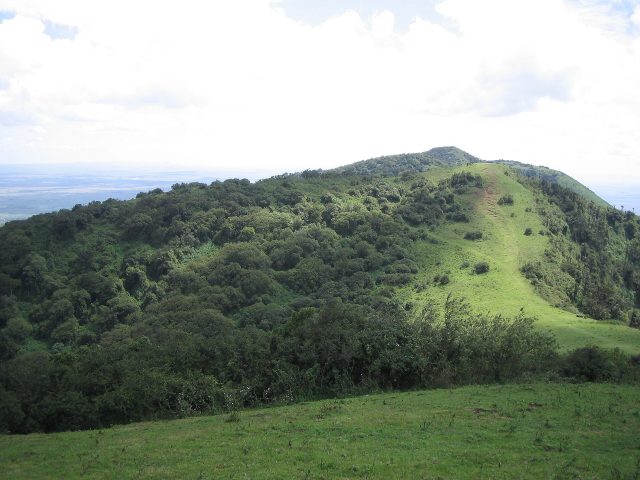
Photo: Amoghavarsha JS amoghavarsha.com, CC BY-SA 3.0
KajiadoKajiado sits quietly in southern Kenya, where red earth meets the savanna and the horizon shimmers under the midday sun. It’s not on postcards or bucket lists, and that’s why it’s worth slowing down for. Here, life hasn’t been drowned out by tourist buses or souvenir stalls. Instead, it moves to the pace of the Maasai, who have lived here for generations—long before borders were drawn on maps.
The streets tell a story: women in patterned shukas herd goats past pickup trucks loaded with safari-bound travelers. Woodsmoke mixes with diesel fumes.
Life in Kajiado unfolds without hurry, dictated by the sun and the seasons. Mornings begin with cattle lowing and the smell of chai brewing over an open fire, a ritual as old as the Maasai themselves. By midday, the heat presses down, and even acacia shade offers little relief. Most retreat into mud-and-dung huts until the sun softens in the late afternoon. Then the town stirs again. Men discuss tribal matters in dusty clearings. Children kick rag balls. The air hums with the rhythm of a community where everyone knows their neighbor’s name.
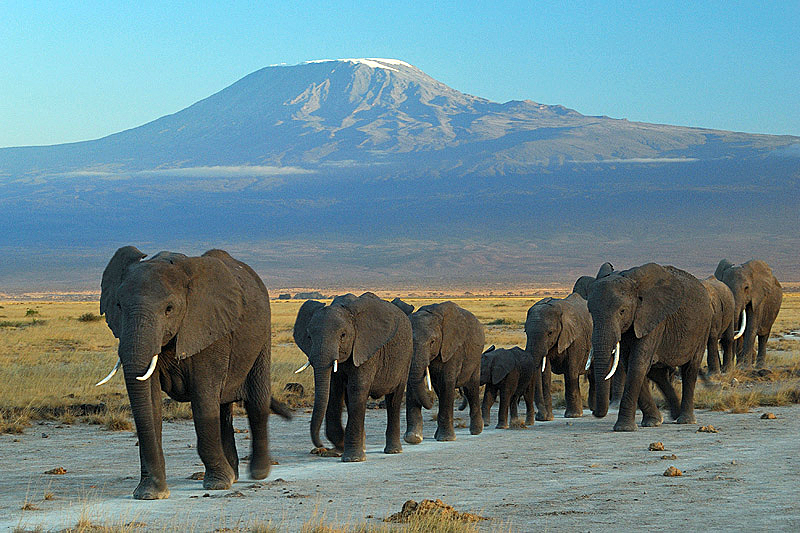
Kajiado is a crossroads. It’s the last stop for travelers heading to Amboseli or Nairobi National Park, where elephants drift across the plains and Kilimanjaro looms on the horizon. A night or two here lets you adjust to the altitude before the wild. Lodgings are simple—guesthouses, campsites. The food is plain: stewed meat with ugali, fried goat cheese, garden vegetables. No fine dining, just meals that fill the stomach.
For those curious about Maasai culture, nearby villages offer a glimpse of a way of life that has resisted time. Visitors are welcomed with songs and dances. They learn to build a manyatta or start a fire without matches. Some encounters are staged, but the exchange still feels real. The Maasai share stories about beadwork patterns and the meaning of colors in their jewelry. Behind the fabrics and chants lies a culture that has survived droughts, colonialism, and modernity by holding to tradition.
Kajiado isn’t a place for weeks-long stays. There are no luxury resorts or nightclubs—just raw, unfiltered Kenya. Tradition and progress coexist without fanfare. It leaves a quiet impression, drawing people back not for grand adventures but for the simple truth of a place untouched by polish. In a world of manufactured experiences, Kajiado offers something real.
See & Do
2 places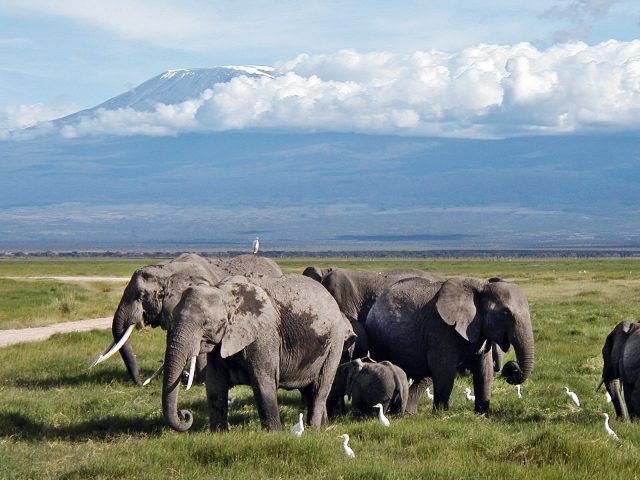
Places on the map
Marker colour follows the categoryClimate and weather
Detailed weather: Kajiado- Average temperature
- 20 °C
- Precipitation per year
- 767 mm
Average air temperature
°C
21
22
22
20
20
18
18
18
20
21
20
20
Jan
Feb
Mar
Apr
May
Jun
Jul
Aug
Sep
Oct
Nov
Dec