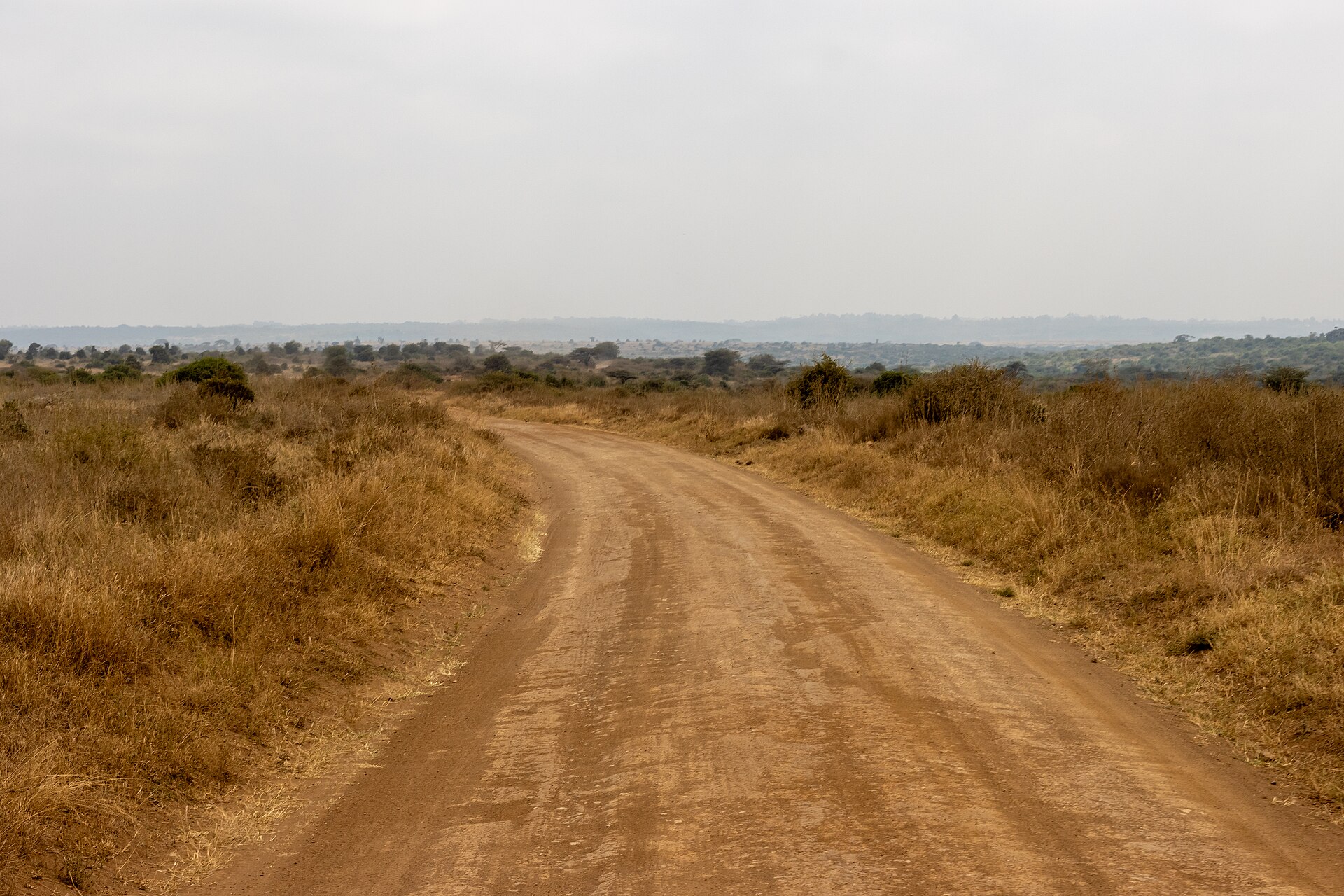
Nairobi National Park is where the wild heart of Africa beats just beyond the edge of the city. A short drive from downtown Nairobi—barely half an hour when traffic allows—this compact reserve covers around 117 square kilometers, a modest size by African standards yet packed with the kind of diversity that defines the continent’s larger wilderness areas. The landscape shifts with every turn: open savannah dotted with acacia trees gives way to dense thickets, rocky outcrops rise abruptly from the plains, and patches of marshland glisten under the sun. It’s a place where the boundaries between urban and untamed feel almost fluid, as if the city and the wild have learned to coexist in the same frame.
The park’s origins trace back to the 1930s, when Nairobi was rapidly expanding and the encroaching city threatened to swallow the surrounding wilderness. These lands were set aside as a protected area, not just to shield wildlife from poachers but to preserve a piece of Kenya’s natural heritage before it vanished under concrete and asphalt. It became the country’s first national park, a decision that would shape Kenya’s approach to conservation for decades to come. Today, the park is home to nearly all of Africa’s iconic large mammals—except elephants, which were relocated to other reserves after repeatedly straying beyond the park’s borders, drawn by the allure of nearby farmland and settlements.
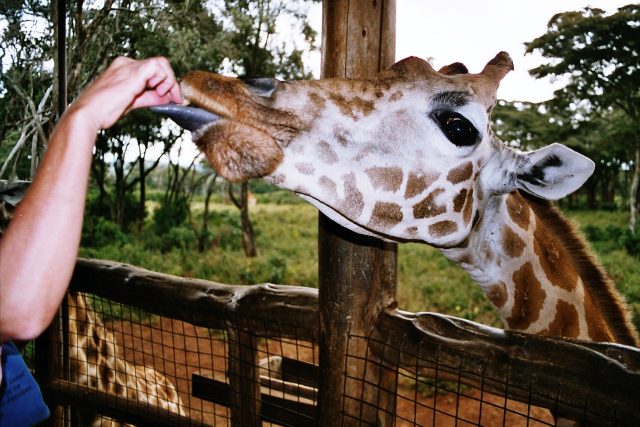
Lions are the park’s most famous residents, with around forty individuals roaming its plains. Unlike their counterparts in more remote reserves, these lions have grown accustomed to the presence of vehicles, often allowing them to approach within a few meters. It’s a striking contrast to the wary behavior of lions elsewhere, though visitors are still advised to keep a respectful distance—these are wild animals, after all. Beyond lions, the park shelters leopards, cheetahs, giraffes, zebras, buffalo, hippos, and a variety of antelope species. Birdwatchers will find plenty to admire here, too, with over four hundred species recorded, from towering ostriches to tiny sunbirds flitting between flowers.
What sets Nairobi National Park apart from other safari destinations is its intimacy. There are no vast herds stretching to the horizon, no endless processions of wildebeest like those in the Maasai Mara or Serengeti. Instead, the park offers something rarer: a sense of untouched wilderness that hasn’t been diluted by mass tourism. The roads are unpaved, sometimes rough, and a four-wheel-drive vehicle is recommended, especially during the rainy season. But even a standard car can navigate the main routes if driven carefully, making the park accessible to those without specialized gear.
The best time to visit is during the dry seasons, from June to October and January to March, when animals congregate around the few remaining water sources. The landscape is stark and golden during these months, and wildlife sightings are more predictable. The rainy seasons, from April to May and November to December, transform the park into a lush, green expanse, with wildflowers blooming and the air thick with the scent of damp earth. However, some areas may become inaccessible due to flooding, and the tall grass can make spotting animals more challenging.
One of the park’s most striking features is the way it frames the city. From several vantage points, the skyline of Nairobi looms in the distance, a reminder of how close the wild and the urban truly are. The most famous of these viewpoints is Impala Hill, named for the antelope that once grazed here in greater numbers. From its summit, the contrast is stark: the savannah rolls out in one direction, while the city’s high-rises rise in the other. It’s a perspective that underscores the delicate balance between human development and the natural world, a theme that feels especially poignant in a place like this.
For those who want more than just a glimpse of wildlife, the park’s animal orphanage offers a deeper connection. Here, young elephants, rhinos, and other animals rescued from poaching or human-wildlife conflicts are rehabilitated before being released back into the wild. Visitors can observe the care these animals receive and even participate in feeding sessions, though it’s important to remember that this isn’t a zoo. The orphanage’s primary goal is conservation, not entertainment, and the experience is as much about education as it is about observation.
Nairobi National Park isn’t the place for a traditional safari experience. There are no luxury lodges, no crowded game drives, no grand spectacles of migration. Instead, it offers something quieter, more authentic—a chance to see Africa as it once was, before tourism reshaped it. It’s a place where the wild still feels untamed, where the sounds of the city fade into the background, and where every visit leaves you with the sense of having touched something rare and real. For those willing to look beyond the usual expectations, it’s one of the most rewarding experiences Kenya has to offer.