The Giraffe Centre in Ongata Rongai is one of those rare places where the draw isn’t grand architecture or bustling crowds, but something far simpler and more profound—the chance to stand face-to-face with creatures you’ve only ever seen in nature documentaries or glossy magazines. There are no luxury resorts here, no souvenir stalls clamoring for attention. Instead, the focus is on the quiet majesty of the Rothschild’s giraffe, a subspecies that was once on the brink of extinction and now thrives in this small corner of Kenya.
The center was established in 1979 as part of a conservation effort to save the Rothschild’s giraffe, whose numbers had dwindled alarmingly due to habitat loss and poaching. At the time, fewer than 130 individuals remained in the wild. Today, the Giraffe Centre is more than just a sanctuary; it’s a place where conservation meets education. Visitors don’t just observe these towering animals—they learn about the delicate balance of ecosystems and why protecting them matters. The center’s work extends beyond its borders, with breeding programs that have helped reintroduce giraffes into protected areas across Kenya.
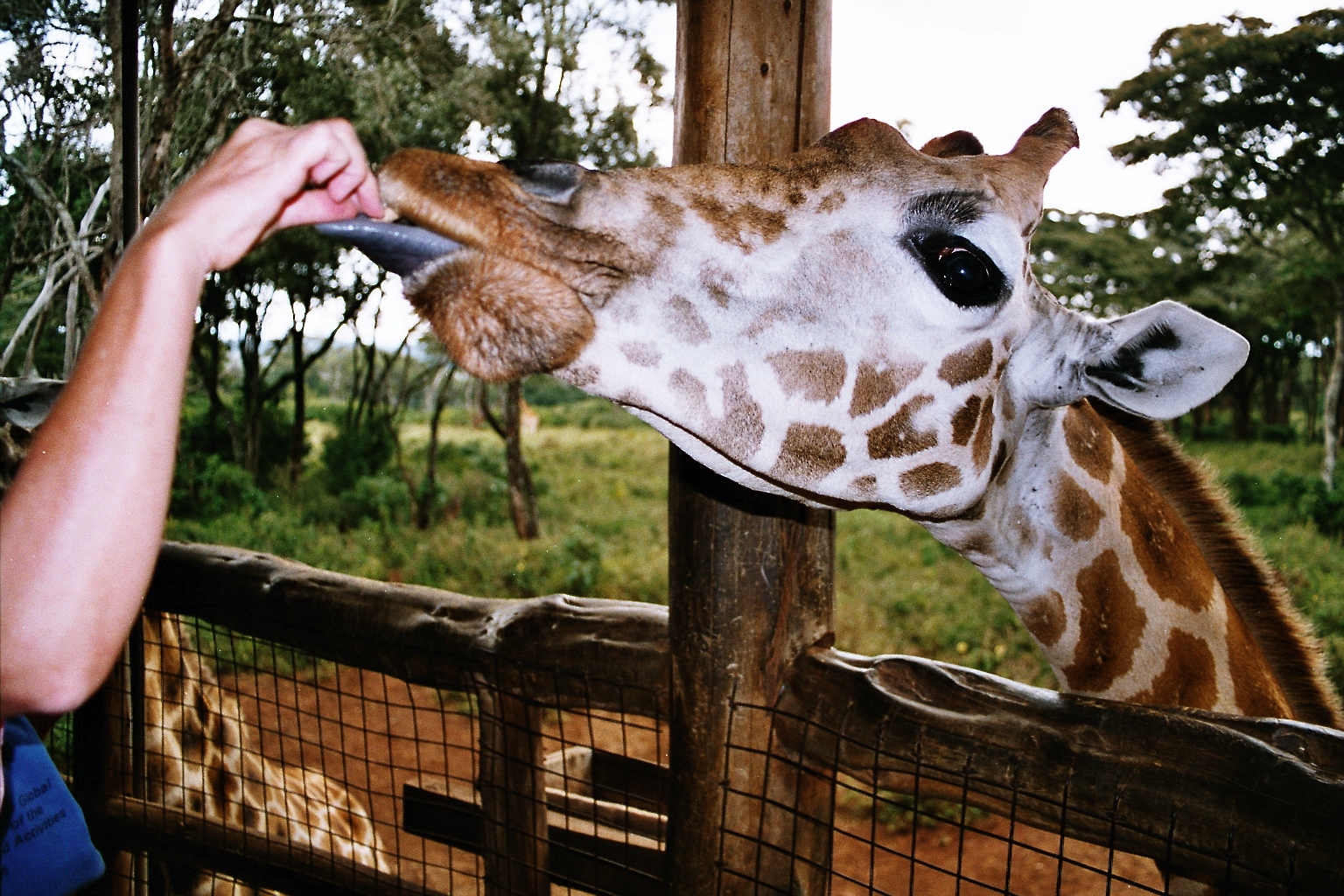
The highlight of any visit is the feeding platform, a raised wooden structure that brings you eye-level with the giraffes. Here, you can offer them pellets of food, watching as they stretch their long necks to gently take it from your hand. Their movements are deliberate, almost graceful, despite their size. The giraffes here are accustomed to human presence, but they never lose their wild dignity. Their dark, expressive eyes seem to hold a mix of curiosity and calm, and it’s hard not to feel a sense of connection when one of them lingers near you, its breath warm against your palm. The younger giraffes, still unsteady on their legs, add a touch of charm to the experience, their clumsy attempts to reach the food both endearing and humbling.
Beyond the feeding platform, the center offers a small but thoughtful exhibit on giraffe biology and behavior. You’ll learn about their unique adaptations—like their prehensile tongues, which can be up to 18 inches long and are dark blue to protect against sunburn. The Rothschild’s giraffe, in particular, stands out for its lighter coat pattern and the absence of markings on its lower legs, a trait that sets it apart from other subspecies. The exhibit is concise but engaging, making it accessible for children while still offering enough depth to satisfy curious adults.
The grounds themselves are modest but well-maintained, blending seamlessly into the surrounding landscape. Acacia trees, the giraffes’ natural food source, dot the area, and walking paths wind around the enclosure, allowing visitors to observe the animals in a more natural setting. Occasionally, a giraffe will wander close to the fence, and the sheer scale of these creatures becomes impossible to ignore. Standing next to one, you realize just how small you are in comparison—an adult giraffe can reach heights of nearly 18 feet, and looking up into their eyes feels like gazing into another world.
The Giraffe Centre also plays a vital role in education, particularly for local communities. School groups from nearby villages frequently visit, many of them experiencing wildlife up close for the first time. For these children, the center is more than just a field trip; it’s an introduction to the idea that conservation isn’t just about saving animals—it’s about preserving a way of life. The hope is that these early encounters will foster a sense of stewardship, inspiring the next generation to protect Kenya’s natural heritage. Even for adult visitors, the experience serves as a reminder of how fragile ecosystems can be and how much effort it takes to restore them once they’re disrupted.
There’s no rush at the Giraffe Centre. Visitors are free to wander at their own pace, lingering as long as they like on the feeding platform or sitting on one of the benches scattered beneath the trees. The atmosphere is peaceful, almost meditative, with the sounds of birdsong and rustling leaves filling the air. The staff, many of whom have worked here for years, are approachable and eager to share their knowledge, whether it’s answering questions about giraffe behavior or offering tips on the best way to feed them. Their passion for the animals is evident, and it adds a personal touch to the experience.
Located just a short drive from Nairobi, the Giraffe Centre is often visited as part of a half-day trip, paired with other nearby attractions. But even if you only have a couple of hours to spare, it’s worth the detour. There are no flashy attractions here, no rides or shows—just the quiet joy of being in the presence of these gentle giants. In a world that often feels disconnected from nature, the center offers a rare opportunity to slow down, to really see the world around you, and to remember that we share this planet with creatures far more extraordinary than we often realize.
This isn’t a zoo, and it’s not an amusement park. It’s a place where humans and wildlife meet on equal terms, where you can do more than just observe—you can connect. The giraffes here aren’t performers; they’re ambassadors for their species, reminding us of the beauty and fragility of the natural world. Perhaps that’s why so many people return, time and again. It’s not just about seeing giraffes; it’s about leaving with a deeper understanding of why places like this matter—and why they’re worth protecting.