Tijuca National Park isn’t just a patch of green in the middle of Rio de Janeiro—it’s a wild, breathing world tucked between skyscrapers and busy avenues. Covering nearly forty square kilometers, it’s often called the largest urban forest on earth, though the title is sometimes debated. What isn’t up for debate is the sheer scale of it: dense tropical vegetation, cascading waterfalls, jagged rock formations, and trails that wind through terrain so untamed it feels like stepping into another era. Here, the city’s noise fades into the background, replaced by the rustle of leaves, the calls of toucans, and the occasional chatter of capuchin monkeys swinging through the trees. For locals, it’s an escape from the heat and chaos of urban life; for visitors, it’s a side of Rio far removed from the postcard-perfect beaches and carnival crowds.
The park’s history is as dramatic as its landscapes. In the 19th century, this area was nearly stripped bare by coffee plantations, leaving only fragments of the original forest. By the mid-1800s, the environmental damage was impossible to ignore, and Emperor Pedro II ordered a massive reforestation effort. Over decades, workers replanted native trees, restored the soil, and carved out the first trails. By the early 20th century, the forest had returned, and in 1961, the land was officially designated a national park. Today, it’s home to hundreds of plant species, some found nowhere else, with towering trees that create a canopy so thick it feels like the heart of the Amazon—just minutes from downtown Rio.
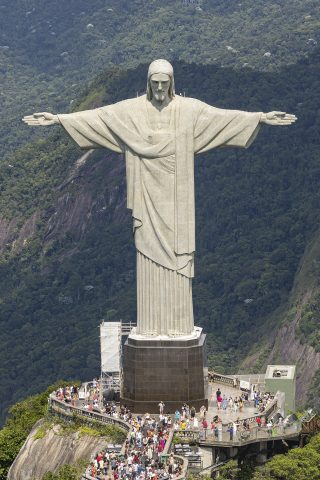
Tijuca is divided into distinct zones, each offering a different experience. The Alto da Boa Vista sector is the most visited, home to key attractions like the Cascatinha Taunay waterfall, the viewpoint atop Pedra da Gávea, and the iconic Christ the Redeemer statue, which can be reached via a forested trail. The hike takes about an hour, but the views along the way—of mist-shrouded peaks and the city sprawling below—make every step worthwhile. The Floresta da Tijuca sector, by contrast, is quieter, with fewer tourists and more opportunities to wander off the beaten path. Some areas, like the slopes of Pedra Bonita, are restricted or require a guide, especially for activities like rock climbing, which draws enthusiasts from around the world.
The park’s architecture is subtle but striking. Hidden among the trees are colonial-era farmhouses and mansions, some converted into museums or cafés. One of the most charming is the Sítio da Floresta, where visitors can sip coffee while learning about the reforestation efforts that saved this land. Another standout is the Pedra da Gávea lighthouse, a small white building perched on a cliff, offering one of the best panoramic views of Rio and the Atlantic. Built in the 1950s, it no longer serves its original purpose, but the vista from its base remains unforgettable.
For those who want more than just sightseeing, Tijuca is a playground. The park has dozens of hiking trails, ranging from easy walks to challenging multi-day treks. The most famous is the ascent to Pedra da Gávea, a demanding climb that rewards hikers with breathtaking views—but requires caution, especially during the rainy season when rocks become slick. Cyclists can rent mountain bikes and ride designated paths, while rock climbers will find routes suited to all skill levels. There are also picnic spots scattered throughout the park, perfect for a quiet lunch surrounded by the sounds of the forest.
The park’s atmosphere shifts with the time of day and season. Early mornings are magical, with mist curling through the trees and birdsong filling the air as the sun rises. By midday, the trails buzz with tourists and school groups, though a short detour into the denser parts of the forest quickly restores the sense of solitude. Evenings are quieter, with only a few lingering visitors watching the sunset from viewpoints or listening to the symphony of cicadas and nocturnal birds. During the rainy season, from December to March, the park is at its most vibrant—waterfalls swell, the air hums with humidity, and the scent of blooming flowers is everywhere.
Tijuca is a place where nature and city coexist seamlessly. There are no rigid boundaries here; the forest bleeds into neighborhoods, and trails sometimes lead to unexpected views of rooftops or the ocean. For locals, it’s part of daily life—some jog here in the mornings, others pack weekend picnics, and many come simply to unwind after work. For visitors, it’s a chance to see Rio beyond the stereotypes, to understand that beneath the city’s bustling surface lies a world where time slows down and nature asserts itself at every turn.
Exploring Tijuca doesn’t require special preparation, but a few basics make the experience smoother. Comfortable shoes and lightweight, long-sleeved clothing help protect against sun and insects. Bringing water and snacks is a good idea, especially for longer hikes, since cafés are sparse. Sticking to marked trails is essential—some areas are deceptively rugged, with steep drops or wildlife that’s best admired from a distance. Most importantly, the park thrives when visitors treat it with respect: no littering, no loud noises, and no feeding or disturbing the animals. After all, Tijuca isn’t just a tourist attraction; it’s a living ecosystem that demands care.
What makes Tijuca special isn’t just its size or beauty, but the way it feels like a secret hiding in plain sight. It’s a place where you can stand on a mountain peak, surrounded by jungle, and still see the ocean glinting in the distance. Where the sounds of the city fade into the background, replaced by the rush of waterfalls and the wind through the trees. Whether you come for a quick hike, a challenging climb, or just a moment of quiet, the park offers something rare: a chance to step outside of time, even if just for a little while.