Alto da Boa Vista
Brazil · 1 place
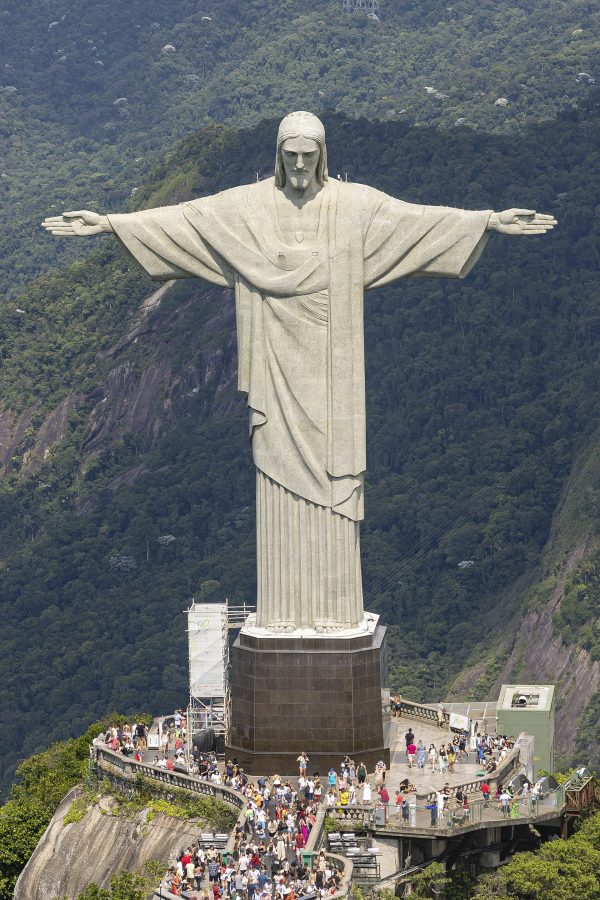
Photo: Arne Müseler, CC BY-SA 3.0 de
Alto da Boa Vista feels like a secret tucked into the folds of Rio de Janeiro, a place where the city’s relentless energy fades into the quiet hum of the rainforest. Perched on the slopes of Tijuca Mountain, this neighborhood has resisted the march of time, preserving the essence of old Rio—narrow streets lined with tiled-roof houses, lush greenery spilling over every available surface, and an unhurried rhythm that belongs more to the forest than the metropolis below. There are no towering skyscrapers here, no crowded avenues, no tourist traps. Instead, the air carries the scent of damp earth and the distant calls of birds, while life unfolds at a pace set by the locals who’ve long called this place home.
The heart of Alto da Boa Vista is Tijuca National Park, the world’s largest urban forest, which begins just beyond the last houses and stretches for miles, hiding waterfalls, caves, and viewpoints that leave you breathless. One of the most beloved spots is Cascatinha, a small waterfall where stone steps—worn smooth by decades of footsteps—lead down to a quiet pool. The park is easy to lose yourself in, but locals are always happy to point you toward the next hidden gem, whether it’s a secluded lake or a cliffside overlook with sweeping views of the ocean. Every trail feels like a discovery, and even a short walk can lead to something unexpected.
Life here moves slowly, in the best possible way. Mornings start with coffee in tiny family-run cafés, where the scent of freshly baked *pão de queijo* fills the air, and evenings are spent on benches with neighbors, catching up on the day’s news. Alto da Boa Vista isn’t the Rio you see in postcards—there are no luxury hotels or high-end restaurants, but there’s an authenticity that’s harder to find in the city’s more polished districts. The markets sell fruit straight from the trees, and on weekends, impromptu samba or capoeira performances spring up in the squares, drawing small crowds of locals and a few curious visitors.
For those who crave adventure, this neighborhood is the perfect starting point. From here, trails lead up to the summit of Corcovado, where the iconic Christ the Redeemer statue overlooks the city, or to the peak of Pedra da Gávea, where the view stretches across Rio and the bay beyond. If you prefer a gentler pace, you can wander to the Chup-Chupa Cave or follow the path to Véu da Noiva, a waterfall that cascades like a sheer curtain of water. Tijuca Park is vast enough to spend an entire day exploring, moving from one natural wonder to the next without ever feeling rushed.
Despite its proximity to the city, Alto da Boa Vista operates on its own terms. There’s no metro, and buses are infrequent, but taxi drivers know every street by heart. The neighborhood draws those who want solitude without sacrificing the conveniences of urban life—downtown Rio is just a half-hour away, and the beaches of Copacabana and Ipanema are even closer. Yet the moment you return, the magic of the place becomes clear. It’s not just about the location; it’s the sense of peace that settles over you, a rare find in a world that moves too fast. Here, the forest and the city exist side by side, each making the other feel a little more alive.
See & Do
1 place
Places on the map
Marker colour follows the categoryClimate and weather
Detailed weather: Alto da Boa Vista- Average temperature
- 19 °C
- Precipitation per year
- 1365 mm
Average air temperature
°C
22
22
22
20
18
17
16
17
20
20
20
21
Jan
Feb
Mar
Apr
May
Jun
Jul
Aug
Sep
Oct
Nov
Dec