La Sabana Park is the green heart of San José, a place where the city’s restless energy softens into something quieter. Stretching across 72 hectares, it’s the largest urban park in Costa Rica, though its size is easy to underestimate at first glance. From the outside, it looks like any other well-kept public space—neat paths, manicured lawns, the occasional jogger—but step inside, and you’ll find layers of history and life that go beyond its role as a simple recreational area.
The park’s origins trace back to the late 18th century, when the land was part of a vast hacienda owned by the Catholic Church. For generations, it served as pastureland, its fields dotted with cattle and its edges lined with the occasional farmhouse. By the early 20th century, as San José began to grow beyond its colonial core, the city’s leaders recognized the need for a public space that could serve as both a gathering place and a symbol of progress. In 1930, the land was officially designated as a park, though its transformation was gradual. The first major changes came in the 1940s, when the government commissioned a redesign inspired by European urban planning ideals—wide promenades, symmetrical gardens, and a central lake that would later become one of its defining features.
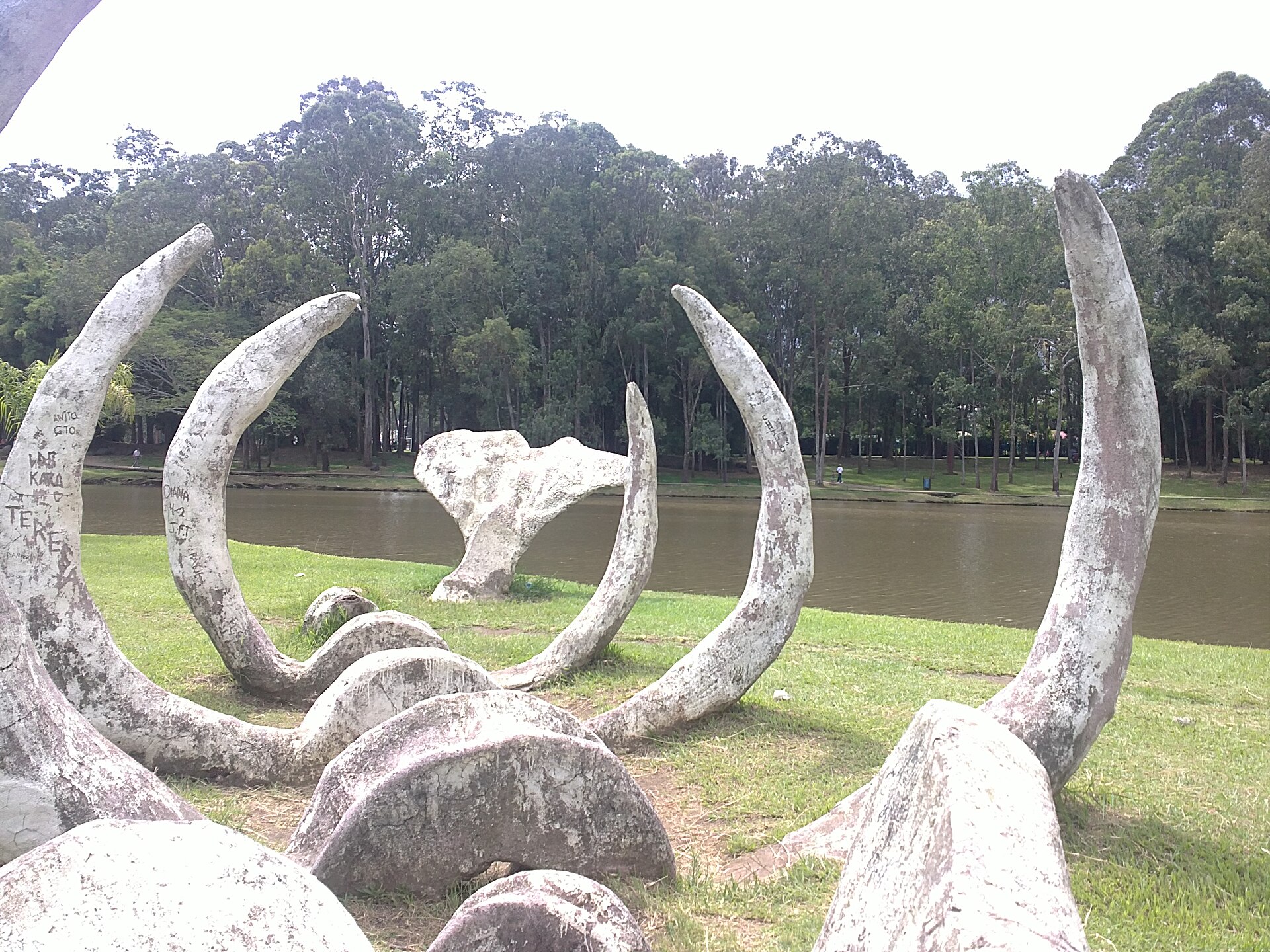
Today, La Sabana is a patchwork of different eras. The oldest trees, towering ceibas and guanacastes, predate the park itself, their thick trunks and sprawling canopies offering shade to those who sit beneath them. Near the lake, a small island is home to a colony of herons, their white feathers stark against the water’s surface. The lake itself is artificial, dug out in the 1950s as part of an effort to modernize the park, and though it’s not particularly deep, it’s become a focal point for weekend visitors. On Sundays, families gather along its edges, children feeding ducks while parents spread out picnics on the grass. Kayaks and paddleboats are available for rent, though the water is often so still it feels like glass, reflecting the surrounding greenery and the distant outline of the city.
The park’s architecture tells its own story. The most prominent structure is the National Stadium, a sweeping concrete and steel arena built in 2011 to replace the original, which stood on the same site for decades. The new stadium is a point of pride for many Costa Ricans, not just for its role in hosting football matches and concerts, but for its design—a sleek, modern contrast to the park’s older, more organic elements. Nearby, the old airport terminal, a low-slung building with a red-tiled roof, serves as a reminder of La Sabana’s brief stint as San José’s main airfield in the mid-20th century. For a few decades, planes took off and landed where joggers now run, and though the airport moved to Alajuela in the 1950s, the terminal remains, repurposed as a cultural center and event space.
Beyond its physical features, La Sabana is a place where the city’s social fabric is on display. On any given day, you might see a group of elderly men playing chess under the trees, their games unhurried, the pieces clicking softly against the wooden boards. Near the basketball courts, teenagers practice dribbles and layups, their laughter mixing with the sound of sneakers on pavement. On weekends, the park fills with vendors selling everything from fresh coconut water to handmade jewelry, their stalls adding a splash of color to the greenery. There’s a sense of informality here, a lack of pretension that makes it feel like a true public space—one that belongs to everyone, regardless of background.
The park also plays a role in the city’s cultural life. Throughout the year, it hosts festivals, concerts, and public gatherings, from the annual Pride parade to open-air film screenings. In December, the trees are strung with lights, and families come to see the holiday displays, their faces glowing in the soft illumination. During Semana Santa, the park becomes a gathering place for processions, the paths lined with people carrying religious icons. Even on ordinary days, there’s a sense of ritual here—the same groups of friends meeting for their weekly walks, the same vendors setting up in their usual spots, the same dogs chasing the same balls across the grass.
For all its activity, La Sabana has a way of feeling both lively and serene. The noise of the city—the honking cars, the construction, the distant hum of traffic—fades into the background, replaced by the rustle of leaves and the occasional call of a bird. It’s a place where time seems to slow down, where the urgency of urban life gives way to something more measured. That’s not to say it’s untouched by the challenges of the city. Like any public space, it has its share of wear and tear—graffiti on benches, litter that accumulates after large events, the occasional broken sprinkler. But these are minor details, easily overlooked when set against the larger picture.
What makes La Sabana special is its ability to adapt. It has been a pasture, an airport, a sports complex, and a park, each iteration leaving its mark on the land. Today, it’s all of those things at once—a place where history and modernity coexist, where the past is visible in the old trees and the repurposed buildings, and the present unfolds in the daily lives of those who visit. It’s not a pristine wilderness, nor is it a meticulously curated garden. Instead, it’s a living, breathing part of the city, shaped by the people who use it and, in turn, shaping the way they experience San José.
For visitors, La Sabana offers a glimpse into the rhythm of life in the capital. It’s a place to observe, to wander, to sit and watch the world go by. There are no grand monuments here, no must-see attractions in the traditional sense. Instead, the park’s appeal lies in its ordinariness—in the way it reflects the everyday lives of those who call San José home. Whether you come for a morning run, an afternoon picnic, or simply to escape the heat of the city, La Sabana has a way of making you feel like you’ve stepped into a space that’s both entirely local and entirely welcoming.