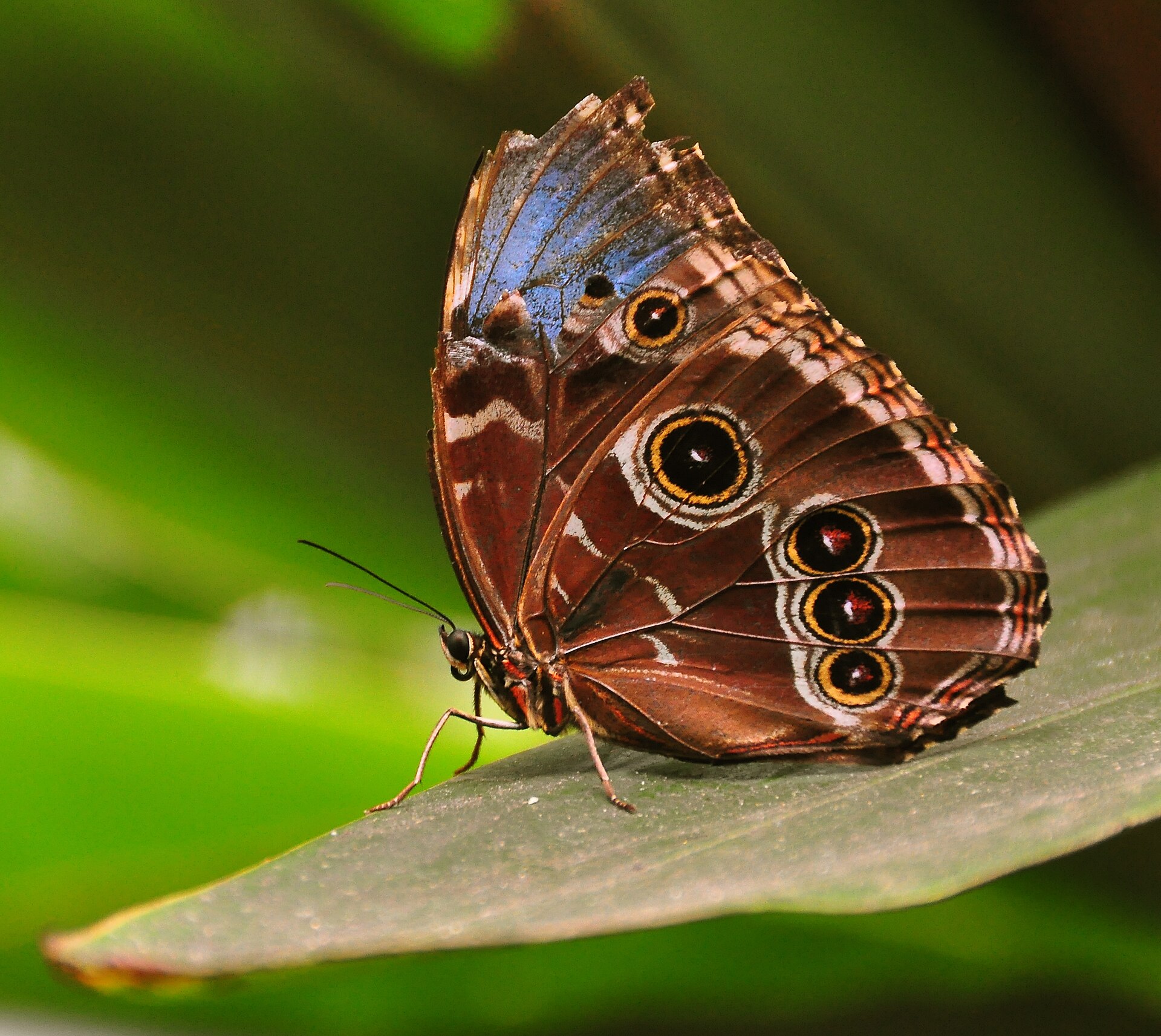
San José’s Simón Bolívar National Zoo is one of those quiet places where the city’s rhythm slows to match the pace of the wild. Tucked away on a modest plot of land, it holds a surprising variety of Costa Rica’s native animals, offering a glimpse into the country’s rich biodiversity without the scale of larger zoos. The enclosures are small but thoughtfully designed, blending into the greenery so that toucans, sloths, and even the occasional jaguar seem at home in their surroundings. For many visitors, this is the first real encounter with the creatures that define Costa Rica’s reputation as a haven for wildlife.
The zoo’s origins trace back to the early 1900s, a time when conservation was still a new concept in Latin America. Initially conceived as a research center, it gradually opened its doors to the public, evolving into a place where science and education could coexist. Named after Simón Bolívar, the revered liberator whose legacy looms large in Costa Rican history, the zoo has weathered decades of change. It has seen periods of growth and neglect, yet it has remained a constant presence in the city, adapting to the needs of both animals and visitors over time.
Walking through the zoo feels less like visiting a traditional menagerie and more like stepping into a miniature sanctuary. The paths wind past enclosures that mimic natural habitats—dense foliage for the slow-moving sloths, shaded areas where jaguars might lurk, and aviaries filled with the chatter of parrots. The animals here are not just exhibits; they’re ambassadors for their species, many of which face threats in the wild. The poison dart frogs, with their vivid warning colors, and the lumbering tapirs are reminders of how fragile these ecosystems can be. Even the architecture reflects this ethos—simple wooden structures and shaded walkways ensure that the focus stays on the wildlife, not the surroundings.
Education has become a cornerstone of the zoo’s mission in recent years. Programs aimed at children and adults alike emphasize the importance of conservation, explaining how human activity impacts ecosystems and what can be done to protect them. Guided tours and workshops offer hands-on learning, turning a casual visit into an opportunity to understand the broader role zoos play in wildlife preservation. It’s not just about seeing animals; it’s about recognizing the part each person can play in their survival.
The atmosphere here is unhurried, a welcome contrast to the bustle of San José’s streets. There are no crowds, no long lines—just the quiet rustle of leaves and the occasional call of a bird. The zoo’s compact size makes it easy to explore in a few hours, though those who prefer to linger can find a bench under the trees and simply watch the world go by. It’s an ideal spot for families with young children who might not yet be ready for the rigors of a jungle trek, or for anyone looking to connect with Costa Rica’s wildlife before venturing into its national parks.
Beyond its role as a visitor attraction, the zoo is deeply involved in conservation efforts. Many of the animals here were rescued from illegal wildlife trade or found injured in the wild. Some are rehabilitated and released, while others remain in the zoo if returning to their natural habitat isn’t possible. The work done here is part of Costa Rica’s broader commitment to environmental stewardship, a country where nearly a quarter of the land is protected in some form. Visiting the zoo isn’t just a way to pass the time; it’s a small act of support for the ongoing effort to safeguard these species.
For those planning a visit, it’s worth setting expectations. This isn’t a theme park with flashy attractions or a gift shop around every corner. There are no cafes or souvenir stands—just the animals, the trees, and the quiet hum of nature. The best time to come is in the morning, when the air is still cool and the animals are most active. A couple of hours is enough to see everything, though photographers or those who enjoy a slower pace might want to stay longer. The zoo’s simplicity is part of its charm; it invites visitors to slow down and appreciate the details.
In a city where concrete and greenery often compete for space, the Simón Bolívar National Zoo stands as a reminder of what makes Costa Rica unique. It’s a place where the wild and the urban coexist, where the past and present intersect in the care of animals that might otherwise be forgotten. For many, it’s the first step in understanding why this small country is so fiercely protective of its natural heritage. Here, amid the trees and the calls of birds, it’s easy to see why conservation isn’t just a policy—it’s a way of life.