The National Museum of Costa Rica sits quietly in the heart of San José, its thick walls holding more than just exhibits. The building itself is a piece of history, once a military fortress known as the Bellavista Barracks. Constructed in the late 19th century, its neoclassical design gives it a solid, unshakable presence, as if built to withstand not just time but the upheavals of a nation finding its footing. The bullet holes still visible on the facade serve as a reminder of the political turmoil that marked Costa Rica’s early 20th century, a period when the country was carving out its identity amid regional conflicts. Today, the fortress has shed its military past, becoming a place where visitors can step into the layers of Costa Rican history without leaving the capital.
One of the most intriguing features of the museum is its collection of pre-Columbian stone spheres. Scattered across the courtyard and exhibition halls, these perfectly rounded stones, some weighing several tons, remain one of the country’s greatest archaeological mysteries. No one knows for certain who made them or why, though theories abound—some suggest they were symbols of power, others believe they marked celestial alignments. Whatever their purpose, they stand as silent witnesses to a civilization that thrived long before European contact. Their smooth surfaces and precise shapes contrast with the rough, weathered walls of the fortress, creating a dialogue between the ancient and the more recent past.
The museum’s permanent exhibits trace Costa Rica’s history from its earliest inhabitants to the present day. The journey begins with artifacts from indigenous communities, including pottery, tools, and ceremonial objects that offer glimpses into their daily lives and spiritual beliefs. The colonial era is represented through weapons, religious items, and documents that tell the story of Spanish conquest and the blending of cultures. One of the most striking displays is the collection of intricately decorated ceramics, some so delicate they seem frozen in time. These pieces, unearthed from archaeological sites across the country, reveal the skill and artistry of pre-Columbian craftspeople, as well as their deep connection to the land.
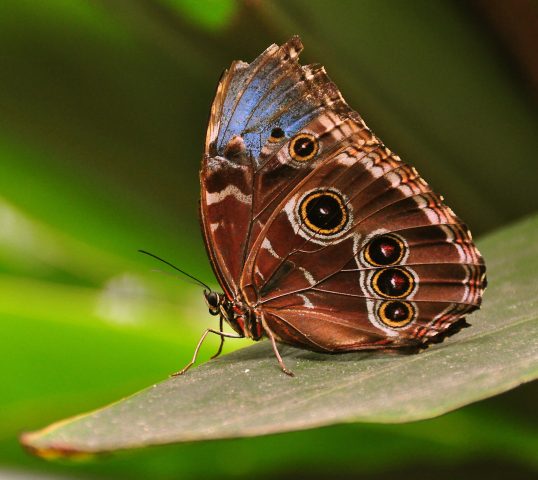
A separate section of the museum is dedicated to Costa Rica’s natural heritage, a fitting tribute to a country renowned for its biodiversity. The exhibits include taxidermied specimens of rare animals, pressed plants from the country’s varied ecosystems, and interactive displays that explain the delicate balance of tropical environments. The butterfly collection is particularly striking, with vibrant wings preserved under glass, a reminder of the fragility of nature. This part of the museum also highlights Costa Rica’s commitment to environmental conservation, a path it chose in 1948 when it abolished its military and redirected resources toward protecting its forests, rivers, and wildlife. It’s a story of a nation that chose peace and sustainability over conflict, a decision that has shaped its identity in the decades since.
Beyond its permanent collections, the museum frequently hosts temporary exhibitions that explore different facets of Costa Rican culture. These might include photographs of historic towns, contemporary art inspired by local traditions, or displays on traditional crafts like basket weaving and pottery. Occasionally, the museum offers workshops where visitors can try their hand at these skills, turning history into something tangible. These events breathe life into the space, making it more than just a repository of artifacts. Instead, it becomes a place where the past is actively engaged with, where stories are shared, and where visitors can connect with the people and traditions that have shaped Costa Rica.
The building itself is worth exploring, even if you never step inside the exhibition halls. The central courtyard, with its fountain and stone spheres, offers a quiet respite from the city’s hustle. The thick walls muffle the noise of the streets, creating an atmosphere of calm reflection. Sometimes, you might overhear a guide explaining the significance of an artifact to a group of schoolchildren, their voices weaving the past into the present. The museum doesn’t aim to dazzle with grandeur or opulence; its charm lies in its authenticity. It feels like a place where history is preserved not just in glass cases but in the very air, a testament to a country that values its past as much as its future.
For many travelers, San José is little more than a stopover on the way to Costa Rica’s beaches or rainforests. The capital doesn’t have the immediate allure of those destinations, and it’s easy to dismiss it as just another busy city. But those who take the time to explore its quieter corners often discover a different side of Costa Rica—one that’s rooted in history, culture, and a slower, more deliberate pace of life. The National Museum is one of those places where that side of the country reveals itself. There are no crowds, no rush, just the quiet unfolding of stories that have shaped a nation.
What makes the museum particularly compelling is its ability to challenge preconceptions about Costa Rica. The country is often associated with its natural beauty—lush jungles, pristine beaches, and abundant wildlife—but its human history is just as rich, if less visible. There were no grand empires here, no towering pyramids or gold-laden temples like those of the Aztecs or Incas. Instead, Costa Rica’s story is one of resilience, adaptation, and a unique cultural blend. The museum captures this in its exhibits, showing how indigenous traditions merged with Spanish influences, how a small nation navigated independence and political change, and how it came to define itself not by conquest but by peace.
Visiting the National Museum is a reminder that history isn’t just about the past—it’s about understanding the present. Costa Rica today is a country that prides itself on its environmental stewardship, its democratic stability, and its commitment to education and healthcare. But those values didn’t emerge in a vacuum; they were shaped by the struggles and triumphs of the people who came before. The museum doesn’t just display artifacts; it tells the story of a nation that chose a different path, one that prioritized people and the planet over power and wealth. In that sense, it’s not just a museum about Costa Rica—it’s a museum about what Costa Rica aspires to be.