Navoi Park in Nukus is one of those quiet corners where the city’s usual bustle fades into the background, giving way to greenery and a slower pace. There are no flashy attractions or crowds of visitors here—just wide pathways shaded by trees, benches where people linger over tea, and the kind of unhurried rhythm that feels natural to this part of Uzbekistan. The park took shape in the mid-20th century, when Nukus was growing into the administrative and cultural heart of Karakalpakstan. Back then, the city needed a place where residents could escape the heat and dust, stroll with their children, or simply sit in the shade with no particular agenda.
Named after the revered poet and philosopher Alisher Navoi, the park carries echoes of an era when his name symbolized not just literary greatness but national pride. In Uzbekistan, Navoi is celebrated as a classical figure whose verses and philosophical works still resonate today. Yet the park doesn’t honor him with grand monuments or elaborate memorials. Instead, its quiet atmosphere seems to invite reflection, as if the very air here moves at a gentler pace. There’s no pomp, just a sense that time flows differently within these boundaries.
The park’s design is simple and practical, reflecting its Soviet-era origins, when such spaces were built for mass leisure rather than aesthetic spectacle. The central avenue, lined with rows of trees, leads from the entrance to a modest fountain, offering shade in the summer months. Benches line the pathways, many of them dating back to the park’s early days. Some have weathered with time, their paint chipped or their legs slightly crooked, but these imperfections only add to the place’s charm. There are no exotic plants or meticulously arranged flowerbeds—just the same poplars, elms, and acacias found across the city, their familiarity making the park feel like an extension of home.
A small open-air stage stands near the center, once the venue for concerts and public gatherings. These days, it looks a little worn, though it still serves its purpose, hosting occasional performances by local musicians or schoolchildren. Nearby, a playground with rusted swings and a faded carousel draws young families, especially on weekends. You’ll see parents pushing strollers, grandparents keeping watch over grandchildren, and groups of teenagers lounging on the grass, chatting or listening to music. The scene is ordinary, unscripted—the kind of everyday life that rarely makes it into guidebooks.
Navoi Park also functions as an open-air museum of sorts, preserving fragments of Nukus’s past. Soviet-era touches remain visible in the concrete planters, once a staple of public spaces, and the old-fashioned streetlamps, their light dimmer now but still functional. In recent years, the park has seen some updates—new benches here, repaved walkways there—but its essential character hasn’t changed. That might be why locals love it so much: everything feels familiar, predictable in the best sense. There’s no pressure to perform or impress, just a space where people can be themselves.
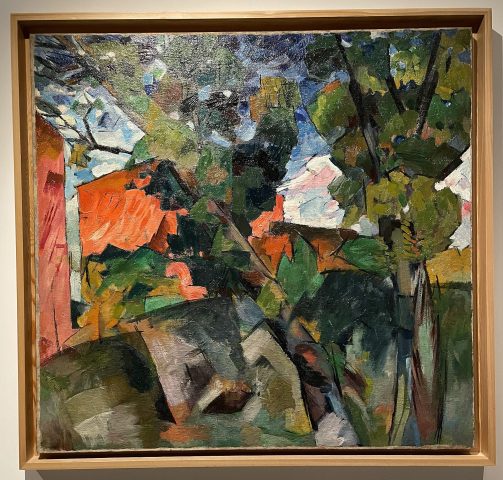
For visitors, the park might not seem like an obvious destination. Nukus has more famous attractions, like the Savitsky Museum with its remarkable avant-garde collection. But Navoi Park offers something different—a glimpse into the city’s daily life, away from tourist scripts. In the mornings, elderly men gather to play chess or backgammon. By afternoon, mothers with young children fill the pathways. Evenings bring students and couples, their laughter blending with the rustling leaves. The park shifts with the hours, adapting to the needs of those who use it, whether for solitude or company.
Summer is the park’s liveliest season, when the shade makes the heat bearable and the scent of blooming acacias drifts through the air. Winter transforms it into a quiet, snow-dusted expanse, where the occasional passerby hurries along and a few lone figures sit on benches, soaking up the weak sunlight. Spring brings renewal—fresh leaves on the trees, tulips pushing through the grass, a reminder that Uzbekistan was once part of the Silk Road that carried these flowers westward.
What makes Navoi Park special is its unassuming nature. There are no grand declarations of importance, no attempts to dazzle. Instead, it offers a quiet confidence that some places don’t need embellishment to matter. This is a park for locals, not tourists, and perhaps that’s why it feels so authentic. You can sit on a bench, listen to the birds, or watch the leaves sway in the breeze, and for a little while, the rest of the world fades away. In a city that’s changing, the park remains a constant—a place where history and everyday life coexist without fanfare.