The State Museum of History and Culture of Karakalpakstan in Nukus is one of those places that reveals itself slowly, not with the fanfare of a typical tourist attraction but with quiet persistence. There are no crowds here, no flashing signs—just the hushed stillness of its halls, where time seems to soften, allowing visitors to truly absorb the layers of history embedded in this land. Tucked in the heart of Nukus, the capital of Karakalpakstan, the museum often comes as a surprise to travelers. This region is rarely associated with cultural treasures, yet its past stretches back millennia, woven into the fabric of Central Asia in ways few expect.
Karakalpakstan itself is a place of contrasts, where nomadic traditions intersect with settled ways of life, where the Kyzylkum Desert meets the fertile delta of the Amu Darya, and where vast steppes give way to ancient cities. The museum captures this duality, telling the story of a people who have adapted to harsh landscapes while preserving their distinct identity. The journey begins with archaeological finds that trace human presence here back to the Bronze Age—stone tools, pottery, and jewelry unearthed from long-forgotten settlements. Even fragments of petroglyphs survive, etched by hands thousands of years ago, offering glimpses into the lives of those who once called these lands home.
A significant portion of the museum is devoted to the medieval era, when Karakalpakstan lay along the Silk Road, a crossroads for merchants, scholars, and travelers moving between East and West. The exhibits here bring that era to life through everyday objects, weapons, coins, and manuscripts that once circulated in the cities of Khorezm, a flourishing center of medieval civilization. Reconstructions of traditional dwellings, clothing, and household items help visitors imagine daily life across different periods. One of the most compelling sections focuses on the nomadic way of life—yurts, saddles, and intricately woven carpets that traveled with people across the desert, each piece telling a story of resilience and adaptation.
The ethnographic collection offers a deeper dive into Karakalpak culture, showcasing the artistry and traditions that have defined this people for generations. Vibrant national costumes, adorned with embroidery and appliqué, share space with musical instruments and handcrafted decorative objects. The carpets, in particular, stand out—not just for their bold patterns but for the symbolism woven into every thread. These were more than household items; they carried meaning, passed down through families as both practical tools and cultural heirlooms. The museum also highlights traditional crafts, festivals, and rituals, many of which endure today, offering a living connection to the past.
One of the museum’s most sobering sections addresses the Soviet period, where documents, photographs, and personal belongings chronicle the dramatic shifts in the region during the 20th century. The most haunting exhibit focuses on the ecological disaster of the Aral Sea, one of the most devastating environmental crises in modern history. The museum doesn’t shy away from this tragedy, presenting photographs that show the sea’s retreat over decades, maps illustrating the shrinking shoreline, and personal artifacts from those whose lives were upended by the catastrophe. It’s a stark reminder of how deeply human activity can alter a landscape—and the people who depend on it.
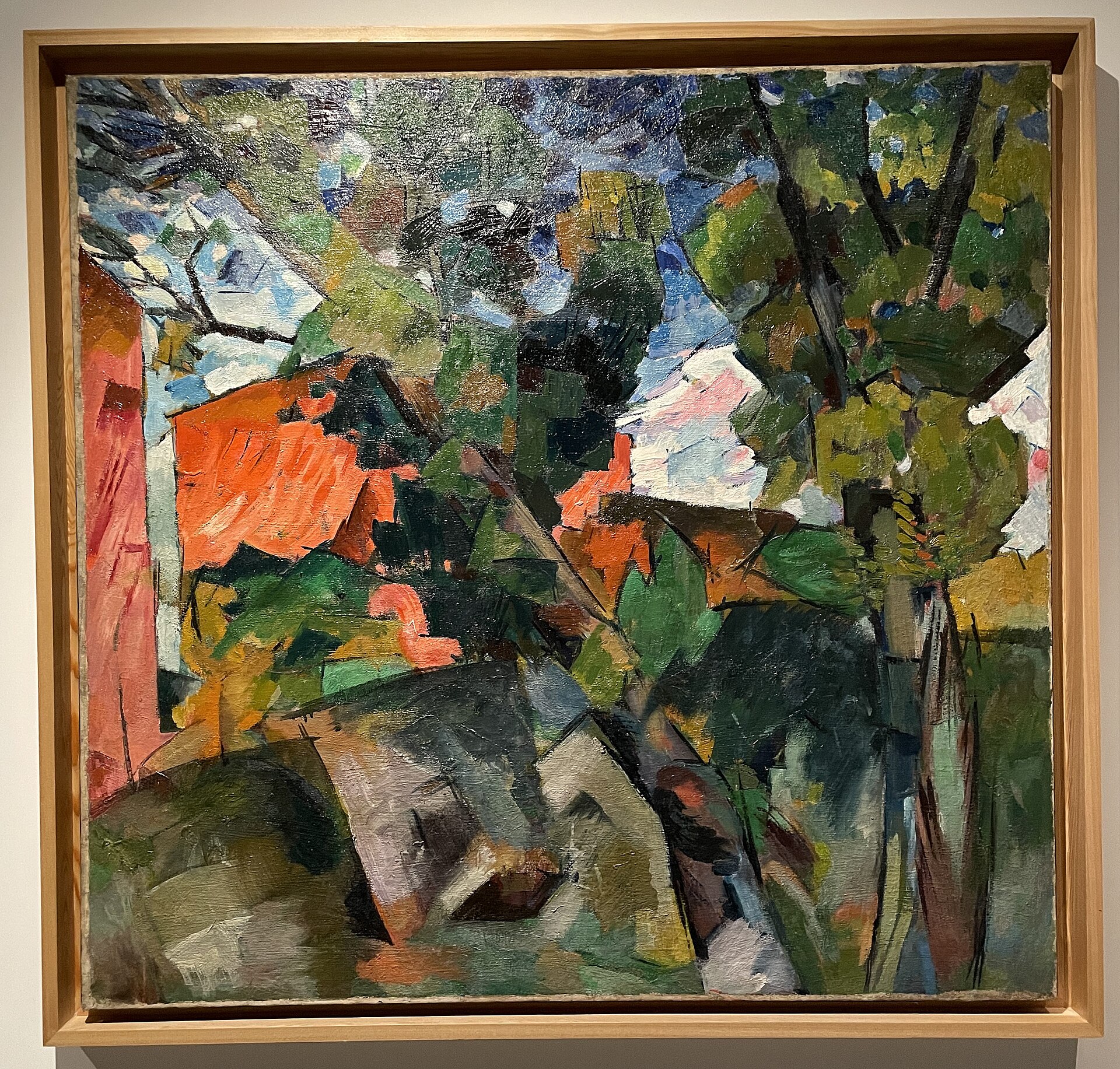
Beyond history and ethnography, the museum also houses a collection of contemporary art, featuring works by local artists. This section is particularly intriguing because it bridges the old and the new, showing how traditional motifs merge with modern techniques. Paintings, sculptures, and graphic works depict the region’s landscapes, daily life, and mythology, some in avant-garde styles, others in more conventional forms. Yet all share a common thread: the desire to preserve and reinterpret Karakalpakstan’s cultural heritage. It’s a testament to the enduring creativity of a people who continue to find new ways to express their identity.
Visiting the museum is less about ticking off exhibits and more about immersing yourself in the rhythm of a place that moves at its own pace. There’s no rush here, no jostling crowds—just the space to linger, to examine details, and to ask questions of the staff, who are often eager to share their knowledge. The halls are airy and well-lit, with exhibits arranged to invite close inspection. Time feels different within these walls, and the experience lingers long after you leave, a quiet understanding of a culture that has endured despite the odds.
The Nukus museum is more than a repository of artifacts; it’s a living record of a people who have maintained their identity through centuries of change. It tells the story of how they lived, worked, created, and survived in a land that hasn’t always been kind. Karakalpakstan may not be a common stop on the tourist trail, but places like this museum reveal just how rich and varied the world truly is. There’s no grandiosity here, no exaggerated claims—just history, told through the objects that once belonged to someone’s everyday life. And in that simplicity lies its power.